How to Care for Common Mallow
Grow tough, easygoing Common Mallow (Malva neglecta) with full sun, lean soil, and almost no fuss once established.
Read the full Common Mallow encyclopedia entry →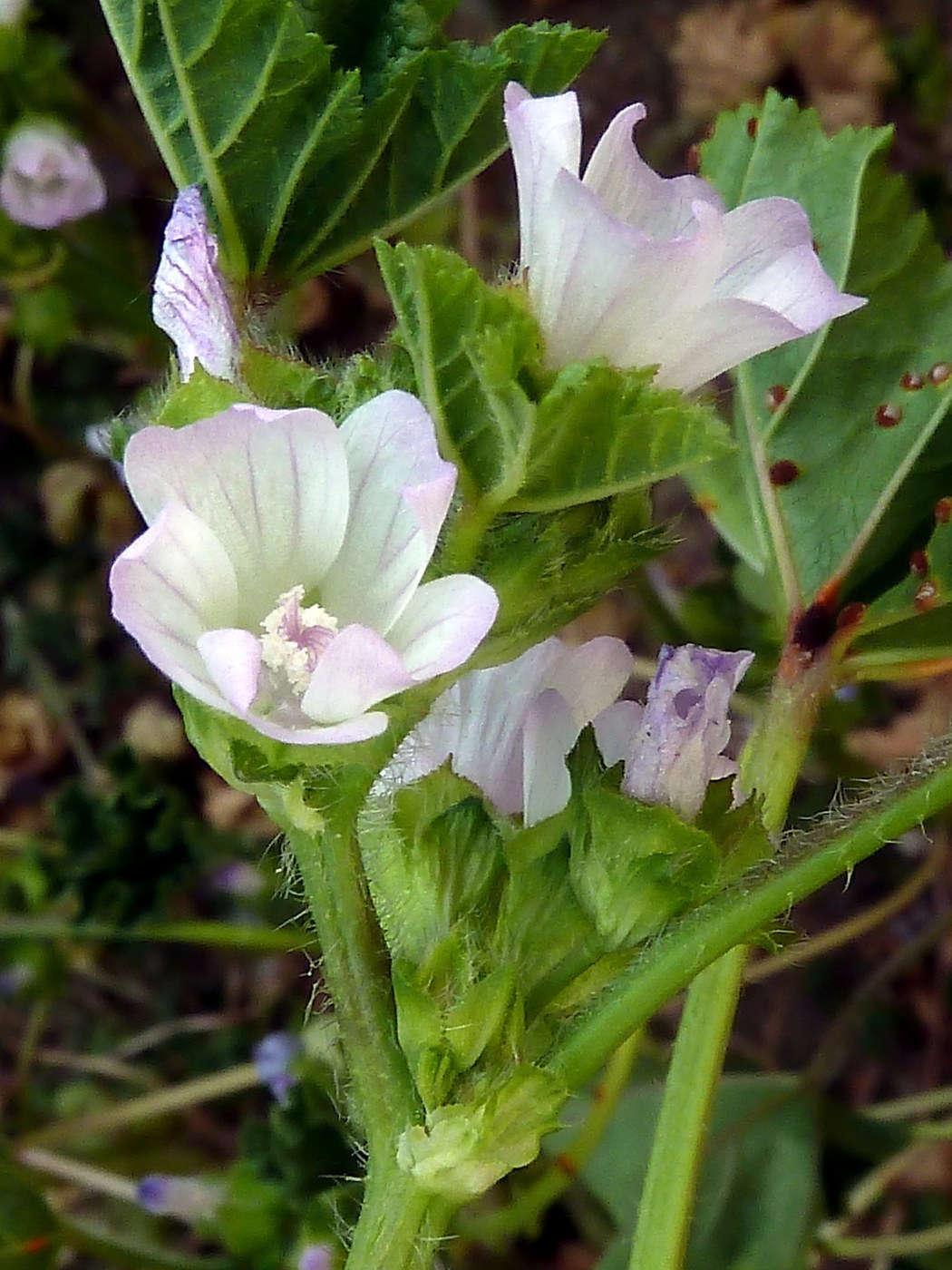
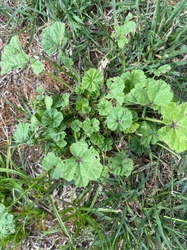
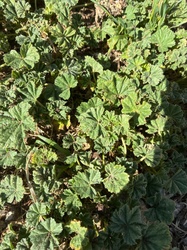
Common Mallow (Malva neglecta) is a resilient, low-sprawling herbaceous plant that thrives in disturbed ground, cottage borders, and wildlife-friendly plots. It asks for very little and rewards you with a long season of soft, cupped pinkish-lilac flowers.
Light
Give Common Mallow full sun for the most compact growth and the heaviest bloom. It tolerates part shade well, though plants tend to stretch and flower a little less freely with fewer than six hours of direct light. In hot inland gardens a touch of afternoon shade keeps foliage looking fresh.
Water
This is a genuinely drought-tolerant plant. A deep taproot lets established clumps ride out dry spells with no supplemental water in most climates. Water new seedlings until they root in, then let the soil dry between drinks. Overwatering in heavy soil is the main way to weaken it, so err on the dry side.
Soil & Potting
Common Mallow is famously unfussy about soil and grows in poor, stony, sandy, or clay ground alike. Good drainage matters more than fertility; it actually stays sturdier and less floppy in lean soil. If growing in a container, use a gritty, free-draining mix and a pot with generous drainage holes.
Humidity & Temperature
It is indifferent to humidity and handles heat with ease. Plants are cold-hardy as biennials or short-lived perennials in temperate zones, often behaving as self-seeding annuals in colder areas. No frost protection is usually needed.
Feeding
Feeding is rarely necessary and can make growth lax and sprawling. In very poor soil, a single light application of balanced fertilizer in spring is plenty. Skip feeding container plants beyond a weak occasional feed.
Propagation
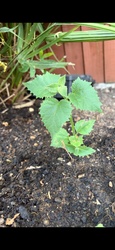
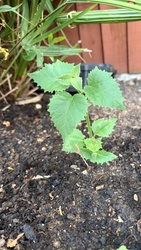
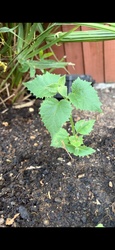
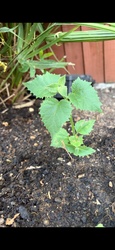
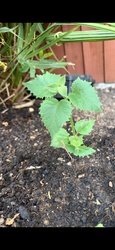
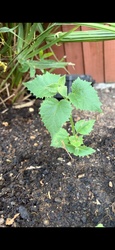
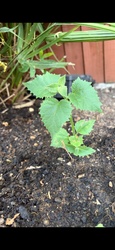
Mallow grows readily from seed. Sow directly where plants are to grow in spring or fall, barely covering the seed; germination is reliable in warm soil. It self-sows freely, so expect volunteer seedlings you can thin or transplant while young before the taproot deepens.
Repotting / Pruning
Because of its deep taproot, mallow resents transplanting once mature, so move it only as a small seedling. Shear plants back by a third after the first flush to tidy the sprawl and encourage a fresh round of blooms. Removing spent seed heads limits self-sowing if you want to keep it in check.
Common Problems & Pests
Rust is the most common issue, showing as orange pustules on leaf undersides in humid, crowded conditions; improve airflow, avoid overhead watering, and remove affected leaves. Watch for aphids on soft new growth and hose them off or tolerate them as bird and beneficial-insect food. Root rot appears only in soggy soil.
Seasonal Care Tips
Sow in spring or fall for the strongest plants. Enjoy the long summer bloom with little intervention, shearing mid-season to refresh. In fall, leave a few seed heads if you want self-sown replacements, or cut plants back and clear debris to reduce overwintering rust spores.
Frequently asked questions
Does Common Mallow need watering once established?
Rarely. Its deep taproot makes it drought-tolerant, so water only new plants and during extended dry spells; established clumps usually need none.
Why is my mallow flopping over?
Rich soil, over-feeding, or too much shade cause lax, sprawling stems. Grow it in lean soil and full sun, and shear it back by a third to firm up growth.
Can I grow Common Mallow in a pot?
Yes, in a deep container with gritty, free-draining mix. Give it a large pot to accommodate the taproot and let the soil dry between waterings.
How do I control its self-seeding?
Remove spent flower heads before they set seed. If it has already spread, pull volunteer seedlings while young and before their taproot deepens.
Common Mallow identified by the community
Recent Common Mallow specimens identified with Plant Identifier.