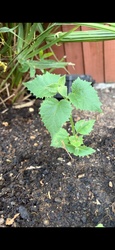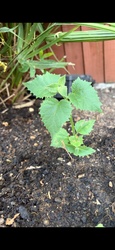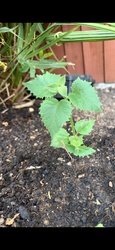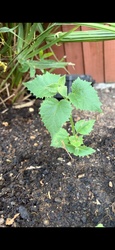
Common Mallow
Malva neglecta
A sprawling annual or biennial with rounded, scalloped leaves, small pinkish-white flowers, and flat round seed pods that resemble tiny wheels of cheese. It is a common garden and lawn weed.
- Light
- Full sun to part shade
- Water
- Drought-tolerant
- Difficulty
- Easy
Got a plant like this?
Identify any plant from a photo, free.
Overview
Common mallow (Malva neglecta) is a low, spreading annual to short-lived perennial in the mallow family. It is often nicknamed cheeseweed because its flat, round seed capsules look like miniature wheels of cheese.
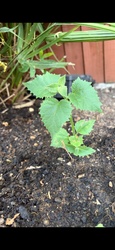
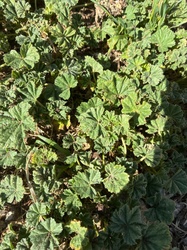
It grows from a deep taproot into a sprawling mound of long-stalked, rounded leaves and produces small, five-petaled pinkish-white flowers in the leaf axils. It is a frequent weed of gardens, lawns and waste ground.
How to identify it
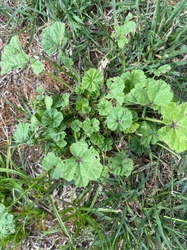
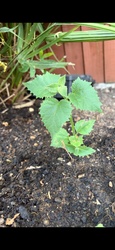
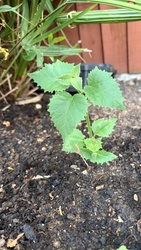
Recognize common mallow by its round, scalloped leaves and disc-shaped seed pods.
- Low, spreading habit from a deep taproot
- Rounded to kidney-shaped leaves with shallow lobes and toothed (scalloped) edges, on long stalks
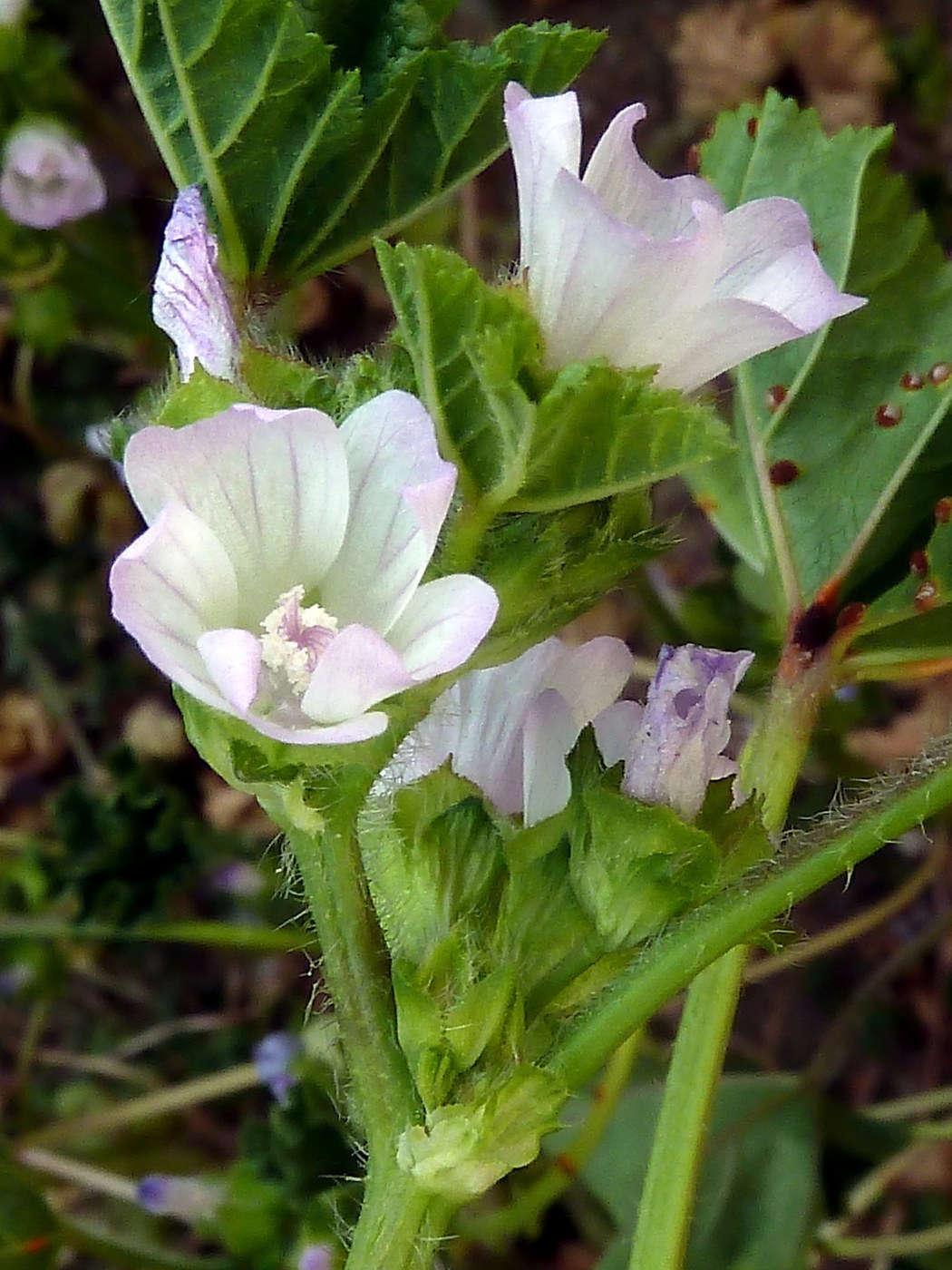
- Small, pale pink to whitish flowers with five notched petals, often with darker veins
- Flat, round, segmented seed capsules resembling tiny cheese wheels
- Slightly hairy stems and leaves
Care & growing
Common mallow is a weed; the following supports control and identification.
- Light: Full sun to partial shade
- Water: Drought-tolerant once its deep taproot is established
- Soil: Tolerates poor, compacted and disturbed soils
- Temperature: Adaptable; grows through much of the season
- Propagation: By seed, which can remain viable in soil for years
- Control: Pull or dig young plants to remove the taproot before they seed; mature plants are harder to extract. Mulch and dense planting suppress seedlings
Habitat & origin
Native to Europe, North Africa and Asia, common mallow has naturalized throughout North America and much of the world.
It grows in gardens, lawns, agricultural fields, roadsides, vacant lots and waste ground, favoring disturbed, fertile soils but tolerating poor and compacted conditions in sun or light shade.
Frequently asked questions
Why is common mallow called cheeseweed?
Its flat, round, segmented seed pods look like tiny wheels of cheese, which gives the plant nicknames like cheeseweed and cheeses.
How can I recognize common mallow?
Look for a low, sprawling plant with long-stalked, rounded to kidney-shaped leaves that have scalloped edges, small pale pink to whitish five-petaled flowers in the leaf axils, and flat, segmented disc-shaped seed pods.
How do I get rid of common mallow?
Pull or dig out young plants to remove the deep taproot before they set seed, since mature plants are tough to extract and seeds persist in soil. Mulch and a dense lawn help prevent new seedlings.
Where does common mallow grow?
It thrives on disturbed, fertile ground such as gardens, lawns, field margins, roadsides and waste lots, but tolerates poor and compacted soils in sun or light shade.
Common Mallow guides
In-depth guides for identifying, growing, and caring for Common Mallow.
How to Care for Common Mallow
Grow tough, easygoing Common Mallow (Malva neglecta) with full sun, lean soil, and almost no fuss once established.
Common Mallow Identification Guide
Identify common mallow by its rounded, shallowly lobed leaves on long stalks, small pinkish-white five-petaled flowers, and flat disc-shaped 'cheese' fruits.
Common Mallow identified by the community
Real specimens identified with Plant Identifier.