How to Care for Compass Plant
Compass Plant (Silphium laciniatum) is a towering prairie native with deep roots, huge lobed leaves, and bright yellow sunflower-like blooms.
Read the full Compass Plant encyclopedia entry →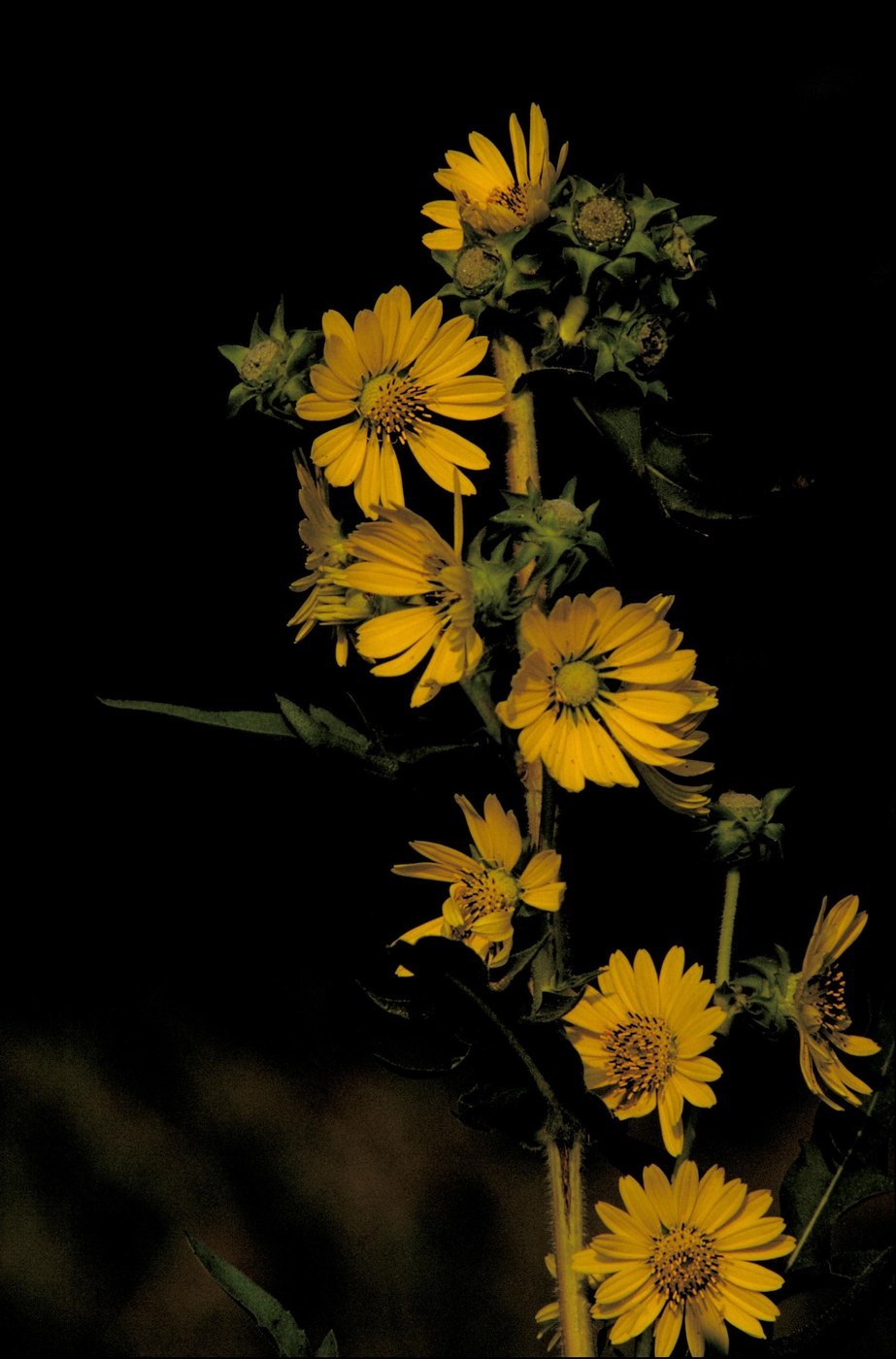
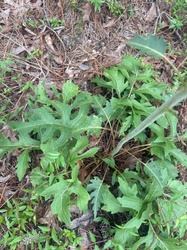
Compass Plant (Silphium laciniatum) is a dramatic, long-lived prairie perennial that can tower to great heights, topped by bright yellow, sunflower-like flowers. Its large, deeply lobed basal leaves often orient their edges north-south—giving the plant its name—and its immense taproot makes it exceptionally durable once established.
Light
Compass Plant demands full sun. It is a plant of open prairies and needs at least six to eight hours of direct light to grow sturdy and flower well. In too much shade it grows weak, floppy, and blooms poorly, so give it the most open, sunniest position available.
Water
Water regularly during the first season while the deep taproot develops. After establishment the plant is strongly drought-tolerant, drawing moisture from far below the surface, and needs low to moderate watering thereafter. It performs best in soil that is neither constantly wet nor bone-dry, but mature plants readily survive extended dry periods.
Soil & Potting
Give it deep, well-drained soil so the taproot can plunge unobstructed; it tolerates clay, loam, and rocky ground and adapts to lean, average fertility. Because the taproot grows very deep and resents disturbance, choose the planting site carefully—this is a plant to establish and leave in place. Container culture is difficult long-term due to root depth.
Humidity & Temperature
A hardy native of continental climates, Compass Plant tolerates hot summers, cold winters, wind, and humidity without special care. It is fully cold-hardy across a wide range and needs no humidity management; its prairie origins make it very tough.
Feeding
Compass Plant needs little to no supplemental feeding and thrives in average to lean soil. Rich, heavily fertilized ground can produce excessively tall, floppy growth. Skip fertilizer in favor of good siting; a light topdressing of compost is more than enough if desired.
Propagation
Propagate primarily from seed. The seed benefits from a period of cold, moist stratification to break dormancy, mimicking winter—sow outdoors in fall or cold-stratify before spring sowing. Seedlings put most early energy into the taproot and can take several years to reach flowering size, so patience is essential. Mature plants dislike division because of the taproot, so avoid transplanting established specimens.
Repotting / Pruning
Because of the deep taproot, established Compass Plants should not be moved or divided; site them permanently from the start. Little pruning is needed. Tall stems may be staked in exposed, windy sites, and spent flower stalks can be cut back after bloom, though leaving seedheads provides winter interest and self-sowing. Cut old stems to the ground in late winter before new growth emerges.
Common Problems & Pests
Compass Plant is robust and largely pest-free once established. Young seedlings are vulnerable to competition and browsing and need protection while small. In overly rich soil or shade, tall stems may flop and require staking. Occasional leaf-chewing insects or fungal leaf spots may appear but rarely cause serious harm. The main challenge is patience—the slow, root-first establishment period.
Seasonal Care Tips
Sow seed in autumn for natural stratification, or cold-stratify for spring planting. Keep first-year plants weeded and watered while roots establish. Expect little top growth early as energy goes underground; flowering follows in later years. Enjoy tall summer bloom, leave seedheads for winter structure and self-seeding, and cut old stalks down in late winter before spring regrowth.
Frequently asked questions
Why won't my Compass Plant flower?
Compass Plant invests years of early growth into its enormous taproot before blooming, so young plants may take several seasons to flower. Ensure it has full sun and patience; insufficient light is the other common reason for weak, non-flowering growth.
Can I grow Compass Plant in a container?
It is very difficult long-term because the taproot grows extremely deep and resents confinement and disturbance. It is far better to plant it directly in a permanent, sunny, deep-soil spot where it can develop naturally and be left undisturbed.
How do I start Compass Plant from seed?
Give the seed cold, moist stratification to break dormancy—sow outdoors in fall or refrigerate moist seed before spring sowing. Seedlings focus on root development first, so growth appears slow above ground for the first year or two.
Do I need to fertilize Compass Plant?
No. It thrives in average to lean prairie soil and rarely needs feeding. Rich, fertilized ground tends to produce overly tall, floppy stems, so focus on a sunny site with deep, well-drained soil instead of fertilizer.
Compass Plant identified by the community
Recent Compass Plant specimens identified with Plant Identifier.