Compass Plant
Silphium laciniatum
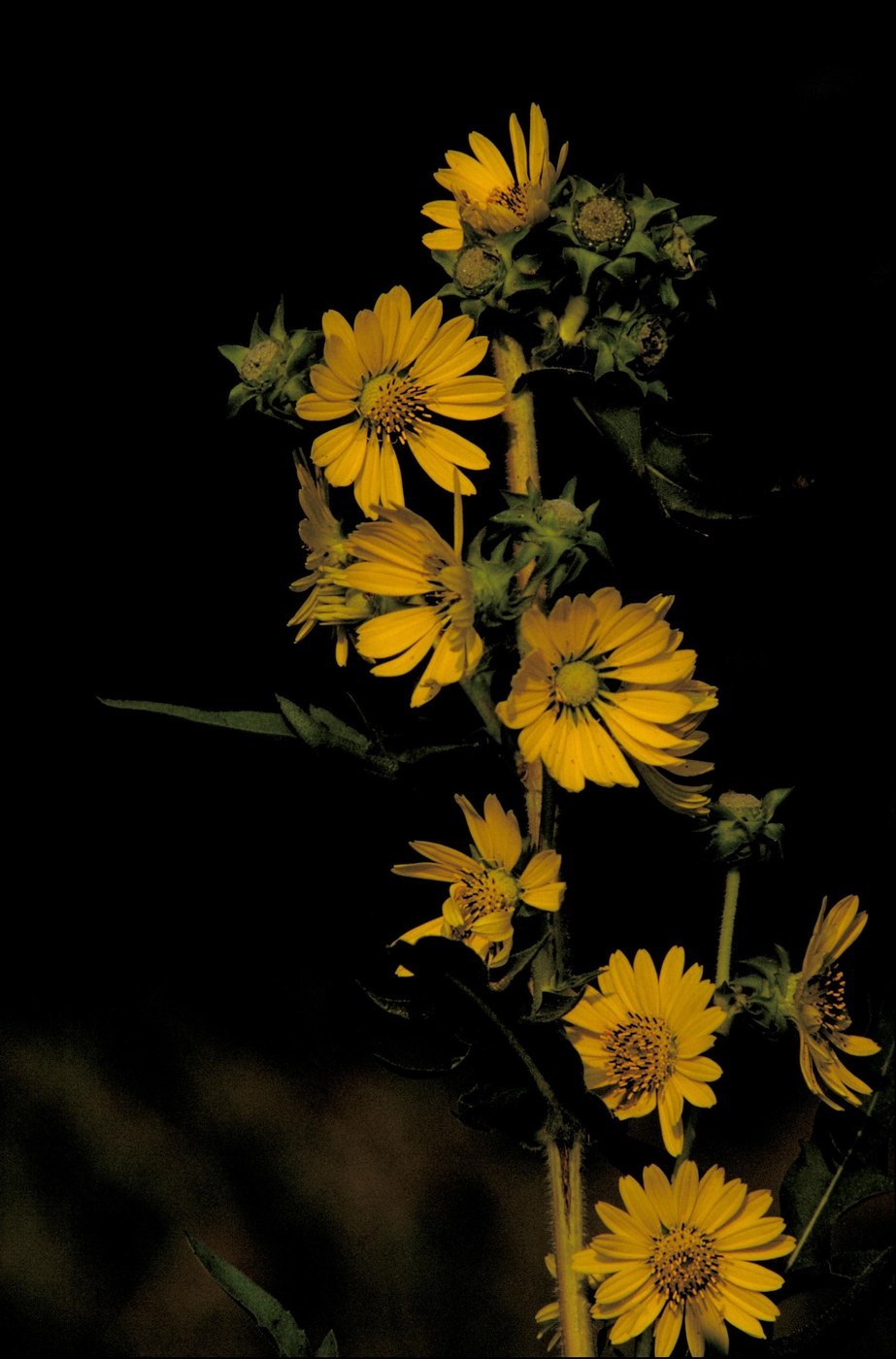
A towering prairie perennial with large yellow sunflower-like blooms and deeply cut leaves that align north-south to avoid the midday sun, giving it its navigational name.
- Light
- Full sun
- Water
- Low to moderate; drought tolerant
- Difficulty
- Moderate
Got a plant like this?
Identify any plant from a photo, free.
Overview
Compass plant is a stately giant of the North American tallgrass prairie, reaching well over head height when in bloom. It earns its name from its large basal leaves, which orient their edges north and south to reduce exposure to intense midday sun, so that the broad faces catch the gentler morning and evening light.
Its deep, sturdy taproot can extend many feet underground, anchoring the plant and helping it survive drought and prairie fires. The bright yellow, sunflower-like flowers bloom atop tall, resinous stems in summer and are an important resource for prairie wildlife.
How to identify it
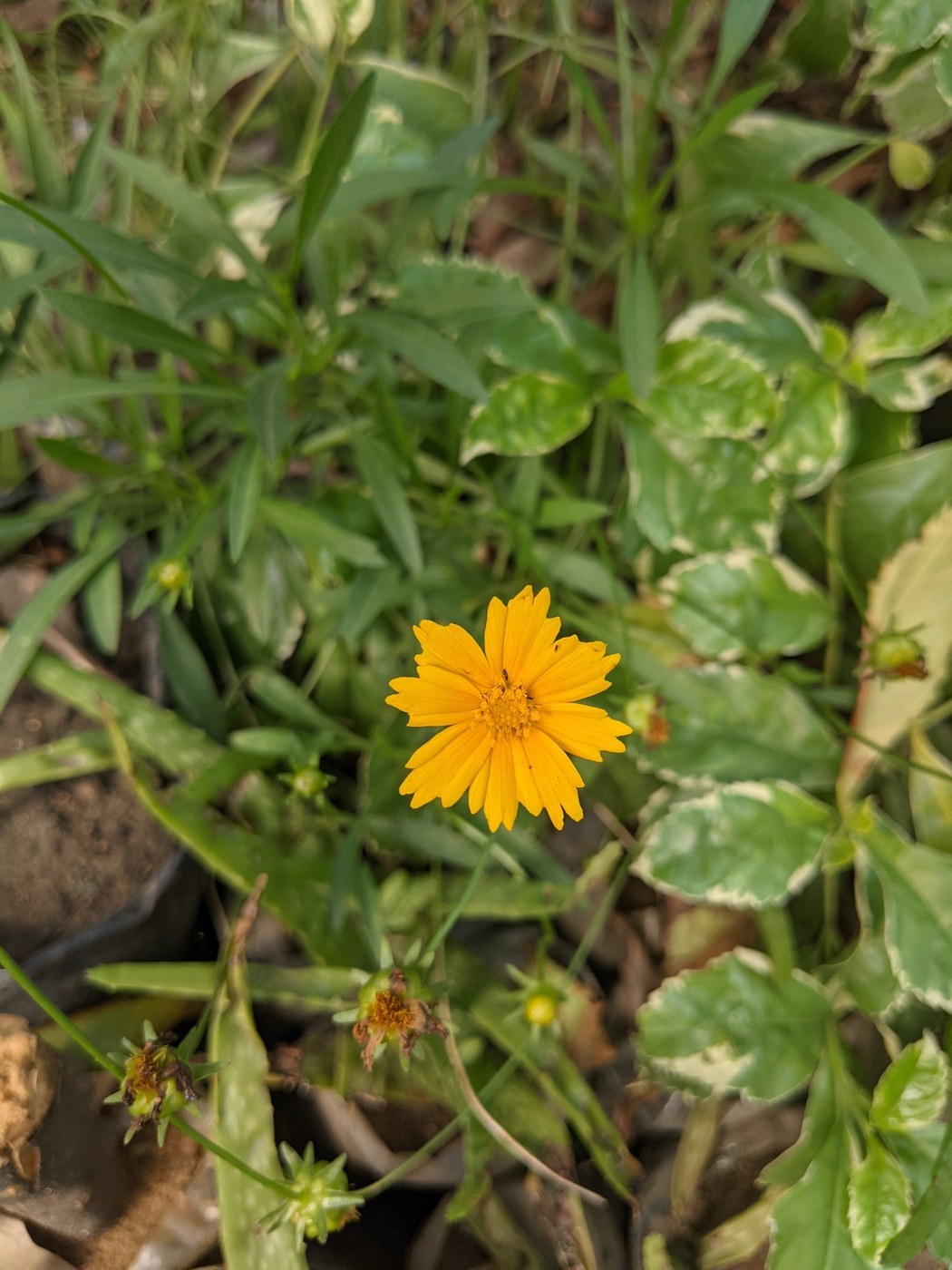
- Flowers: Large, yellow, sunflower-like heads 3-5 inches across, borne along the upper stem
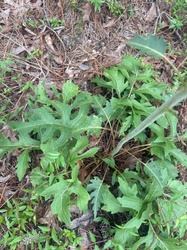
- Leaves: Very large, deeply pinnately lobed, rough, mostly basal; oriented vertically on a north-south axis
- Stems: Stout, rough, resinous, often 5-9 feet tall
- Roots: Massive taproot reaching deep into the soil
- Bloom time: Mid to late summer
Care & growing
Compass plant is long-lived but slow to establish.
- Light: Full sun
- Water: Low to moderate; deeply rooted and very drought tolerant once mature
- Soil: Deep, well-drained soil; tolerates clay; needs room for its long taproot
- Temperature: Hardy in USDA zones 3-9
- Feeding: None needed
- Propagation: From seed (cold stratify); develops slowly over several years and resents transplanting due to its taproot
Habitat & origin
Silphium laciniatum is native to the tallgrass prairies of central North America, from the Great Plains to the Midwest and parts of the southern United States.
It grows in prairies, open meadows, savannas, and along roadsides and railways where remnant prairie persists. As a deep-rooted perennial, it is characteristic of healthy, long-established prairie ecosystems.
Frequently asked questions
How does the compass plant tell direction?
Its large basal leaves orient their flat surfaces toward the east and west, aligning their edges roughly north-south to minimize moisture loss during the hottest midday sun, so the leaves point along a north-south line.
How tall does compass plant get?
In bloom it commonly reaches 5 to 9 feet tall, making it one of the tallest plants of the tallgrass prairie.
Why is it slow to establish?
It invests heavily in a deep taproot during its first years, so above-ground growth and flowering can take several seasons to develop.
Is compass plant good for wildlife?
Yes, its flowers support bees and butterflies, finches and other birds eat the seeds, and its deep roots improve soil and sequester carbon.
Compass Plant guides
In-depth guides for identifying, growing, and caring for Compass Plant.
How to Care for Compass Plant
Compass Plant (Silphium laciniatum) is a towering prairie native with deep roots, huge lobed leaves, and bright yellow sunflower-like blooms.
Compass Plant Identification Guide
Identify the towering Compass Plant by its huge deeply lobed basal leaves that align north-south, its resinous stem, and its sunflower-like yellow heads atop a tall prairie stalk.
Compass Plant identified by the community
Real specimens identified with Plant Identifier.