How to Care for Coneflower
Grow tough, drought-tolerant Echinacea purpurea in full sun with lean, well-drained soil for months of daisy-like blooms and pollinators.
Read the full Coneflower encyclopedia entry →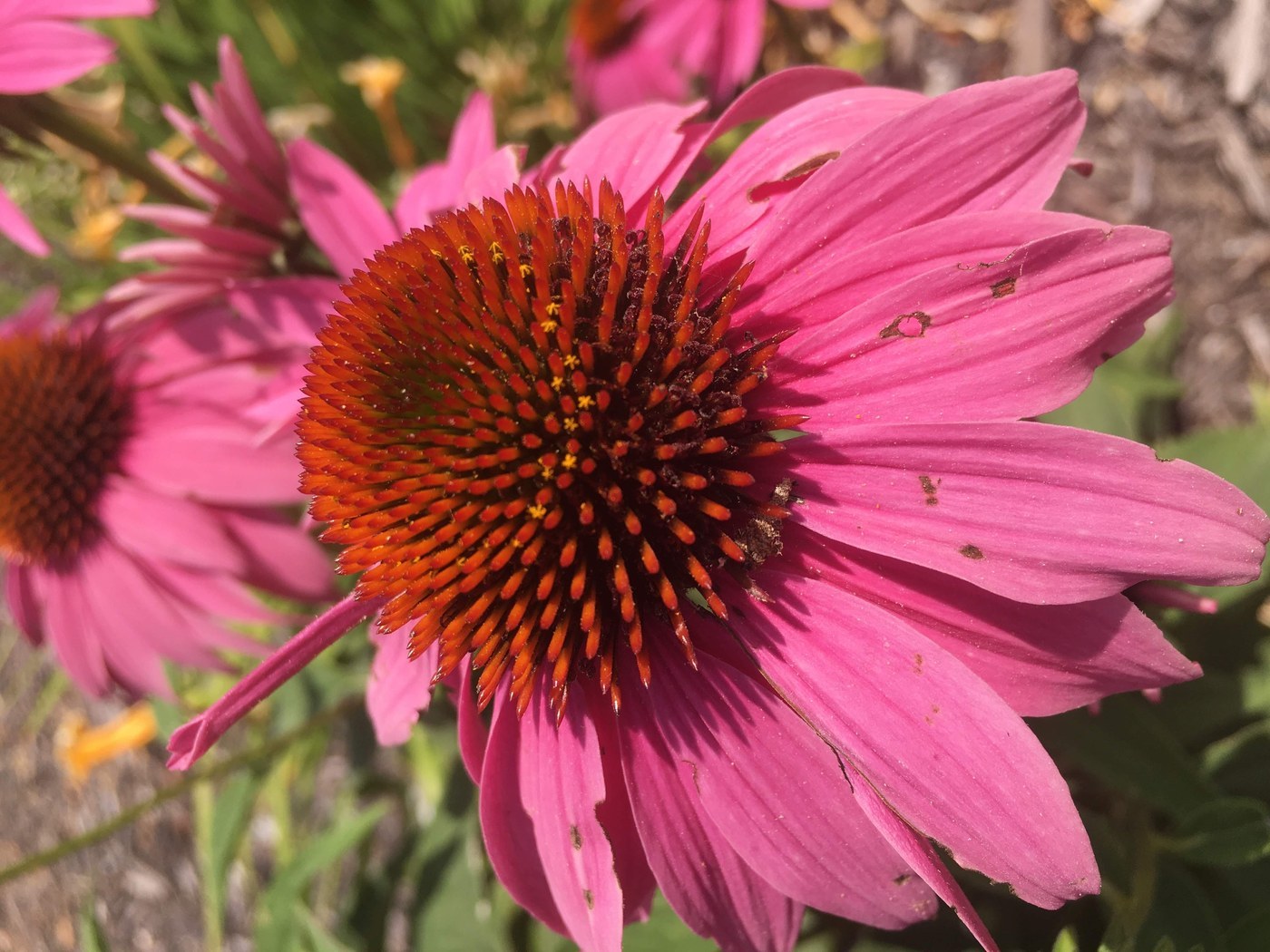
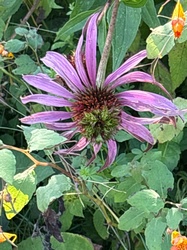
Echinacea purpurea, the purple coneflower, is a rugged, long-blooming perennial with bold daisy-like flowers and a prominent central cone. It is an easy, low-maintenance choice for sunny borders and pollinator gardens.
Light
Coneflower needs full sun, ideally six or more hours of direct light daily. Ample sun produces sturdy, upright stems and the most prolific flowering. In too much shade, plants stretch, flop, and bloom sparsely, so choose your brightest open spot.
Water
Water about weekly while young plants establish. Once established, coneflower is notably drought-tolerant and prefers to dry out between waterings. Avoid overwatering, which can cause rot; these prairie natives thrive on lean, well-drained conditions rather than constant moisture.
Soil & Potting
Coneflower tolerates a wide range of soils but performs best in well-drained, average to slightly lean soil with neutral pH. It dislikes rich, soggy ground. Heavy clay should be amended with grit or compost to improve drainage. In containers, use a free-draining mix and a deep pot to accommodate the taproot.
Humidity & Temperature
As a hardy prairie perennial, Echinacea handles heat, wind, and cold winters well. It tolerates a broad range of outdoor humidity and needs no special humidity care. Good airflow around the plants reduces foliar disease in muggy climates.
Feeding
Feed minimally. Coneflowers bloom best in lean soil, so a single light application of balanced fertilizer or a spring top-dressing of compost is plenty. Excess fertilizer, especially nitrogen, promotes floppy foliage and fewer flowers, so avoid rich feeding.
Propagation
Propagate by division of mature clumps in spring or fall every few years to keep them vigorous. Seed is easy and often self-sows; sowing fresh seed with a cold-moist period improves germination. Root cuttings can also be taken from dormant plants.
Repotting / Pruning
Deadhead spent blooms to encourage more flowers, or leave the seed heads standing for winter structure and to feed birds. Cut the plant back in late fall or early spring. Divide congested clumps every three to four years to rejuvenate flowering and manage spread.
Common Problems & Pests
Aphids and Japanese beetles can visit the blooms, and powdery mildew or leaf spot may appear in crowded, humid conditions. Aster yellows, a disease that causes deformed green flowers, warrants removing affected plants. Ensure good spacing and drainage to keep plants healthy.
Seasonal Care Tips
In spring, cut back old growth and divide if needed; in summer, deadhead for continued bloom and water only during prolonged drought. In fall, leave some seed heads for winter interest and wildlife. Minimal winter care is required for these tough, cold-hardy perennials.
Frequently asked questions
How much sun do coneflowers need?
They need full sun, at least six hours of direct light daily, for sturdy stems and abundant flowers. In shade they grow leggy and bloom poorly.
How often should I water coneflowers?
Water weekly while establishing, then only during extended dry spells. Established coneflowers are drought-tolerant and dislike constantly wet soil.
Should I deadhead my coneflowers?
Deadheading encourages more blooms through the season. Toward fall you can leave seed heads standing for winter structure and to feed birds.
How do I keep coneflowers blooming for years?
Plant in full sun and lean, well-drained soil, avoid overfeeding, and divide congested clumps every three to four years to restore vigor.
Coneflower identified by the community
Recent Coneflower specimens identified with Plant Identifier.