
How to Care for Coral Bark Maple
Coral Bark Maple dazzles with coral-red winter stems: give it dappled sun, steady moisture, rich draining soil and minimal winter pruning.
Read the full Coral Bark Maple encyclopedia entry →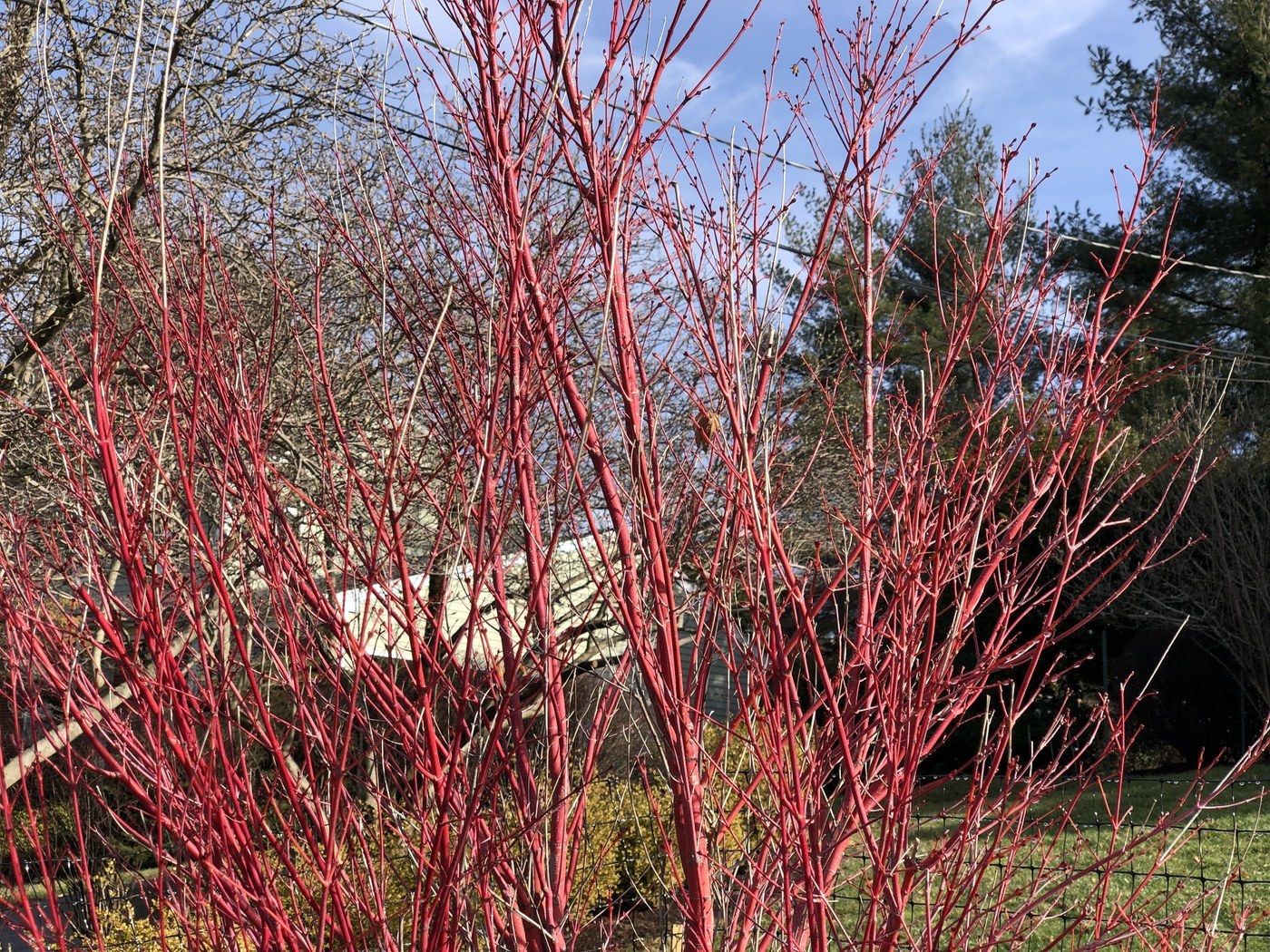
The Coral Bark Maple, Acer palmatum 'Sango-kaku', is a graceful Japanese maple famed for its glowing coral-red young bark that lights up the winter garden, plus soft green spring leaves that turn golden in autumn. It is a moderate-difficulty ornamental tree that rewards a sheltered site and consistent moisture.
Light
Grow Coral Bark Maple in part shade to full sun. In cooler climates it takes full sun well, which intensifies the bark color, but in hot regions it appreciates afternoon shade to prevent leaf scorch. The ideal is bright morning sun with protection from harsh midday and late-afternoon heat. Dappled light beneath high canopy suits it beautifully. Enough light is needed to develop the vivid winter stem color, so avoid deep shade.
Water
Water weekly to maintain consistent moisture in well-drained soil. Japanese maples have relatively fine, shallow roots that dislike both drought and waterlogging. During the first few years and in dry spells, water deeply and regularly so the root zone stays evenly moist but never saturated. A generous mulch layer over the roots (kept back from the trunk) conserves moisture, moderates soil temperature and is one of the best things you can do for this tree. Established trees are more drought-aware but still resent prolonged dryness, which causes leaf scorch.
Soil & Potting
Plant in rich, well-drained soil high in organic matter, with a slightly acidic pH. Good drainage is essential — these maples decline in heavy, soggy ground. Amend clay with compost and consider planting slightly high to shed excess water. In containers, use a quality mix amended for drainage and repot periodically. Avoid deep planting; set the tree at or slightly above the original soil line.
Humidity & Temperature
Coral Bark Maple is a temperate tree, hardy roughly in USDA zones 5 to 8. It prefers moderate conditions and a spot sheltered from strong, drying winds and harsh late-afternoon sun, both of which scorch the delicate foliage. The coral bark color is most vivid in cold weather, making winter its showpiece season. Protect young trees from severe cold and container specimens from freezing rootballs.
Feeding
Feed sparingly. A light application of a balanced, slow-release fertilizer in early spring is plenty; a top-dressing of compost is often all an established tree needs. Avoid heavy, high-nitrogen feeding, which forces rapid, weak growth prone to scorch and dulls the refined form. Do not fertilize late in the season, as tender new growth may not harden before winter.
Propagation
The cultivar 'Sango-kaku' is propagated by grafting onto Acer palmatum seedling rootstock to keep its coral bark and habit true. Softwood or semi-hardwood cuttings can be attempted but root with difficulty. Seed-grown maples will not come true to this cultivar. For gardeners, buying a grafted young tree is the practical route.
Repotting / Pruning
Prune minimally and only when needed, ideally in winter or late autumn during dormancy to reduce sap bleeding and preserve the coral stems for display. Remove dead, crossing or crowded branches to open the canopy and enhance the elegant structure. Because the newest young stems show the brightest color, selective thinning that encourages fresh growth keeps the winter display vivid. Repot container specimens every couple of years in early spring, refreshing the mix and root-pruning lightly if needed.
Common Problems & Pests
Leaf scorch — browning, crisping margins — is the most common issue, caused by drought, hot sun or drying wind; consistent moisture, mulch and a sheltered site prevent it. Aphids and scale can appear on the foliage and stems. More serious are verticillium wilt and root rot, both favored by poorly drained soil, so drainage is your best defense. Keep the tree vigorous and avoid trunk wounds to limit disease entry.
Seasonal Care Tips
In spring, enjoy the fresh green flush, feed lightly and mulch. Through summer, keep moisture steady and shield from scorching heat and wind. In autumn, appreciate the golden color and do structural pruning as the tree enters dormancy. In winter, the coral bark takes center stage — protect roots of young or container trees from hard freezes and avoid heavy pruning that removes the colorful young stems.
Frequently asked questions
Why are the leaves on my Coral Bark Maple turning brown and crispy?
Crispy brown leaf margins are leaf scorch, caused by drought, intense sun or drying wind. Keep the soil consistently moist, mulch over the root zone, and site the tree with protection from harsh midday and afternoon heat and strong wind.
When should I prune a Coral Bark Maple?
Prune during dormancy in late autumn or winter to minimize sap bleeding. Remove dead, crossing or crowded branches to open the canopy. Avoid heavy pruning of the young stems, since they carry the brightest coral color for the winter display.
How do I get the brightest coral bark color?
The color is most vivid on the youngest stems and intensifies in cold winter weather. Give the tree enough light (not deep shade), keep it healthy with steady moisture, and thin selectively to encourage fresh new growth that shows the strongest color.
Can I grow a Coral Bark Maple in a container?
Yes. Use a well-draining mix in a pot with drainage holes, keep moisture consistent, and site it in part shade to gentle sun. Repot every couple of years in early spring and protect the rootball from freezing in cold winters.