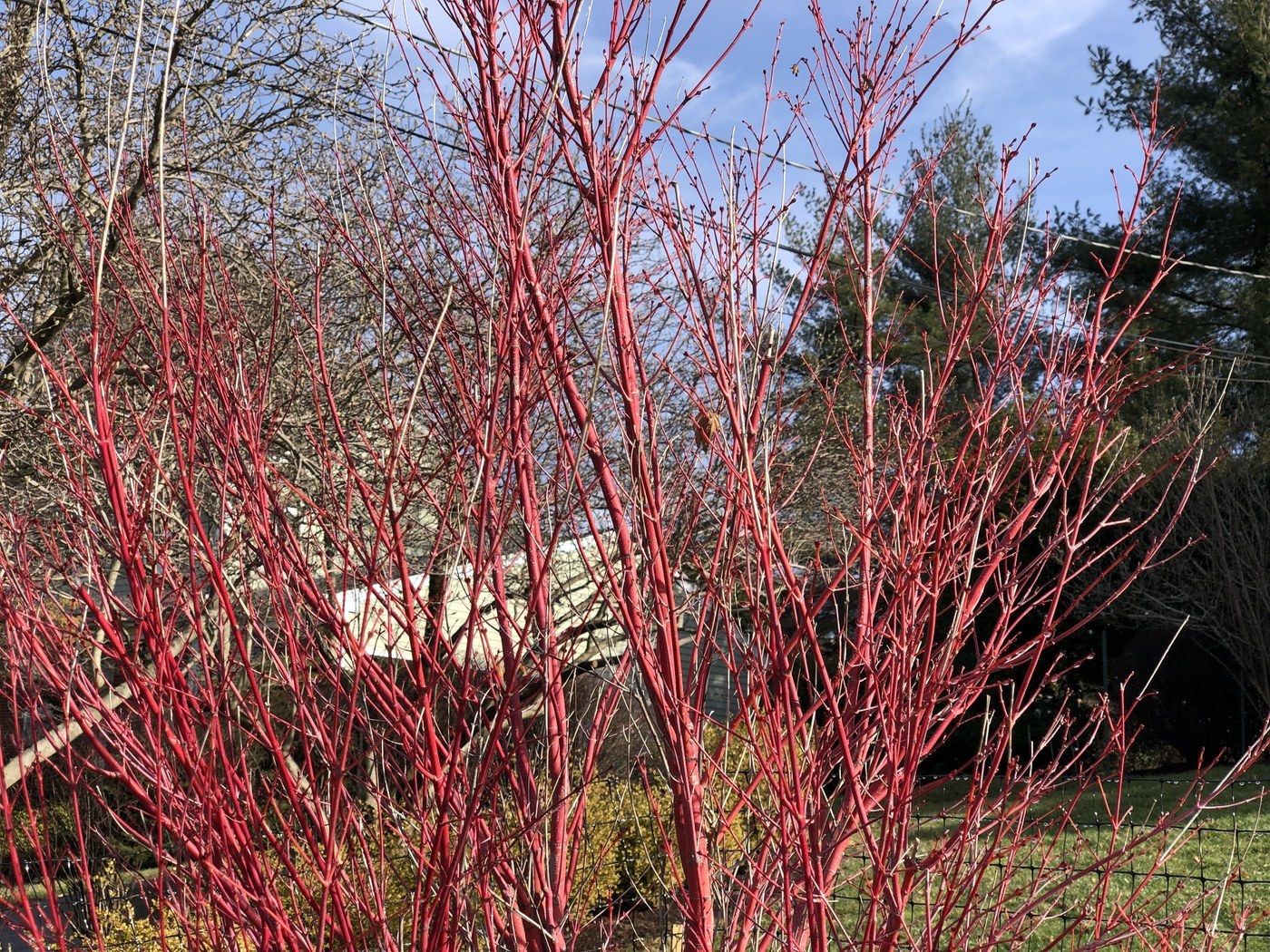
Coral Bark Maple
Acer palmatum 'Sango-kaku'
Coral bark maple is a Japanese maple cultivar famous for its glowing coral-red young stems that brighten the winter landscape. Its spring leaves emerge soft green and turn golden-yellow in fall.
- Light
- Part shade to full sun
- Water
- Weekly; consistent moisture, well-drained
- Difficulty
- Moderate
Got a plant like this?
Identify any plant from a photo, free.
Overview
Coral bark maple (Acer palmatum 'Sango-kaku', meaning 'coral tower') is a deciduous Japanese maple cultivar grown above all for its vivid coral-pink to red bark on young twigs, which intensifies in cold weather and lights up the winter garden. It is a true four-season tree.
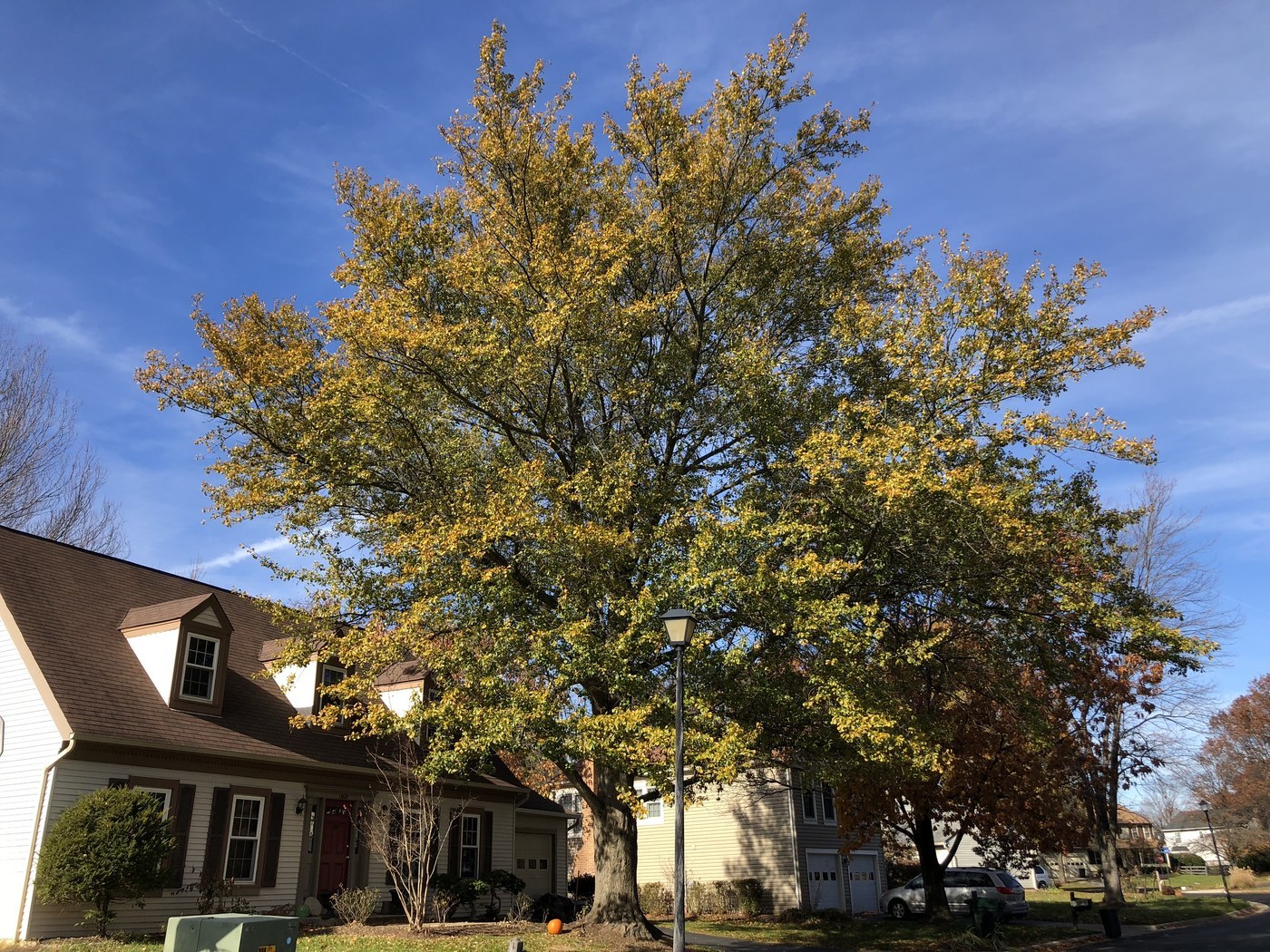
In spring the foliage emerges yellow-green with reddish edges, matures to light green in summer, and turns golden-yellow to apricot in fall. Upright and vigorous, it reaches about 15-25 ft and is a long-standing favorite for winter interest.
How to identify it
- Habit: Upright, vase-shaped to rounded small tree, 15-25 ft.
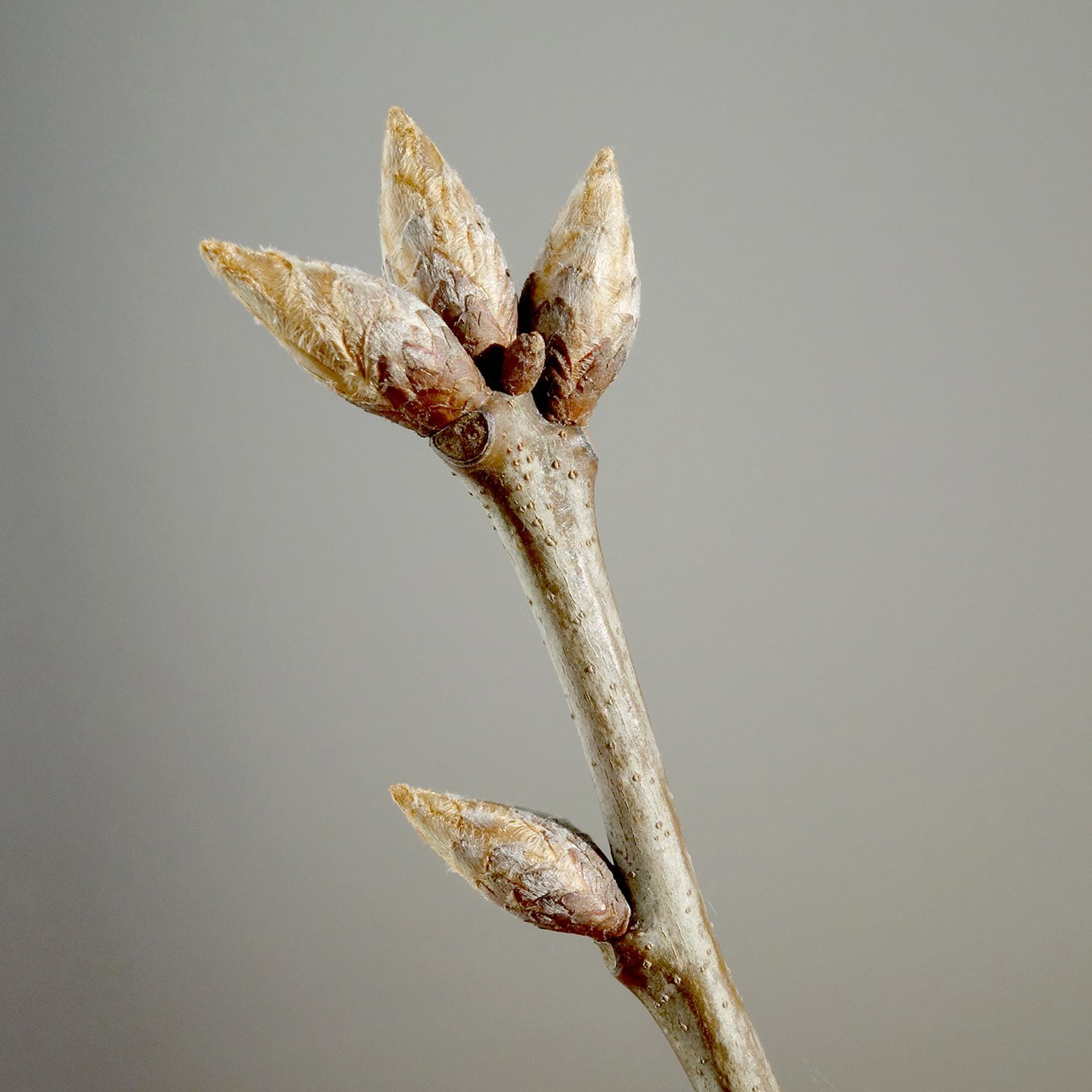
- Bark: Brilliant coral-red to salmon young stems, brightest in winter; older bark fades to brown.
- Leaves: Palmate, 5-7 lobed, yellow-green in spring, light green in summer, golden-yellow to apricot in fall.
- Flowers/Fruit: Small reddish spring flowers followed by winged samaras.
- Best color: Coral bark color is strongest on new growth and in cold temperatures.
Care & growing
Light: Part shade to full sun; some sun enhances bark color, but protect from harsh afternoon sun in hot areas.
Water: Keep consistently moist, about weekly; avoid drought and waterlogging.
Soil: Moist, well-drained, slightly acidic, organic-rich soil.
Temperature: Hardy USDA zones 5-8.
Feeding: Light spring feeding; mulch roots.
Pruning/Propagation: Prune in late winter to remove old gray wood and encourage bright new coral stems. Propagated by grafting.
Habitat & origin
The parent species Acer palmatum is native to woodlands of Japan, Korea and China. 'Sango-kaku' is an old Japanese garden selection prized for centuries for its winter bark.
It is grown as an ornamental across temperate gardens in zones 5-8, ideally sited where its winter stems can be seen against evergreens or snow.
Frequently asked questions
Why is the bark color fading?
Coral color is brightest on young stems and in cold weather; prune out old gray wood each winter to encourage fresh, vivid growth.
Where should I plant it for best effect?
Where the coral winter stems are visible from indoors or against evergreens or snow.
Does it need full sun?
Some sun deepens bark and fall color, but in hot climates give afternoon shade to avoid leaf scorch.
Coral Bark Maple guides
In-depth guides for identifying, growing, and caring for Coral Bark Maple.
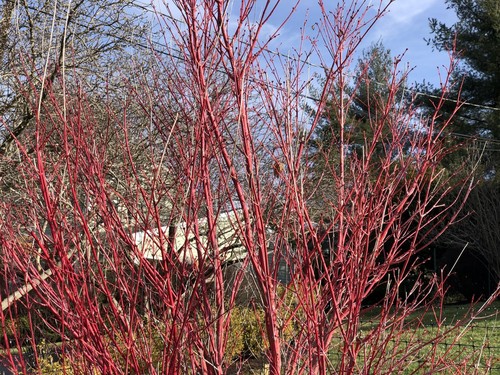
How to Care for Coral Bark Maple
Coral Bark Maple dazzles with coral-red winter stems: give it dappled sun, steady moisture, rich draining soil and minimal winter pruning.
Coral Bark Maple Identification Guide
Identify the coral bark maple (Acer palmatum 'Sango-kaku') by its glowing coral-red winter twigs, light green palmate leaves edged in red, and golden-yellow fall color.