
How to Care for Coral Bells
Grow Coral Bells (Heuchera sanguinea), an easy shade perennial with colorful mounded foliage and airy wands of tiny bell flowers.
Read the full Coral Bells encyclopedia entry →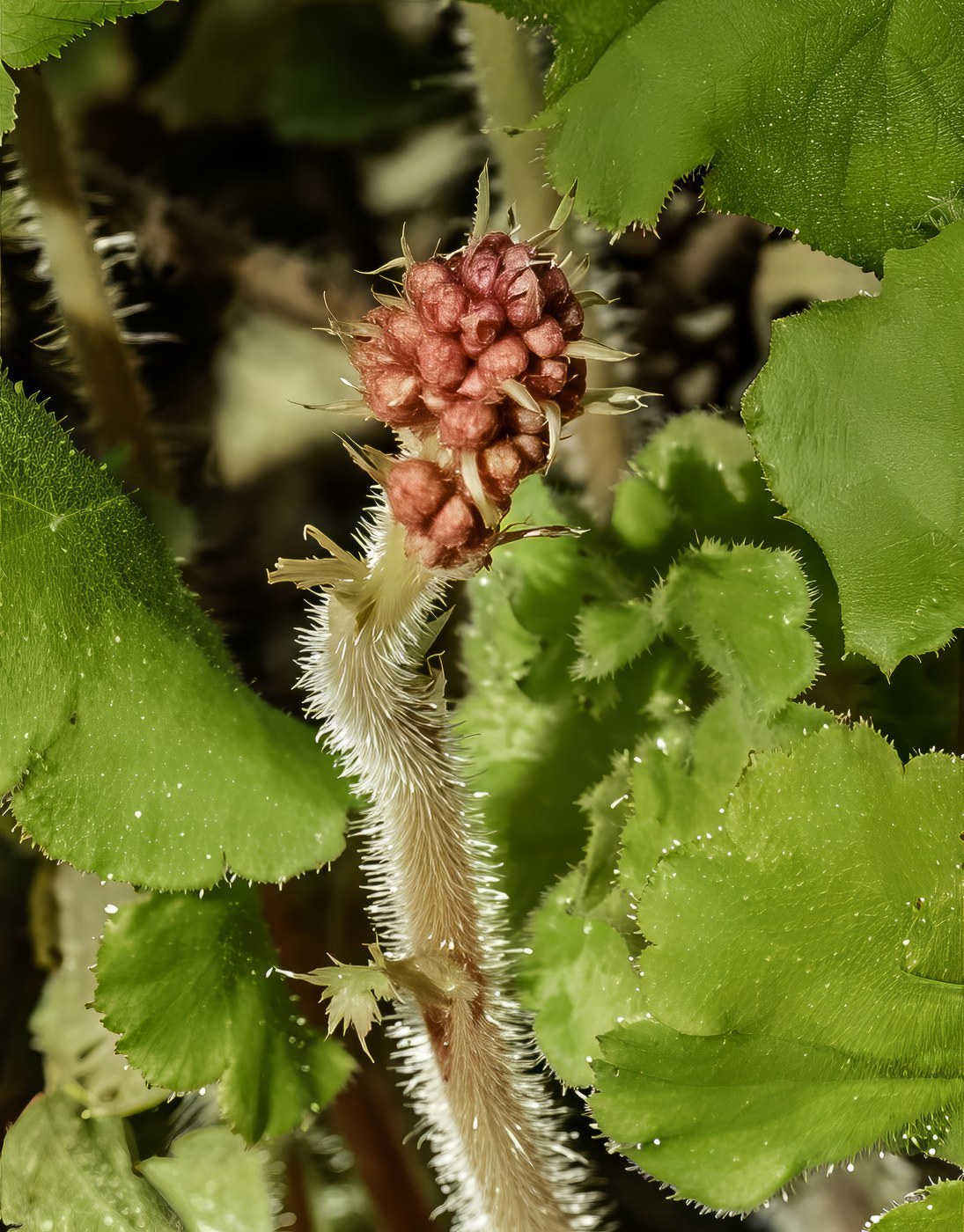
Coral Bells (Heuchera sanguinea) is a clump-forming evergreen perennial grown for its ruffled, richly colored foliage and slender wands of tiny bell-shaped flowers held high above the mound. Easy and adaptable, it brings season-long color to shaded borders, edges, and containers.
Light
Coral Bells does best in partial shade, especially dappled light or morning sun with afternoon protection. Too much hot, direct sun scorches the leaves and fades their color, while deep shade thins the mound and reduces flowering. Darker-leaved varieties generally take a bit more sun than pale or lime-colored ones.
Water
Keep the soil evenly moist but never waterlogged. Coral Bells has a shallow, fibrous root system that dislikes both drought and standing water. Water regularly during dry spells, aiming for consistent moisture, and mulch lightly to buffer the roots. Avoid soggy conditions, which quickly lead to crown and root rot.
Soil & Potting
Plant in rich, humus-heavy, well-drained soil with a neutral to slightly acidic pH. Work in compost at planting to improve moisture retention and drainage together. In containers, use a quality potting mix and ensure ample drainage holes. Set the crown at soil level, never buried, to prevent rot.
Humidity & Temperature
Coral Bells is hardy across a wide temperate range and tolerates cold winters, often keeping its foliage in mild climates. It prefers moderate humidity and cool-to-warm conditions. In very hot, humid summers, provide extra shade and airflow. In cold regions, a winter mulch helps protect the shallow crown from frost heaving.
Feeding
This is a light feeder. Apply a thin layer of compost or a light dose of balanced slow-release fertilizer in early spring as growth resumes. Avoid heavy feeding, which produces soft, floppy growth. A midseason feed can help container plants, which exhaust their soil faster than those in the ground.
Propagation
The easiest method is division: lift established clumps in spring or early fall, split the crown into sections each with roots and leaves, and replant promptly. Coral Bells can also be grown from stem or crown cuttings, and species types come true from seed sown on the surface in spring, though named cultivars are best divided to preserve their leaf color.
Repotting / Pruning
Clumps tend to push up out of the soil over time as woody crowns develop; divide and replant every three to four years to rejuvenate them and reset the crown at soil level. Deadhead spent flower stalks to keep plants tidy and remove tattered or winter-damaged leaves in early spring to make way for fresh growth.
Common Problems & Pests
The most common problem is crown rot from soggy soil or a buried crown, so drainage and correct planting depth are key. Frost heaving can lift shallow crowns in winter; re-firm and mulch as needed. Watch for vine weevils (whose larvae chew roots), foliar nematodes causing wedge-shaped leaf discoloration, powdery mildew, and rust. Good spacing and airflow reduce fungal issues.
Seasonal Care Tips
In spring, clean up old foliage, divide crowded clumps, and topdress with compost. Through summer, keep soil evenly moist, deadhead spent flower wands, and shade from harsh afternoon sun. In fall, tidy the plant and mulch lightly. In winter, the foliage may persist in mild areas; in cold zones, check periodically that frost heaving hasn't exposed the crown and re-firm plants if needed.
Frequently asked questions
Why are my Coral Bells leaves scorched and faded?
Too much hot, direct sun is the usual cause. Move the plant to partial or dappled shade with afternoon protection; brightly colored and pale-leaved varieties are especially prone to scorch.
How often should I divide Coral Bells?
Every three to four years. Over time the woody crown lifts out of the soil, so dividing and replanting at the correct depth rejuvenates the clump and improves vigor.
Why does my Coral Bells plant keep popping out of the ground?
Its shallow crown is prone to frost heaving in winter and to natural crown lift as it ages. Re-firm the plant, replant deeper if needed, and mulch to insulate the roots.
Do Coral Bells keep their leaves in winter?
In mild climates they are semi-evergreen and hold much of their foliage, while in cold regions the leaves may die back or tatter. Trim damaged leaves in early spring for a fresh flush.