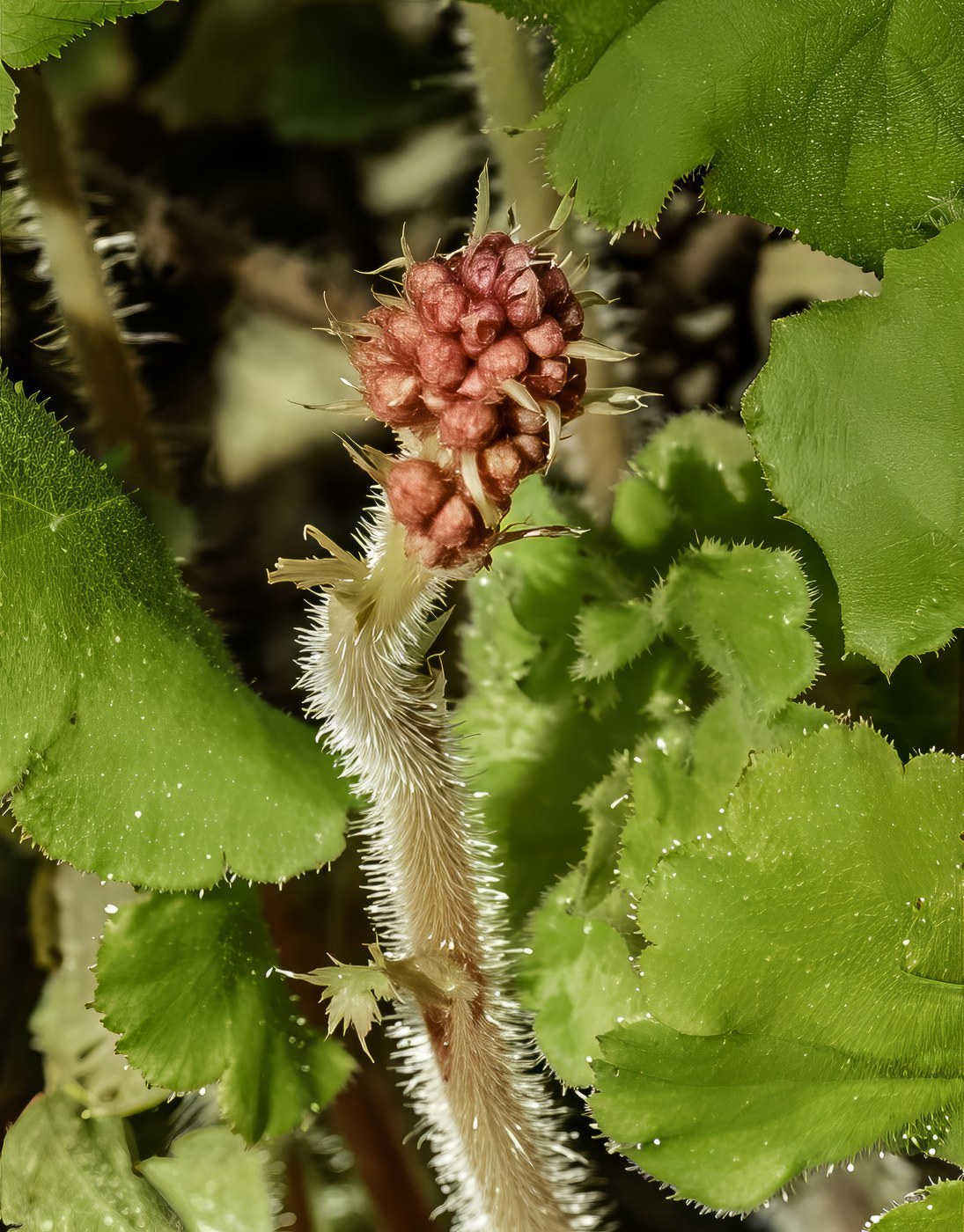
Coral Bells
Heuchera sanguinea
A versatile mounding perennial grown chiefly for vivid foliage in shades of purple, amber, lime, and silver, accented by airy sprays of tiny bell-shaped flowers. A modern shade-garden favorite.
- Light
- Partial shade
- Water
- Keep soil evenly moist
- Difficulty
- Easy
Got a plant like this?
Identify any plant from a photo, free.
Overview
Coral bells have evolved from a modest wildflower into one of the most popular foliage perennials, thanks to breeding that yields leaves in nearly every color from deep burgundy and caramel to chartreuse and silvery purple. The rounded, often ruffled leaves form neat evergreen or semi-evergreen mounds.
The common name comes from the slender stalks of tiny bell-shaped flowers, traditionally coral-red, that rise above the foliage in late spring and summer and draw hummingbirds.
Compact and adaptable, Heuchera works in borders, containers, and edging, prized for season-long foliage color in part shade.
How to identify it
- Leaves: Rounded, lobed, often ruffled, in colors spanning green, purple, amber, lime, silver, and bicolors; form low rosettes
- Flowers: Tiny bell-shaped blooms (coral, red, pink, or white) on thin, wiry stalks held well above the foliage
- Habit: Tidy evergreen to semi-evergreen mound, typically 8-18 in. tall
- Bloom time: Late spring into summer
- Roots: Woody crown that can heave upward over time
Care & growing
Light: Partial shade is ideal; darker-leaved types take more sun, while pale and lime types prefer shade to avoid scorch.
Water: Keep soil evenly moist but well-drained; avoid both drought stress and waterlogging.
Soil: Rich, humusy, well-drained soil; good drainage is critical to prevent crown rot.
Temperature: Hardy in USDA zones 4-9.
Feeding: Light spring feeding with compost or balanced fertilizer.
Propagation: Divide every 3-4 years in spring or fall; this also fixes crowns that have heaved out of the ground.
Habitat & origin
Coral bells are native to North America, where various Heuchera species grow on rocky slopes, woodland edges, and along streams from the western mountains to the eastern forests.
Heuchera sanguinea hails from the southwestern US and Mexico. The vast array of modern cultivars is grown in shade and woodland gardens across temperate regions worldwide.
Frequently asked questions
Are coral bells grown for flowers or leaves?
Both, but modern varieties are prized mainly for their colorful foliage. The wiry flower stalks are a bonus and attract hummingbirds.
Why is my heuchera crown lifting out of the soil?
Coral bells naturally heave their woody crowns upward over time. Lift and replant deeper, or divide every few years, to keep the crown anchored.
Can coral bells take full sun?
Dark-leaved varieties tolerate more sun if kept moist, but most prefer partial shade. Pale and lime-colored types can scorch in strong sun.
Are coral bells evergreen?
In mild climates they are evergreen or semi-evergreen; in colder zones the foliage may decline in winter and rebound in spring.
Coral Bells guides
In-depth guides for identifying, growing, and caring for Coral Bells.
How to Care for Coral Bells
Grow Coral Bells (Heuchera sanguinea), an easy shade perennial with colorful mounded foliage and airy wands of tiny bell flowers.
Coral Bells Identification Guide
Identify coral bells (Heuchera) by their mounded rosettes of rounded, lobed, often colorful leaves and airy wands of tiny bell-shaped flowers.