
How to Care for Coral Tree
Grow the coral tree (Erythrina crista-galli) for spectacular scarlet flower spikes. Loves full sun, warmth, and well-drained soil.
Read the full Coral Tree encyclopedia entry →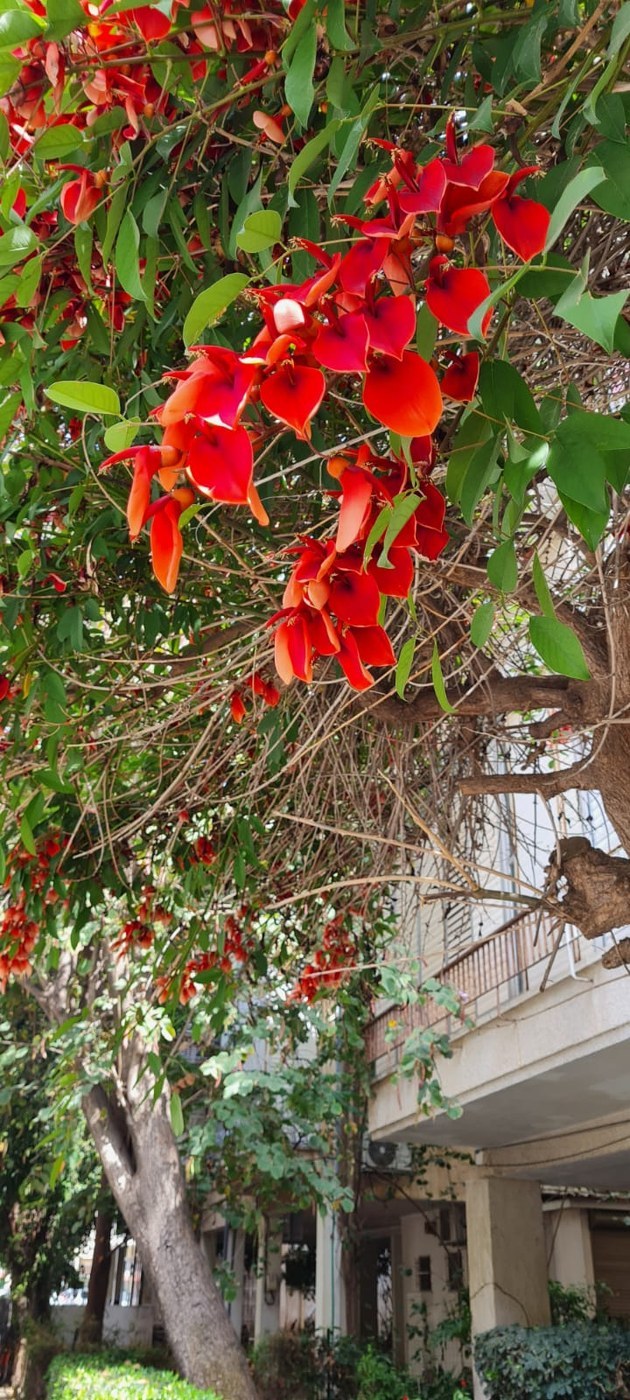
The coral tree is a striking small tree or large shrub grown for its dramatic spikes of waxy, scarlet, pea-shaped flowers borne in summer. Vigorous and sun-loving, it makes a bold ornamental focal point in warm-climate gardens and can be cut back hard to control its size.
Light
Full sun is essential for good flowering. Coral trees grown in shade produce sparse blooms and weak, sprawling growth. Site the tree in the sunniest available location with plenty of room to spread.
Water
Water needs are moderate. Provide regular deep watering through the active growing and flowering season, then reduce sharply as growth slows in autumn and winter. Established trees are fairly drought tolerant but flower best with steady summer moisture and sharp drainage; standing water causes root rot.
Soil & Potting
Plant in well-drained soil of average fertility. Sandy or loamy soils suit it well, and it tolerates a range of pH. Good drainage is the single most important factor, as heavy, waterlogged clay leads to rot. In containers, use a coarse, free-draining mix and a heavy pot to counterbalance the top growth.
Humidity & Temperature
A warm-climate plant, the coral tree thrives in heat and is best suited to frost-free or nearly frost-free regions. In borderline areas the top growth may be killed by frost, but established plants often resprout from the base in spring. Protect young plants from hard freezes.
Feeding
Feed moderately in spring and early summer with a balanced fertilizer to support vigorous growth and flowering. Avoid excessive nitrogen, which promotes soft, sappy growth at the expense of flowers. A layer of compost around the root zone each spring is beneficial.
Propagation
Propagate from seed or from hardwood cuttings. Seeds germinate more readily after scarifying the hard coat and soaking in warm water. Take cuttings of mature wood and root them in a gritty, warm medium. Cuttings retain the characteristics of the parent plant, while seedlings may vary.
Repotting / Pruning
Coral trees respond very well to hard pruning and are often cut back heavily in late winter to maintain a compact framework and encourage strong flowering shoots. Wear gloves, as the branches carry prickles. Container specimens should be repotted or root-pruned every couple of years in early spring before growth resumes.
Common Problems & Pests
Root rot from poor drainage is the most serious risk. Watch for scale insects, mealybugs, borers, and occasional caterpillar damage on foliage. Aphids may gather on new growth. Improving drainage, keeping the tree vigorous, and hosing off soft-bodied pests usually keep problems in check.
Seasonal Care Tips
Prune hard in late winter to shape and stimulate flowering wood. Increase watering and begin feeding as growth resumes in spring, then enjoy the peak flush of flowers in summer. Taper off water and stop feeding in autumn, and in marginal climates mulch the base heavily to protect the roots over winter.
Frequently asked questions
Why isn't my coral tree flowering?
Insufficient sun is the usual cause, along with excess nitrogen fertilizer. Move or open up the site for full sun and use a balanced feed rather than a high-nitrogen one.
Can I cut a coral tree back hard?
Yes. Coral trees tolerate and even benefit from heavy pruning in late winter, which keeps them compact and encourages strong flowering shoots. Wear gloves for the prickles.
Will a coral tree survive frost?
It is a warm-climate plant. Light frost may kill the top growth, but established plants often resprout from the base in spring. Protect young plants and mulch the roots in marginal areas.
How do I grow a coral tree in a pot?
Use a large, heavy container with a coarse, free-draining mix, keep it in full sun, water regularly in summer, and prune to control size. Repot or root-prune every couple of years in spring.