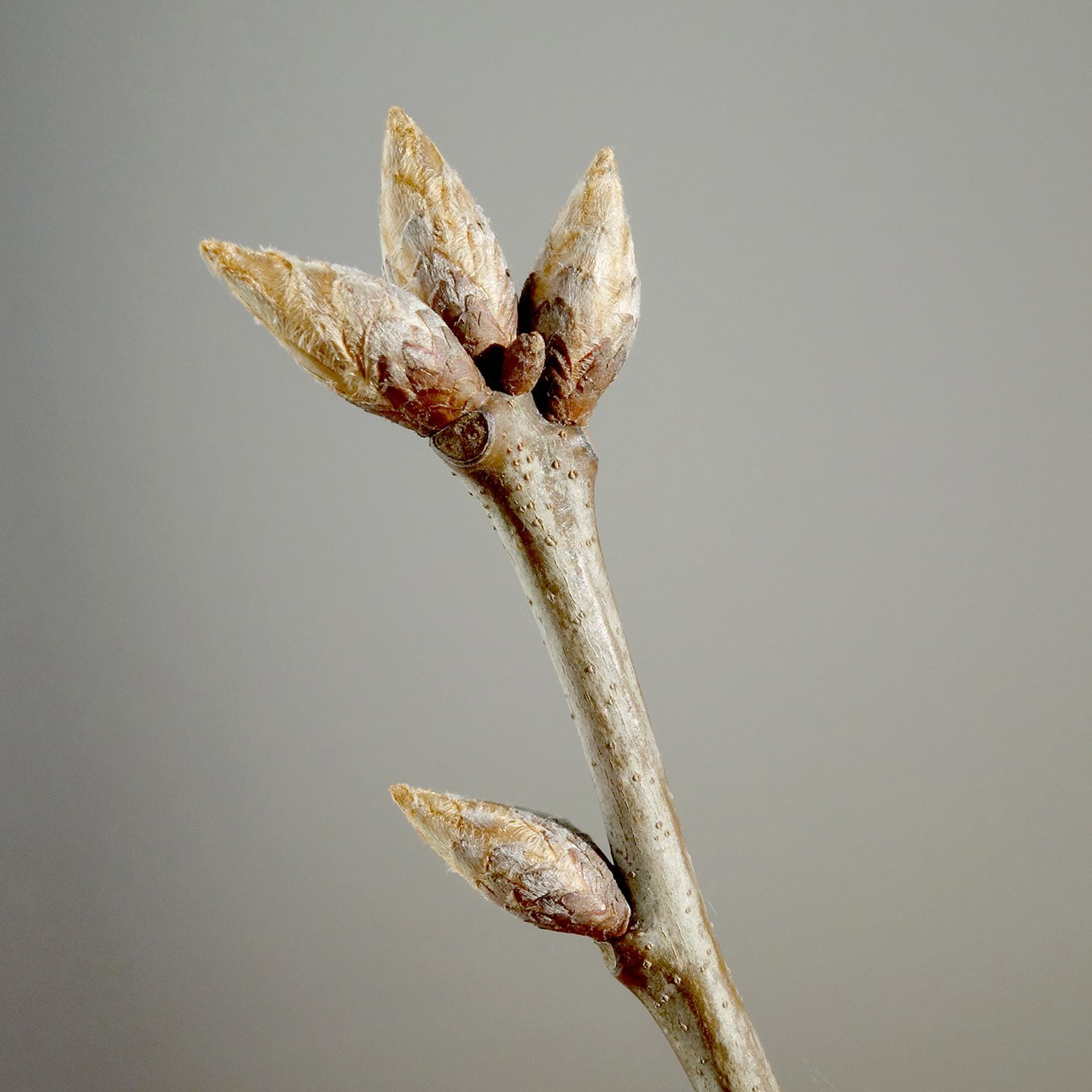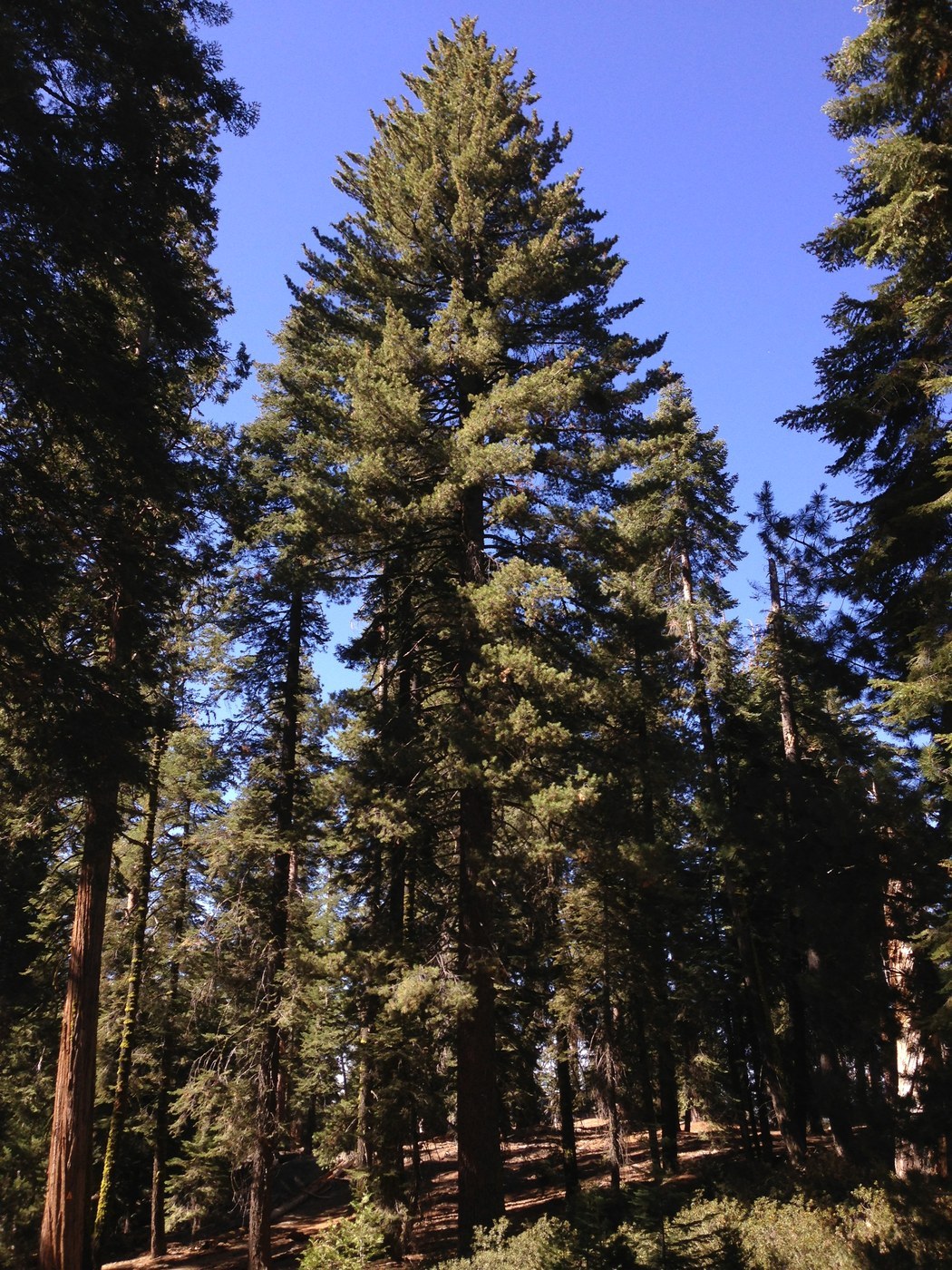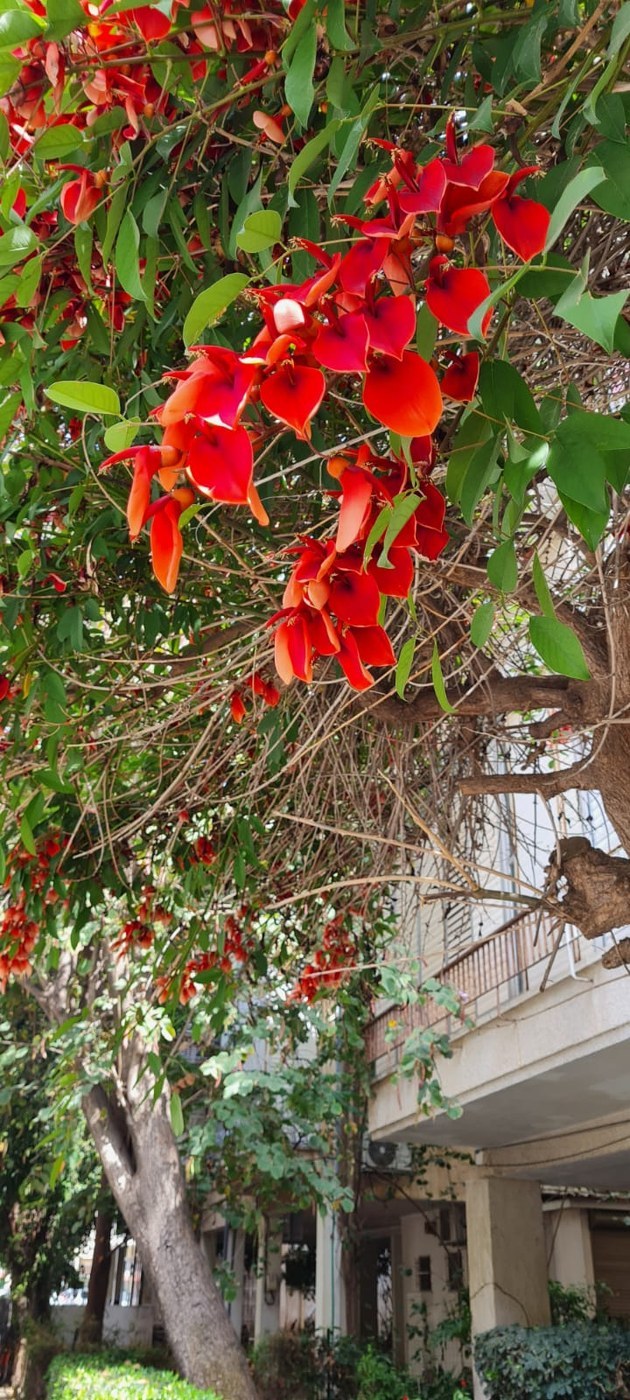
Coral Tree
Erythrina crista-galli
The coral tree is a thorny deciduous tree or large shrub bearing dramatic spikes of waxy, deep-red, claw-shaped flowers in summer. Native to South America, it is the national tree and flower of Argentina and Uruguay.
- Light
- Full sun
- Water
- Moderate
- Difficulty
- Moderate
Got a plant like this?
Identify any plant from a photo, free.
Overview
Erythrina crista-galli, the cockspur coral tree, is a small deciduous tree or large shrub native to South America, celebrated for its vivid crimson flower spikes and its status as a national emblem.
Throughout the warm season it produces long terminal racemes of waxy, red, pea-like flowers whose curved shape recalls a rooster's spur, giving the species its name crista-galli (cock's comb). The flowers are rich in nectar and draw birds and bees.
Its branches and leaf stalks bear small prickles, and the plant often dies back in cooler climates, regrowing from the base.
How to identify it
A spreading deciduous tree or shrub typically 4-8 m tall, with a gnarled, often crooked trunk.
- Leaves: alternate, compound with three leathery, oval leaflets; the stalks and midribs bear small prickles
- Flowers: showy, deep red, waxy, pea-shaped blooms in long terminal racemes, curved like a rooster's spur
- Fruit: long, dark, constricted bean-like pods
- Stems: armed with scattered thorns; somewhat sprawling
- Habit: often shrubby and multi-stemmed, with a rugged form
Care & growing
A warm-climate flowering tree that tolerates some cold dieback.
- Light: full sun
- Water: moderate; appreciates regular moisture during growth but tolerates drought once established
- Soil: well-drained; tolerates a range including sandy and damp soils
- Temperature: best in zones 9-11; in cooler areas it may freeze back and resprout from the roots
- Feeding: light feeding supports flowering
- Propagation: from seed (scarified) or hardwood cuttings; prune after flowering to control its sprawling habit
Habitat & origin
Native to Argentina, Uruguay, Brazil, and Paraguay, where it grows along riverbanks, wetlands, and gallery forests, tolerating periodically wet soils.
It is the national tree of Argentina and Uruguay (its flower, the ceibo, is their national flower) and is widely planted as an ornamental in subtropical regions worldwide, including California and the Mediterranean.
Frequently asked questions
Why is it called the cockspur coral tree?
The curved, red, claw-like flowers resemble a rooster's spur, and the species name crista-galli means cock's comb in Latin.
Will it survive a cold winter?
In marginal climates it may freeze back to the ground in winter but typically resprouts vigorously from the roots in spring.
What pollinates the flowers?
Its nectar-rich red blooms are mainly pollinated by birds such as hummingbirds, along with bees.
Coral Tree guides
In-depth guides for identifying, growing, and caring for Coral Tree.
How to Care for Coral Tree
Grow the coral tree (Erythrina crista-galli) for spectacular scarlet flower spikes. Loves full sun, warmth, and well-drained soil.
Coral Tree Identification Guide
How to identify Coral Trees (Erythrina) by their bright red claw-like flowers, three-part diamond leaves, thorny stems, and bead-like red seeds.