How to Care for Corn Plant
Growing guide for corn plant (Dracaena fragrans), an easy, upright houseplant with arching strappy leaves and a cane-like trunk.
Read the full Corn Plant encyclopedia entry →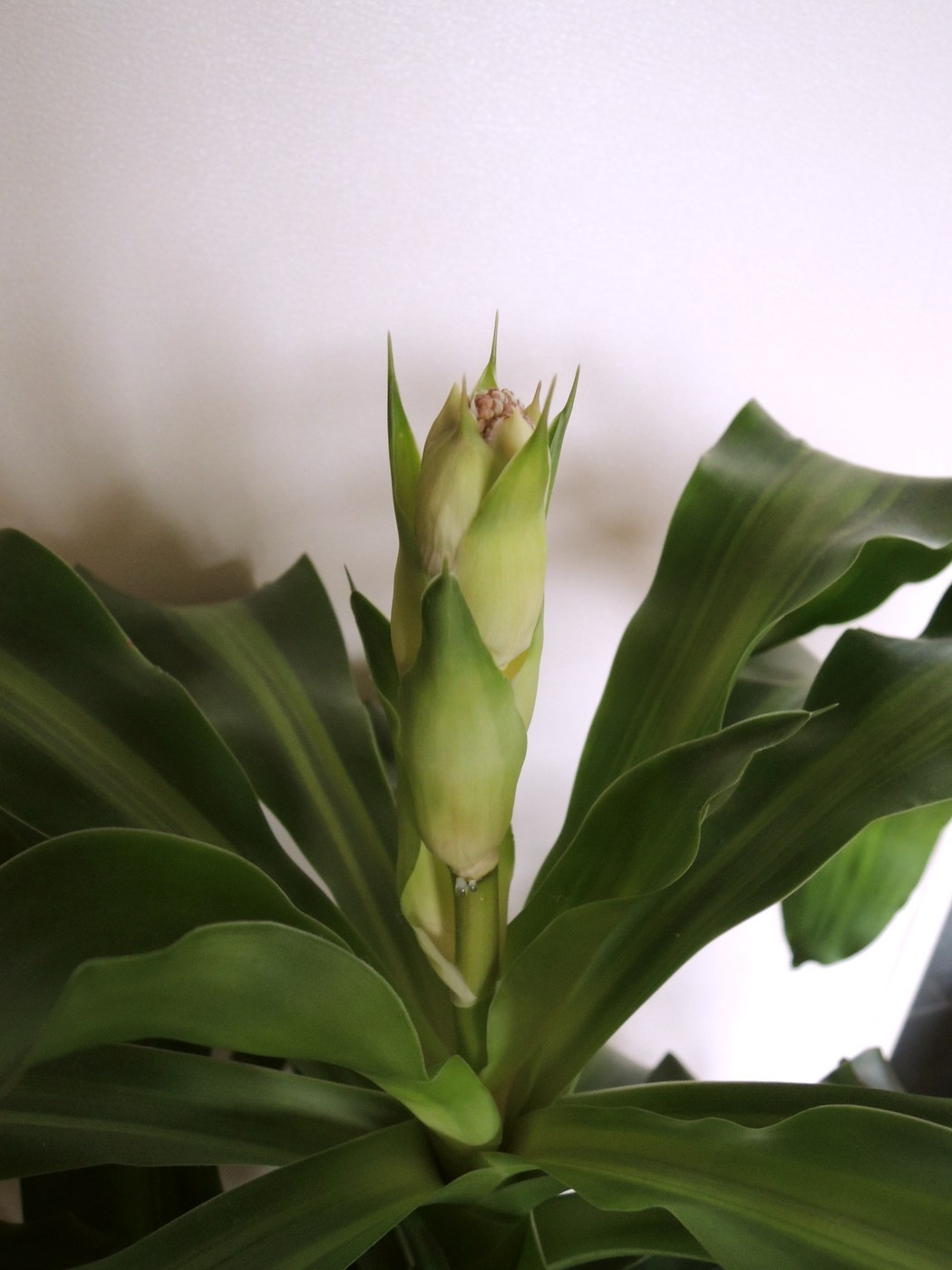
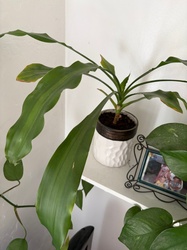
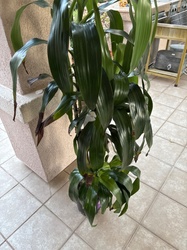
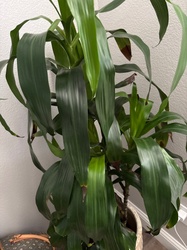
Corn plant (Dracaena fragrans) is one of the most forgiving and popular indoor foliage plants, forming a woody cane topped with a rosette of long, arching, strappy leaves often marked with a lighter central stripe. Its upright, treelike form and tolerance of low light make it a reliable choice for homes and offices.
Light
Corn plant does best in bright, indirect light, which keeps its foliage well-colored and its variegation crisp. It also tolerates low light, though growth slows and variegation may fade. Keep it out of harsh direct sun, which can scorch and bleach the leaves.
Water
Water when the top inch or two of soil has dried out, then water thoroughly until it drains from the bottom. Corn plant is sensitive to overwatering, which causes root rot and yellowing leaves, so let the surface dry between waterings. It is somewhat drought-tolerant and prefers to be a touch dry rather than soggy. Use filtered or distilled water if the leaf tips brown, since the plant is sensitive to fluoride and salts in tap water.
Soil & Potting
Grow corn plant in a loose, well-draining potting mix, such as a peat-based houseplant mix amended with perlite or bark for aeration. Choose a pot with drainage holes. A slightly snug pot is fine, as this plant does not mind being somewhat rootbound.
Humidity & Temperature
Corn plant prefers warm indoor temperatures, roughly typical room warmth, and dislikes cold drafts and temperatures below the mid-50s Fahrenheit. It appreciates moderate to higher humidity; in dry indoor air the leaf tips may brown, which occasional misting or a nearby humidity tray can help offset.
Feeding
Feed lightly during the growing season, spring through summer, with a balanced, diluted liquid houseplant fertilizer about once a month. Reduce or stop feeding in fall and winter when growth slows. This is a slow, light feeder, and over-fertilizing can contribute to leaf-tip burn.
Propagation
Corn plant is easily propagated from stem cuttings. Cut a section of cane, let the cut end callus briefly, and root it in water or moist potting mix. Both the top rosette cutting and sections of the bare cane will sprout new growth. Warmth and bright indirect light speed rooting.
Repotting / Pruning
Repot every two to three years, or when roots fill the pot, moving up one pot size in spring. To control height, cut back the cane at the desired level; the plant will branch and produce new rosettes below the cut. Remove yellowing or spent lower leaves as they age. Wipe the broad leaves periodically to keep them dust-free and photosynthesizing well.
Common Problems & Pests
Browning leaf tips are the most common complaint, usually from dry air, fluoride or salts in tap water, or inconsistent watering. Yellowing leaves and soft stems point to overwatering and root rot. Watch for spider mites, mealybugs, and scale, especially in dry indoor conditions; treat with insecticidal soap or by wiping the foliage. Drooping can signal either underwatering or cold exposure.
Seasonal Care Tips
In spring and summer, keep the plant in bright indirect light, water when the top inch or two dries, and feed monthly during active growth. In fall and winter, reduce watering as growth slows and stop feeding. Keep it away from cold windows, heating vents, and drafts year-round, and raise humidity during dry winter months to prevent leaf-tip browning.
Frequently asked questions
Why are the tips of my corn plant's leaves turning brown?
Brown leaf tips usually stem from dry air, inconsistent watering, or fluoride and salts in tap water. Keep humidity up, water consistently, and try filtered or distilled water.
How much light does a corn plant need?
Bright, indirect light is ideal for good color and variegation, but it tolerates low light with slower growth. Avoid harsh direct sun, which scorches the leaves.
How often should I water a corn plant?
Water when the top inch or two of soil dries out, then water thoroughly. It is sensitive to overwatering, so let the surface dry between waterings and never leave it soggy.
How do I make my corn plant shorter or bushier?
Cut the cane back at the height you want. The plant responds by branching and sprouting new leaf rosettes below the cut, giving a fuller look.
Corn Plant identified by the community
Recent Corn Plant specimens identified with Plant Identifier.