Corn Plant
Dracaena fragrans
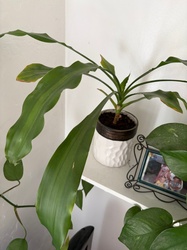
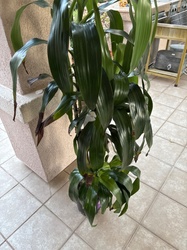
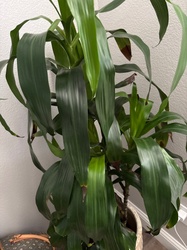
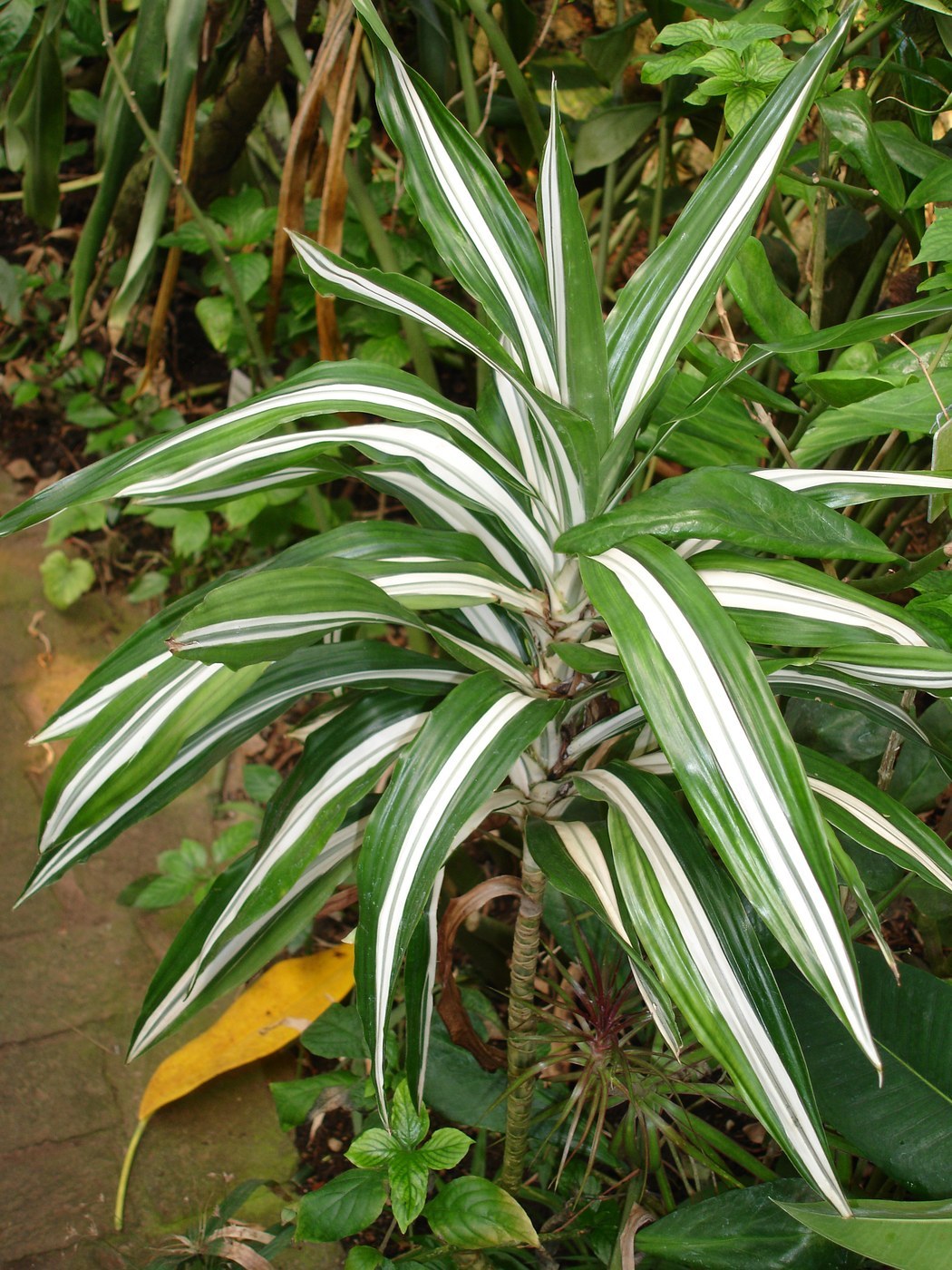
The corn plant is a sturdy indoor tree with thick woody canes topped by arching, corn-like leaves, often with a yellow-green center stripe. It is famously tolerant of low light and neglect.
- Light
- Bright indirect to low light
- Water
- When top inch or two dries
- Difficulty
- Easy
Got a plant like this?
Identify any plant from a photo, free.
Overview
Dracaena fragrans is a slow-growing tropical tree from Africa, one of the most popular and durable indoor plants. Its common name comes from the broad, glossy leaves that resemble those of a corn stalk, frequently marked with a wide chartreuse or yellow stripe down the center in cultivars like Massangeana.
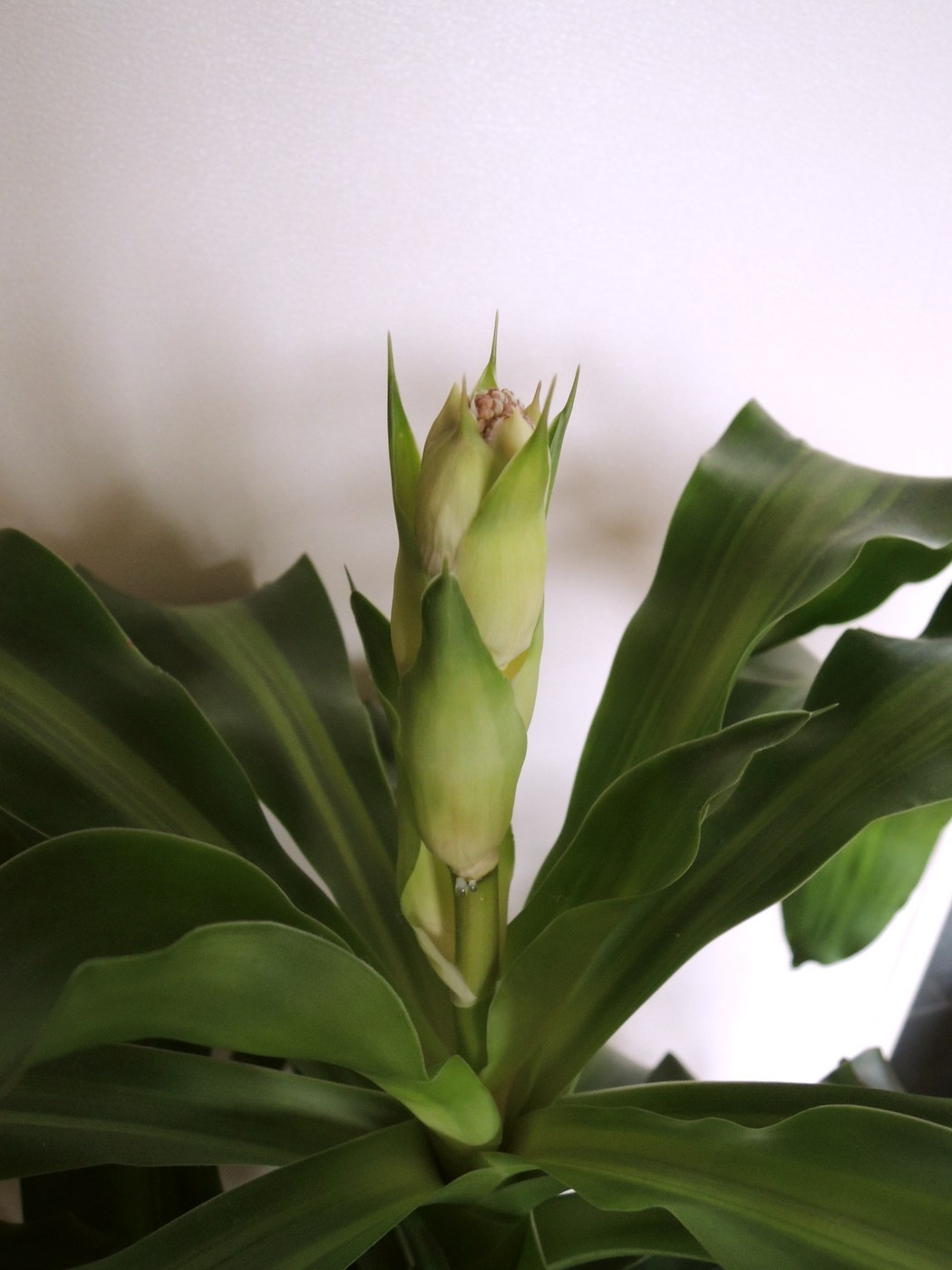
Grown as a single cane or in staggered groups, it forms an upright, tree-like silhouette ideal for floors and corners. The species name fragrans refers to its intensely fragrant flowers, though it rarely blooms indoors.
It tolerates low light and irregular watering, making it a favorite for homes and offices.
How to identify it
Identify the corn plant by:
- Canes: thick, woody, upright trunks, often sold as cut-and-rooted logs
- Leaves: long, broad, arching, glossy, strap-shaped, gathered at the cane tops
- Leaf markings: many cultivars have a wide yellow or lime-green central stripe
- Habit: tree-like, upright, can reach 4-6 ft or more indoors
- Flowers: rare indoors, but very fragrant when they appear
Care & growing
- Light: bright, indirect light is ideal; tolerates medium to low light with slower growth
- Water: water when the top inch or two of soil dries; avoid overwatering
- Water quality: sensitive to fluoride and salts; use filtered water if leaf tips brown
- Humidity: average indoor humidity is fine
- Soil: well-draining potting mix
- Temperature: 65-80 degrees F; avoid cold below 55 degrees F
- Feeding: light feeding in spring and summer
- Propagation: easy from cane or tip cuttings
Habitat & origin
The corn plant is native to tropical Africa, ranging widely from Sudan and Ethiopia south through Central Africa to Mozambique, where it grows as an understory shrub or small tree in warm, humid forests.
It is cultivated worldwide as a leading indoor foliage plant for homes and offices, and grown outdoors in frost-free tropical regions.
Frequently asked questions
Why are the leaf tips on my corn plant turning brown?
Brown tips are commonly caused by fluoride and salts in tap water, dry air, or inconsistent watering. Switch to filtered water and keep the watering routine steady.
Can the corn plant grow in low light?
Yes, it tolerates low to medium light well, though it grows faster and keeps better leaf color in bright, indirect light.
Why are the lower leaves yellowing and dropping?
Some lower-leaf loss is natural as canes grow, but widespread yellowing usually points to overwatering. Let the top of the soil dry out more between waterings.
Corn Plant guides
In-depth guides for identifying, growing, and caring for Corn Plant.
How to Care for Corn Plant
Growing guide for corn plant (Dracaena fragrans), an easy, upright houseplant with arching strappy leaves and a cane-like trunk.
Corn Plant Identification Guide
Identify the Corn Plant (Dracaena fragrans) by its thick woody canes topped with broad, arching cornstalk-like leaves, often with a yellow stripe.
Corn Plant identified by the community
Real specimens identified with Plant Identifier.