
How to Care for Corn Poppy
Sow Corn Poppy in full sun and lean soil for waves of silky scarlet blooms; this easy annual self-sows and thrives on neglect.
Read the full Corn Poppy encyclopedia entry →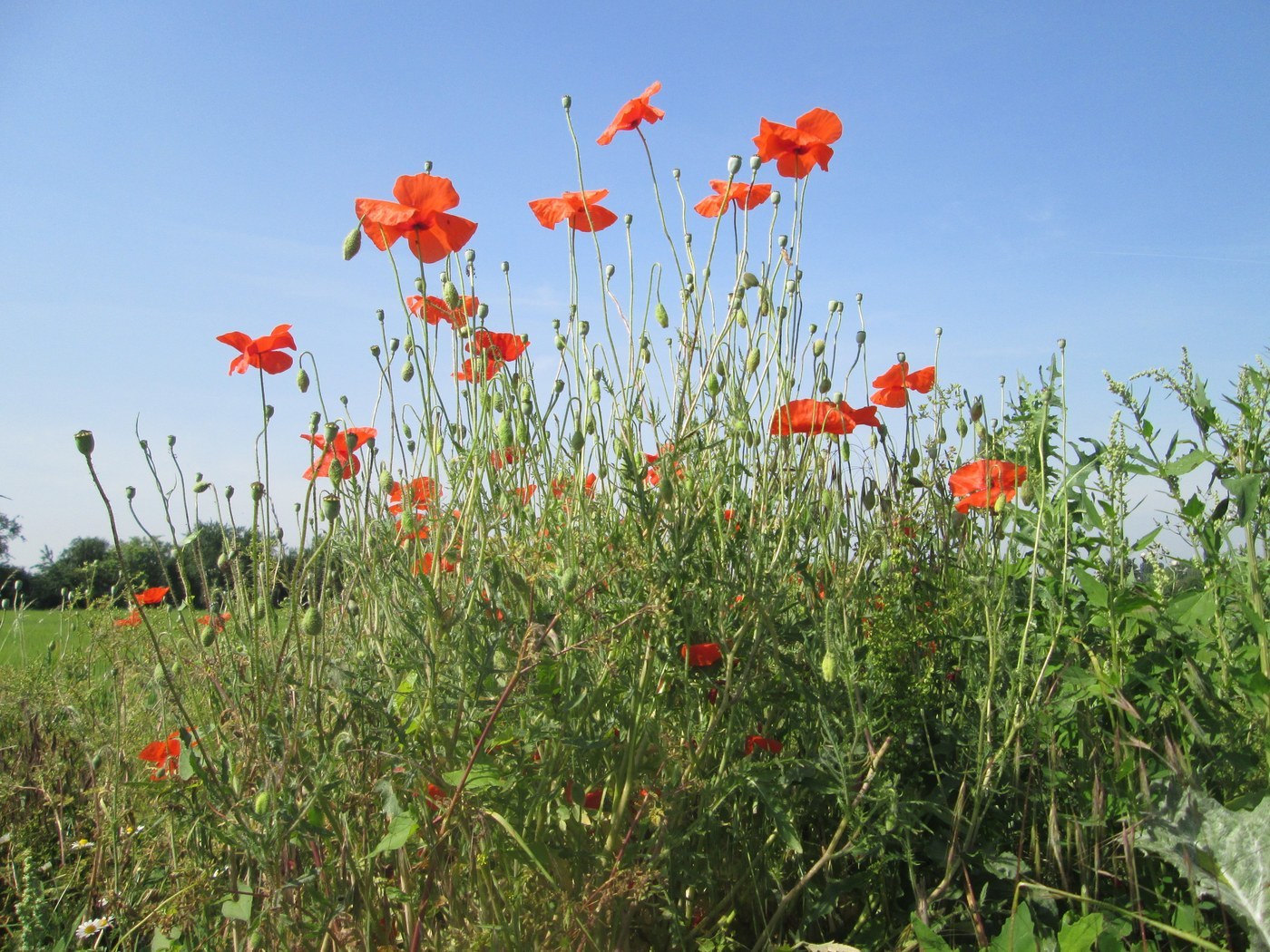
Corn Poppy (Papaver rhoeas) is a fast, easy-growing annual famous for its tissue-paper scarlet flowers dancing on slender stems. It flourishes in full sun with minimal fuss, self-sows freely, and is a classic choice for meadow plantings and cottage borders.
Light
Corn Poppy demands full sun, at least six hours of direct light daily. In too much shade the plants grow weak and floppy and produce far fewer flowers. An open, sunny site with good air movement gives the sturdiest stems and the most abundant bloom.
Water
Water needs are low. Corn Poppy is drought tolerant once established, thriving on natural rainfall in most climates. Water young seedlings enough to establish them, then let the soil dry between waterings. Overwatering and rich, moist ground lead to lush leafy growth at the expense of flowers and encourage rot, so keep it on the dry side.
Soil & Potting
These poppies prefer lean, well-drained soil and actually bloom best in poor ground. Avoid heavy, waterlogged clay. They dislike root disturbance and transplanting, so sow seed directly where plants are to grow. If growing in containers, use a gritty, free-draining mix and sow directly into the final pot rather than transplanting.
Humidity & Temperature
Corn Poppy is a cool-season annual that germinates in cool soil and blooms in the mild weather of late spring and early summer. It tolerates light frost as a young plant and appreciates cool nights. Hot, humid summer weather ends the show, causing plants to set seed and fade quickly. No special humidity is needed.
Feeding
Feeding is largely unnecessary and can be counterproductive. Rich soil and heavy fertilizer produce floppy foliage and fewer blooms. If your soil is very poor, a single light dose of balanced fertilizer early on is plenty; otherwise skip feeding entirely.
Propagation
Corn Poppy is grown from seed, and it self-sows prolifically. Scatter the tiny seeds on the surface in fall or early spring, pressing them in lightly since they need light to germinate; do not bury them. Sow directly in the garden because the taproot resents disturbance. Allow some seed heads to ripen and shed for a self-perpetuating patch year after year.
Repotting / Pruning
As a direct-sown annual, Corn Poppy is not repotted. Thin seedlings to give each plant room to develop. Deadhead spent flowers to prolong blooming and prevent excessive self-seeding, or leave the ornamental seed pods to develop and scatter seed. At season's end, pull spent plants once they have set the seed you want.
Common Problems & Pests
Corn Poppy is generally trouble-free. The main risks are damping-off and root rot in wet, poorly drained soil, so prioritize good drainage. Aphids may cluster on stems and buds; rinse them off or treat with insecticidal soap. Downy mildew can appear in cool damp conditions. Floppy, sparse plants usually indicate too much shade or overly rich, moist soil.
Seasonal Care Tips
Sow in fall in mild climates for early spring bloom, or as soon as the soil can be worked in late winter to early spring in colder areas. Poppies bloom in a flush during cool spring and early summer weather. As heat arrives and plants set seed, let seed heads ripen and scatter for next year, then clear the beds. Successive sowings a few weeks apart can extend the display.
Frequently asked questions
Can I transplant Corn Poppy seedlings?
It is best not to. Corn Poppies form a taproot and strongly resent root disturbance, so they rarely survive transplanting. Always sow seed directly where you want the plants to grow, then thin the seedlings.
Why isn't my Corn Poppy flowering well?
The usual culprits are too little sun or soil that is too rich and moist. Give it full sun and lean, well-drained ground, and hold back on water and fertilizer, which push leafy growth instead of blooms.
When should I sow Corn Poppy seeds?
Sow in fall in mild-winter regions or in late winter to early spring elsewhere. Scatter the seed on the surface and press lightly, since the seeds need light to germinate and should not be buried.
Will Corn Poppy come back every year?
It is an annual, but it self-sows so freely that a patch often returns year after year. Simply let some seed heads ripen and shed their seed rather than deadheading every flower.