
How to Care for Coulter Pine
Coulter pine is a drought-tough Western conifer famous for enormous cones; give it full sun and sharp drainage.
Read the full Coulter Pine encyclopedia entry →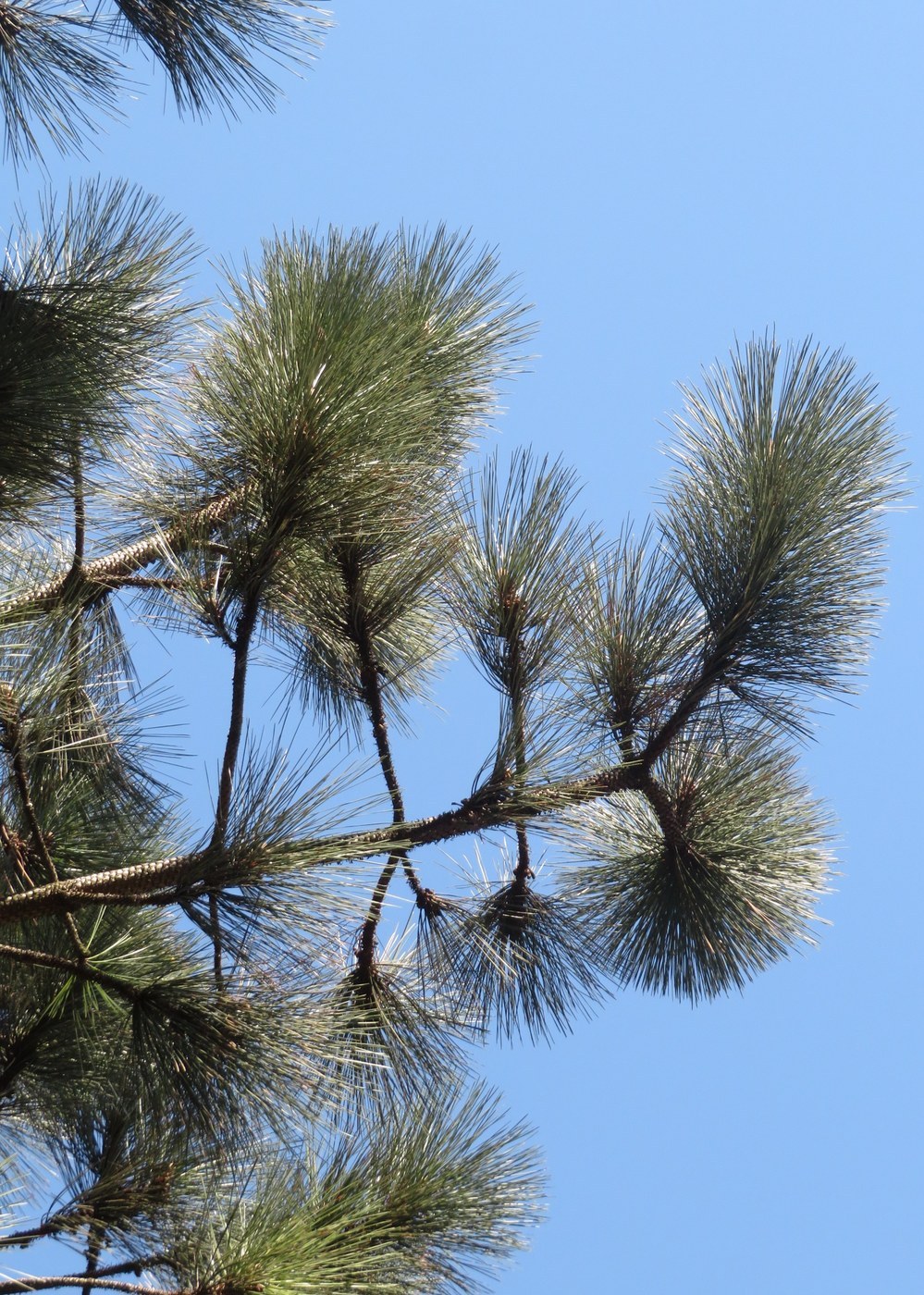
Coulter pine (Pinus coulteri) is a large evergreen conifer native to the dry mountain slopes of California and Baja California, celebrated for producing the heaviest cones of any pine. It is a moderate-difficulty landscape tree best suited to sunny, well-drained sites in Mediterranean and dry-summer climates, where its drought toughness truly shines.
Light
Coulter pine requires full sun. As a pioneer species of open, sunny slopes, it will not thrive in shade and needs several hours of direct light daily to grow strong and dense. Plant it in the most open, unobstructed part of the landscape, away from the shade of larger trees or buildings.
Water
Once established, Coulter pine is highly drought-tolerant and adapted to long, dry summers. Water young trees regularly through their first few years to build a deep root system, then taper off. Mature trees generally need little to no supplemental water in a suitable climate, relying on deep roots to find moisture. Deep, infrequent soakings are far better than frequent shallow watering, and soggy soil should be avoided at all costs.
Soil & Potting
This pine demands well-drained soil and tolerates poor, rocky, sandy, and low-fertility ground exceptionally well; it is naturally found on lean, gravelly slopes. It handles a range of pH but insists on sharp drainage. Heavy, wet clay is its main enemy. If planting in heavy soil, choose a slope or mound to improve runoff.
Humidity & Temperature
Coulter pine is adapted to hot, dry summers and cool winters typical of its native foothill and mountain range. It tolerates heat and low humidity easily and withstands moderate winter cold. It is not suited to humid, wet-summer climates, where poor drainage and moisture-related problems become likely. Give it airy, open conditions.
Feeding
Coulter pine needs very little feeding and is well adapted to lean soils. Generally no fertilizer is required in landscape settings. If growth is poor in especially depleted soil, a light application of a slow-release conifer or balanced fertilizer in early spring is sufficient. Avoid heavy feeding, which serves no purpose for this frugal species.
Propagation
Coulter pine is propagated from seed extracted from its massive cones. Seeds benefit from a period of cold, moist stratification to improve germination, mimicking winter on the forest floor. Sow in deep containers to accommodate the long taproot, and grow seedlings in full sun with sharp drainage. Transplant while young, since the deep taproot makes older specimens difficult to move.
Repotting / Pruning
Pines in general need minimal pruning; remove only dead, damaged, or crossing branches, ideally in late winter while dormant. Avoid heavy pruning of live wood, which pines do not regenerate from easily. If grown in a container while young, use a deep pot to accommodate the taproot and pot up before the roots circle or coil. Note that mature cones are very large and heavy, so site the tree where falling cones are not a hazard.
Common Problems & Pests
The most common problems stem from excess moisture and poor drainage, which can lead to root rot; sharp drainage prevents most issues. Like other pines, it can be affected by bark beetles, pine needle scale, and aphids, as well as fungal needle diminishing and cankers, though a healthy, well-sited tree resists these. Drought-stressed or overwatered trees are the most vulnerable, so correct siting is the best defense.
Seasonal Care Tips
In spring, do any needed structural pruning while dormant and check young trees as growth begins. Through the hot, dry summer, water young trees deeply but infrequently and let established trees rely on their roots. In fall, reduce watering. In winter, the tree is cold-hardy within its range and needs little attention; simply ensure the site continues to drain freely during wet weather.
Frequently asked questions
How much water does a Coulter pine need?
Young trees need regular deep watering for the first few years to establish. Once established, Coulter pine is very drought-tolerant and generally needs little to no supplemental water in a suitable dry-summer climate. Always avoid soggy soil.
What kind of soil does Coulter pine need?
Sharply drained soil is essential. It thrives in poor, rocky, sandy, and low-fertility ground and tolerates a range of pH, but it cannot handle heavy, wet clay. On heavy soils, plant on a slope or mound to improve drainage.
Does Coulter pine need pruning?
Very little. Remove only dead, damaged, or crossing branches in late winter. Pines do not regenerate well from heavy cuts into live wood, so avoid aggressive pruning and let the tree develop its natural form.
How do you grow Coulter pine from seed?
Extract seed from the large cones and give it a period of cold, moist stratification before sowing in deep containers to accommodate the taproot. Grow seedlings in full sun with excellent drainage, and transplant while young.