Coulter Pine
Pinus coulteri
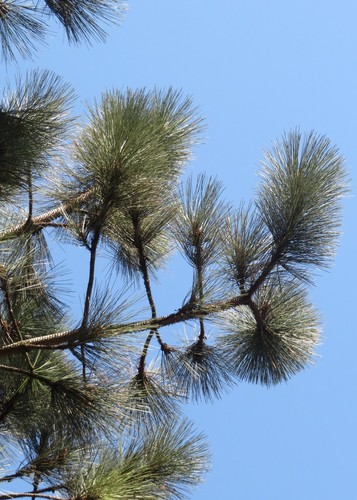
A rugged southern California and Baja conifer famous for producing the heaviest pine cones in the world, sometimes weighing up to 5 pounds. Its stout, spiny cones and long blue-green needles make it unmistakable.
- Light
- Full sun
- Water
- Drought-tolerant once established
- Difficulty
- Moderate
Got a plant like this?
Identify any plant from a photo, free.
Overview
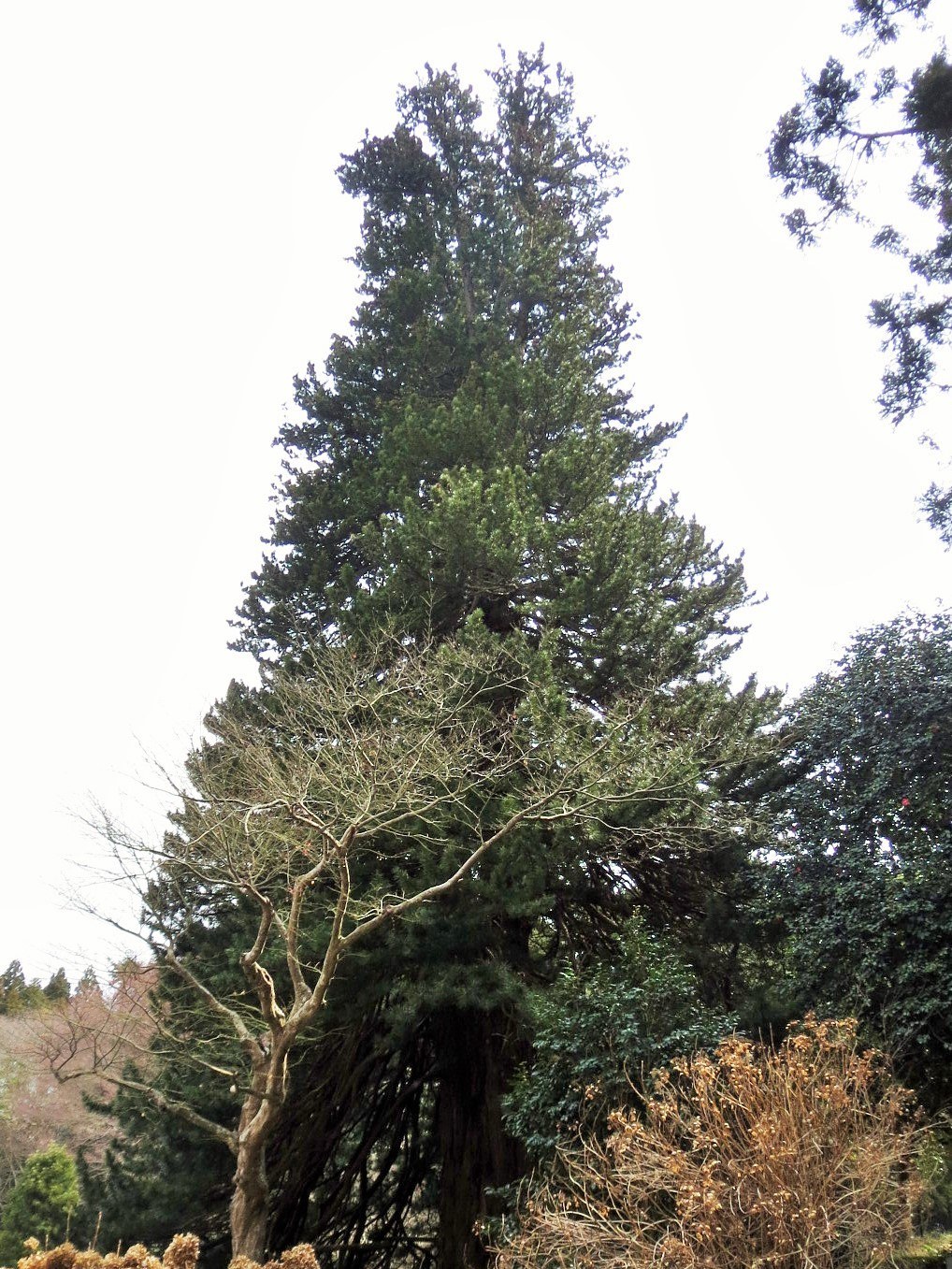
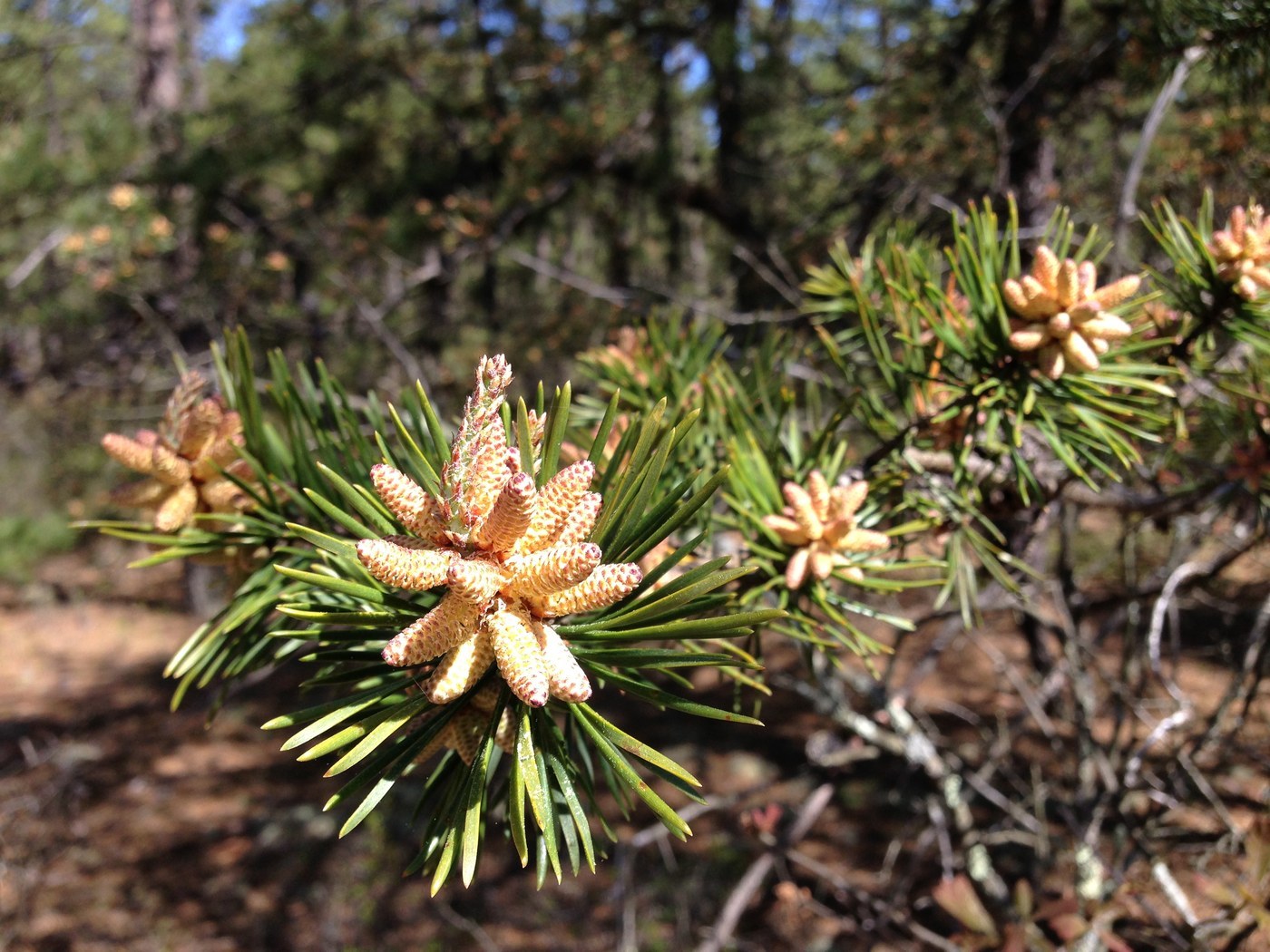
Coulter pine is a medium-sized conifer of the dry mountain slopes of southern California and northern Baja California. It is best known for its spectacular cones—the heaviest of any pine, occasionally tipping the scales at 4–5 lb (up to ~2.3 kg) and bristling with stout, claw-like spines.
The tree has a sturdy, somewhat open crown of long, stiff blue-green needles. It is well adapted to hot, dry, fire-prone chaparral and montane environments.
Because of its dramatic cones, it is sometimes nicknamed the 'widowmaker,' and falling cones are a genuine hazard beneath mature trees.
How to identify it
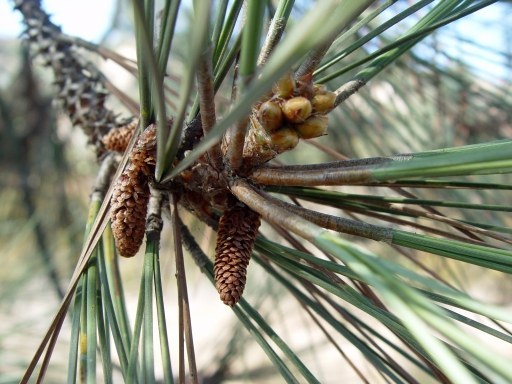
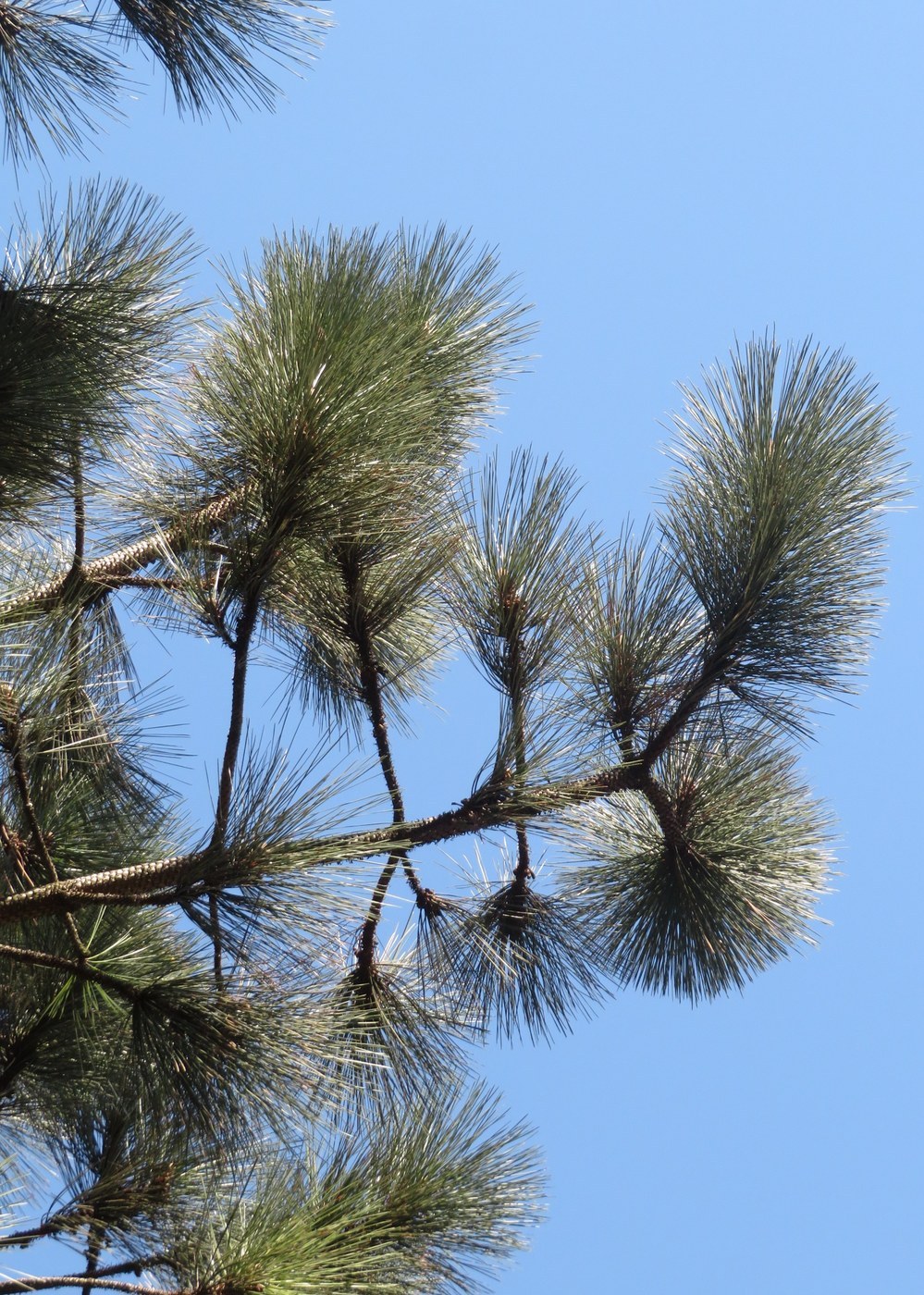
- Needles: long (8–12 in / 20–30 cm), stiff, gray-green to blue-green, in bundles of three
- Cones: enormous and very heavy (8–14 in), woody with thick, forward-curving spiny scales—the heaviest pine cones known
- Seeds: large, with a stout wing
- Bark: dark gray-brown to nearly black, deeply furrowed
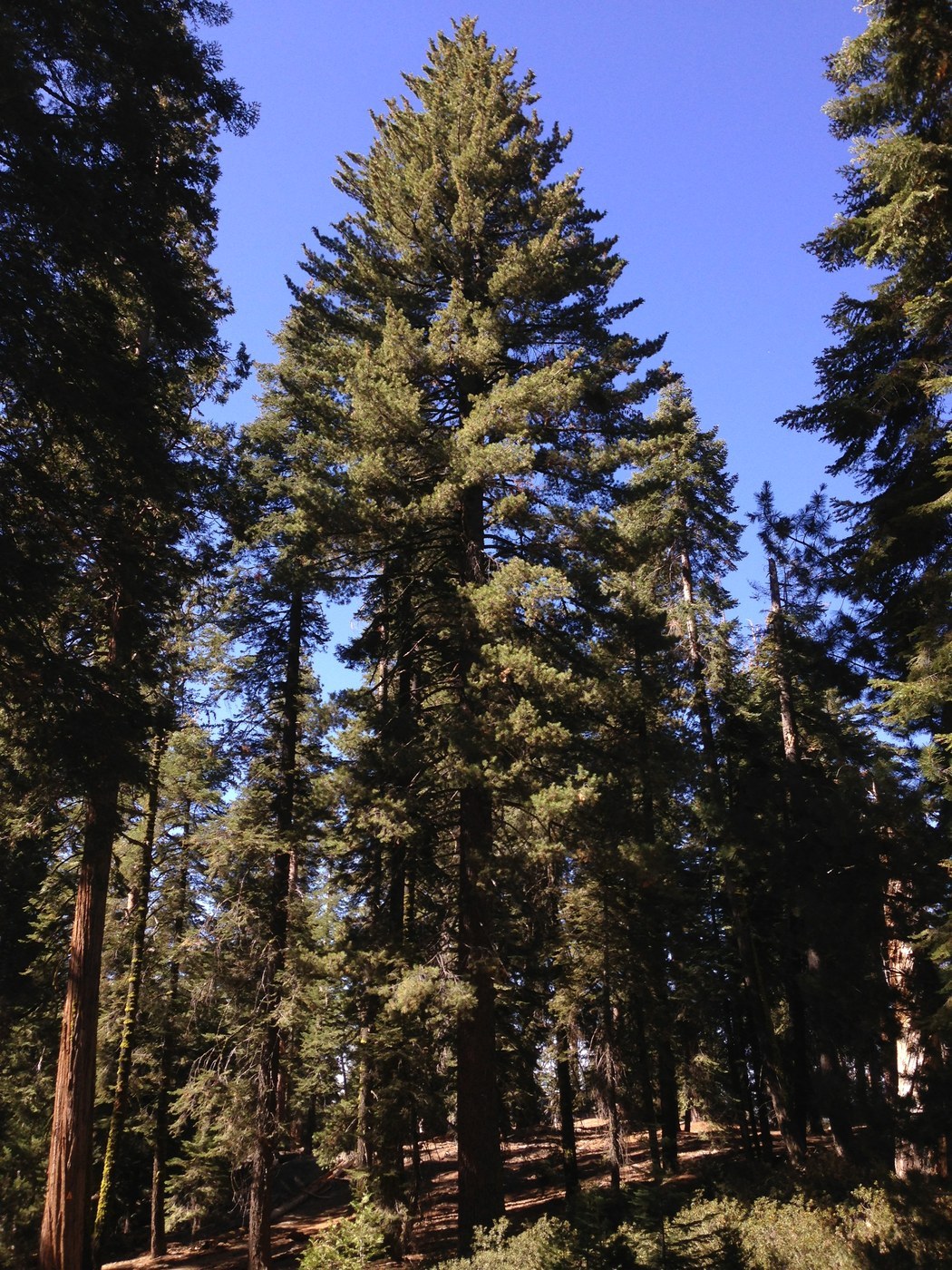
- Crown: open and irregular; usually a single straight trunk
- Size: typically 30–75 ft (10–24 m) tall
Care & growing
Grow in full sun with excellent drainage on a warm, dry site.
- Water: drought-tolerant once established; suited to dry-summer Mediterranean climates
- Soil: tolerates rocky, poor and dry soils; avoid wet, heavy ground
- Temperature: hardy to about USDA zone 7–8; loves heat
- Feeding: minimal; adapted to lean soils
- Propagation: from seed; large seeds germinate readily
Allow plenty of space and avoid planting over patios or paths—the cones are heavy enough to cause injury when they drop.
Habitat & origin
Native to the coastal and inland mountain ranges of southern California and northern Baja California, Mexico, generally between about 1,000 and 7,000 ft elevation.
It grows in chaparral, mixed-evergreen and montane forest on dry, rocky slopes, often with oaks and other pines. It is occasionally planted in dry-climate gardens and arboreta as a curiosity.
Frequently asked questions
Does Coulter pine really have the heaviest cones?
Yes. Coulter pine produces the heaviest cones of any pine species, sometimes weighing 4–5 pounds, which is why it is nicknamed the 'widowmaker.'
Is it dangerous to stand under one?
The massive, spiny cones can cause injury if they fall on you, so it is wise to keep clear of mature trees, especially in cone-drop season.
Where is it native?
It is native to the mountains of southern California and northern Baja California, growing on dry, rocky slopes.
How do I identify a Coulter pine?
Look for long stiff blue-green needles in bundles of three, dark furrowed bark, and enormous, very heavy woody cones armored with stout, forward-curving spines.
Coulter Pine guides
In-depth guides for identifying, growing, and caring for Coulter Pine.
How to Care for Coulter Pine
Coulter pine is a drought-tough Western conifer famous for enormous cones; give it full sun and sharp drainage.
Coulter Pine Identification Guide
Identify Coulter Pine (Pinus coulteri) by its dark blue-green needles in threes and the heaviest pine cones in the world, bristling with hooked claws.