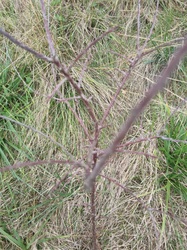
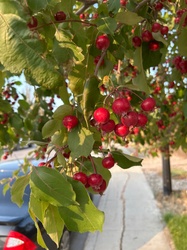
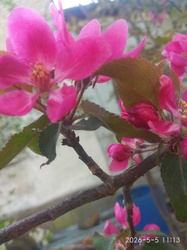
How to Care for Crabapple Tree
Grow an ornamental Crabapple Tree (Malus spp.) in full sun with well-drained soil for spring blossoms and long-lasting fruit display.
Read the full Crabapple Tree encyclopedia entry →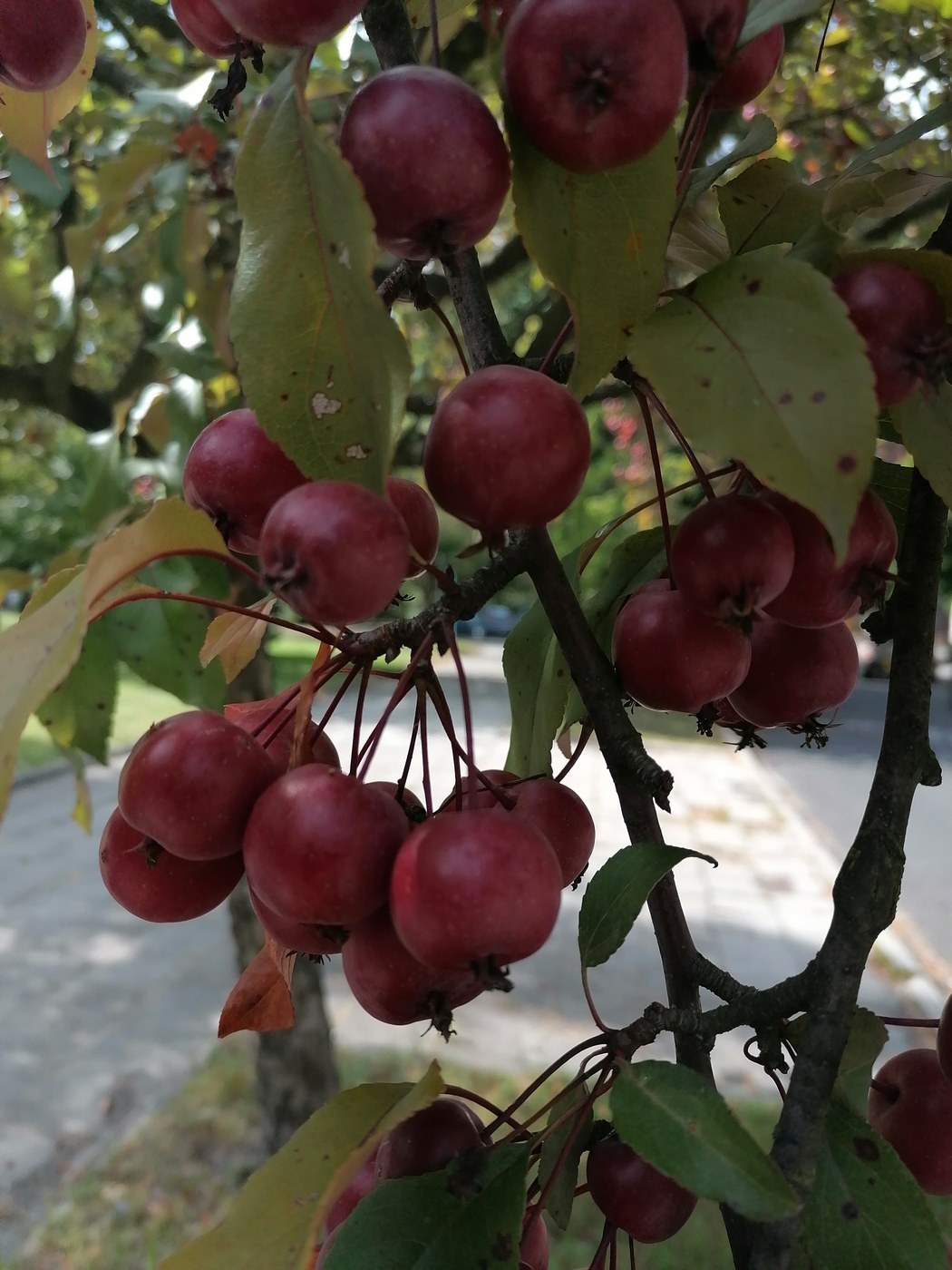
The Crabapple Tree (Malus spp.) is a beloved ornamental tree grown for its lavish spring blossoms in white, pink, and rose, followed by small, colorful fruits that persist and decorate the branches into fall and winter. It is an easy, adaptable, cold-hardy tree that rewards good siting and modest yearly care with a spectacular seasonal show.
Light
Plant crabapples in full sun. At least six hours of direct sunlight daily produces the heaviest bloom, the best fruit color, and the healthiest, most disease-resistant foliage. Trees grown in shade bloom sparsely, develop thin canopies, and become far more prone to leaf diseases, so an open, sunny location is important.
Water
Water weekly while the tree is young to help it establish a deep, strong root system, giving it a slow, thorough soaking rather than frequent light sprinkles. Once established, the crabapple is quite drought-tolerant and needs supplemental water mainly during extended dry periods. A layer of mulch over the root zone conserves moisture and moderates soil temperature, while avoiding soggy soil around the trunk.
Soil & Potting
Crabapples adapt to a wide range of soils but grow best in well-drained, moderately fertile, slightly acidic loam. They tolerate clay better than many trees as long as it is not constantly waterlogged. When planting, dig a wide hole, set the tree at the same depth it grew in the nursery, backfill with native soil, and water in well. Keep mulch a few inches back from the trunk to prevent rot.
Humidity & Temperature
This is a cold-hardy, temperate tree that needs a winter chill to bloom well and handles a broad range of temperatures. It grows across many climate zones and tolerates cold winters easily. Humid conditions can encourage foliar diseases, so choosing disease-resistant varieties and ensuring good airflow are the best defenses in muggy regions.
Feeding
Feed modestly. A crabapple in reasonable soil often needs little fertilizer, and excess nitrogen encourages soft growth that is prone to disease and reduces flowering. If growth is weak or leaves are pale, apply a balanced slow-release tree fertilizer in early spring. Mulching with compost each year supplies gentle, steady nutrition.
Propagation
Named crabapple varieties are propagated by grafting or budding onto rootstock to preserve their exact flower and fruit traits, which is generally a task for nurseries. Home gardeners can grow trees from seed, but seedlings vary widely and rarely match the parent. Hardwood or softwood cuttings can be attempted but root unreliably compared with grafting.
Repotting / Pruning
Prune crabapples in late winter or early spring while dormant, before growth begins. Remove dead, damaged, crossing, and inward-growing branches, thin crowded areas to open the canopy for light and air, and take out any suckers from the base and water sprouts along the limbs. Aim to maintain an open, balanced framework, and avoid heavy pruning during the growing season, which can stress the tree and reduce next year's bloom.
Common Problems & Pests
Crabapples are prone to several foliar diseases, most notably apple scab, cedar-apple rust, fire blight, and powdery mildew, especially in humid climates. The single best defense is to choose modern disease-resistant varieties. Cleaning up fallen leaves reduces disease carryover, and good airflow through proper pruning keeps foliage drier. Aphids, scale, borers, and Japanese beetles may appear and can be managed with horticultural oils, insecticidal soap, or targeted controls as needed.
Seasonal Care Tips
In late winter, prune while the tree is dormant and apply any needed feeding. In spring, enjoy the blossom display and watch for early signs of foliar disease. Through summer, water young trees weekly and keep the area mulched and weed-free. In fall, rake and remove fallen leaves and persistent fruit debris to limit disease, and enjoy the colorful fruit display that often lingers into winter on the bare branches.
Frequently asked questions
Why does my crabapple lose its leaves in summer?
Premature leaf drop is usually caused by apple scab or other foliar diseases, common in humid weather. Choose disease-resistant varieties, prune for airflow, and rake up fallen leaves to reduce spread.
When is the best time to prune a crabapple tree?
Prune in late winter or early spring while the tree is dormant. Remove dead, crossing, and crowded branches plus any suckers and water sprouts to keep an open canopy.
How often should I water a crabapple tree?
Water young trees weekly with a deep soaking while they establish. Once established, crabapples are drought-tolerant and need extra water mainly during long dry spells.
How can I prevent disease on my crabapple?
Plant modern disease-resistant varieties, grow in full sun with good airflow, prune to open the canopy, and clean up fallen leaves and fruit to limit disease carryover.
Crabapple Tree identified by the community
Recent Crabapple Tree specimens identified with Plant Identifier.