How to Care for Creeping Fig
Creeping fig (Ficus pumila) is an easy trailing or climbing vine with small heart-shaped leaves, ideal for indoor walls, topiary, and terrariums.
Read the full Creeping Fig encyclopedia entry →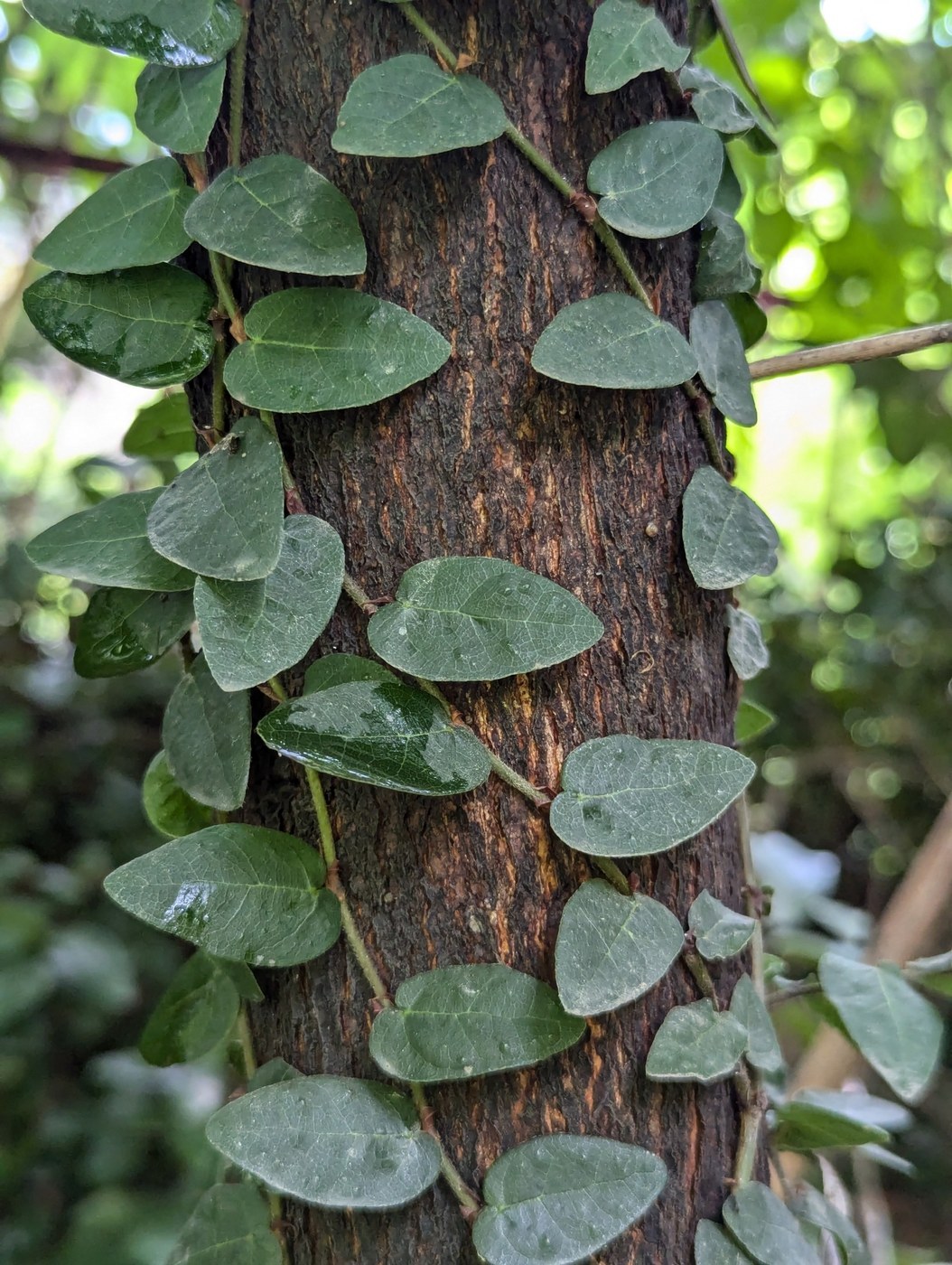
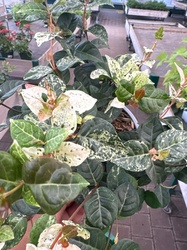
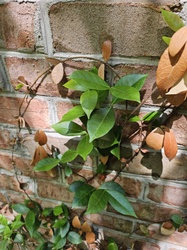
Ficus pumila, creeping fig, is a dainty evergreen vine with small heart-shaped leaves that clings tightly to surfaces or trails gracefully from a pot. It is easy to grow, fast to fill in, and popular for indoor climbing walls, topiary frames, terrariums, and hanging displays.
Light
Provide bright, indirect light. Creeping fig thrives near a window with plenty of filtered light and tolerates some morning sun. Avoid harsh, direct midday sun, which can scorch the delicate leaves, and avoid deep shade, where growth becomes sparse and leggy. Turn the plant occasionally for even coverage.
Water
Keep the soil lightly and evenly moist. Creeping fig has fine roots and small leaves that dry out quickly, so it dislikes both drought and waterlogging. Water when the top of the soil begins to feel dry and never let the root ball dry out completely, which causes rapid leaf drop. Reduce slightly in winter but do not let it go bone dry.
Soil & Potting
Use a well-drained, peat- or coir-based potting mix that retains some moisture while allowing excess to drain. A container with drainage holes is important to prevent soggy roots. In terrariums, ensure a draining substrate layer. Its shallow, fibrous roots suit relatively snug pots.
Humidity & Temperature
Creeping fig loves warmth and higher humidity. Keep it above about 50F and away from cold drafts and heating vents. Average room temperatures suit it, but dry indoor air can cause crisp leaf edges; boost humidity with regular misting, a pebble tray, a humidifier, or grouping with other plants. It excels in humid terrariums and bathrooms.
Feeding
Feed with a balanced, diluted liquid fertilizer every four to six weeks during spring and summer to support its vigorous growth. Cut back or stop feeding in autumn and winter when growth slows. Do not over-fertilize, which can burn the fine roots and cause leaf-tip browning.
Propagation
Creeping fig propagates easily from stem cuttings. Take a section of stem several inches long, ideally with small aerial roots along the nodes, and root it in moist soil or water. Kept warm and humid, cuttings root within a few weeks. Layering trailing stems into an adjacent pot also works reliably.
Repotting / Pruning
Repot in spring when roots fill the container, moving up one pot size. Creeping fig responds very well to pruning: pinch and trim regularly to control its vigorous spread, shape topiary, and keep growth dense. Trim any stems that outgrow their support or wander where unwanted. Frequent light pruning keeps the plant full and tidy.
Common Problems & Pests
The most common issue is leaf drop or crispy leaves from letting the soil dry out or from low humidity, so keep moisture and humidity steady. Spider mites and mealybugs can appear, especially in dry air; rinse foliage and treat with insecticidal soap as needed. Yellowing leaves often indicate overwatering or poor drainage. On walls, its clinging roots can mark surfaces.
Seasonal Care Tips
In spring and summer, water and feed regularly to fuel active growth and prune to shape. In autumn, taper feeding and slightly reduce watering as growth slows. Through winter, keep the plant warm, away from cold drafts, and maintain humidity against dry heated air, watering just enough to keep the soil from drying out.
Frequently asked questions
Why is my creeping fig dropping leaves?
Sudden leaf drop is usually caused by the soil drying out completely or by low humidity. Keep the mix lightly and evenly moist and raise humidity with misting or a pebble tray.
Does creeping fig need support to climb?
It climbs on its own using tiny clinging aerial rootlets that grip walls, frames, and topiary forms. For trailing displays in hanging pots, no support is needed at all.
How do I keep creeping fig full and bushy?
Prune and pinch it regularly. Frequent light trimming encourages dense branching, controls its vigorous spread, and keeps topiary and wall coverage looking neat.
Can creeping fig grow in a terrarium?
Yes, it is excellent in terrariums. The warm, humid, bright-but-filtered conditions suit it perfectly, though you will need to trim it often to keep it from overtaking the space.
Creeping Fig identified by the community
Recent Creeping Fig specimens identified with Plant Identifier.