Creeping Fig
Ficus pumila
A vigorous, small-leaved climbing fig that clings tightly to walls and trellises. Popular as a trailing houseplant, terrarium creeper, and outdoor wall cover.
- Light
- Bright indirect light
- Water
- Keep lightly moist
- Difficulty
- Easy
Got a plant like this?
Identify any plant from a photo, free.
Overview
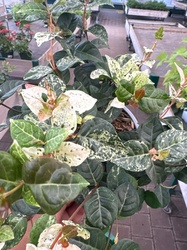
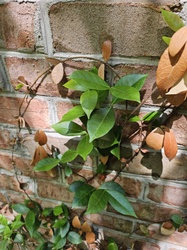
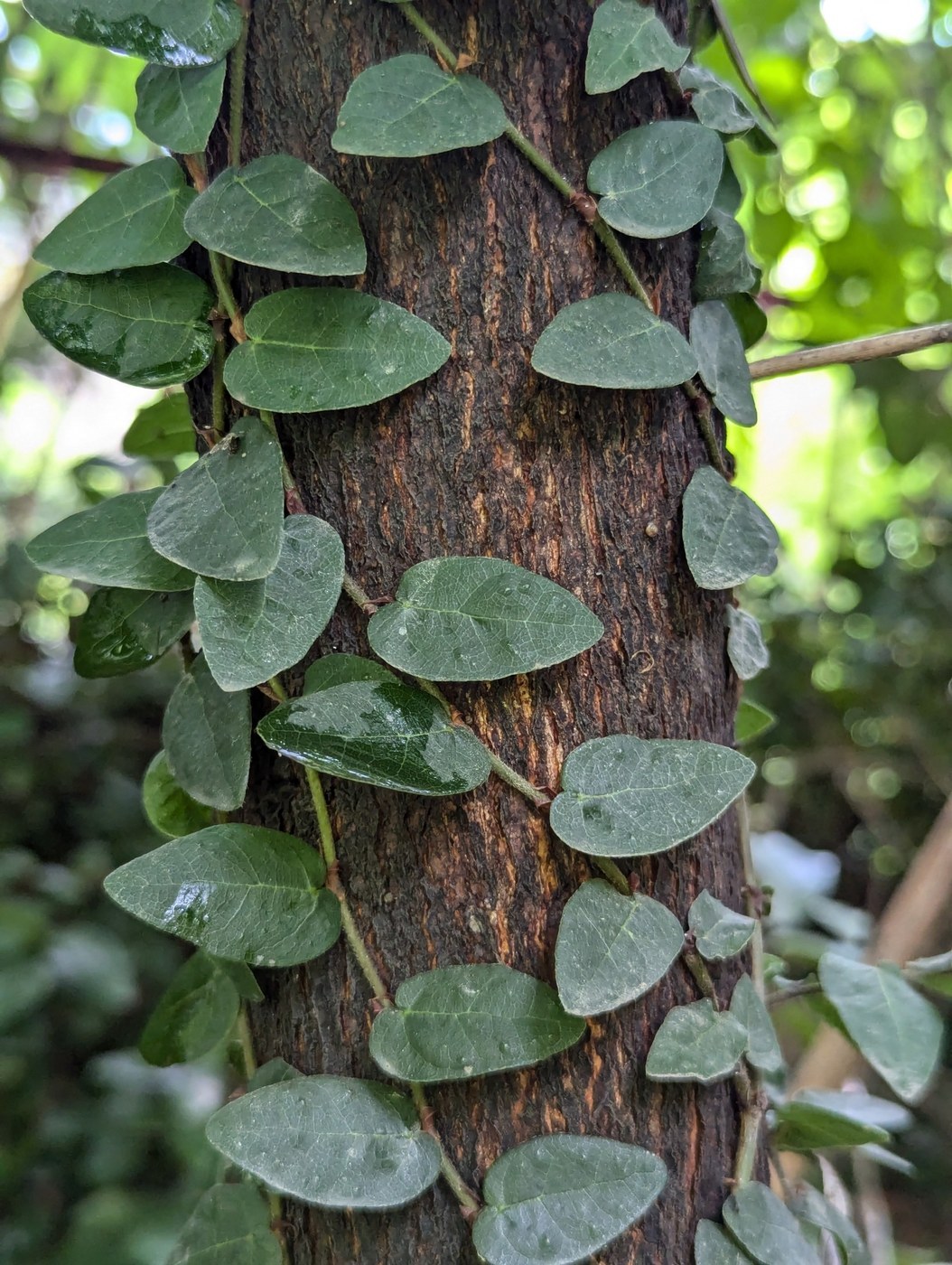
Creeping Fig is a fast-growing, woody-stemmed vine in the fig family, grown for its dense mat of small, heart-shaped juvenile leaves. It climbs by aerial rootlets that cling firmly to almost any surface.
Indoors it is used as a trailing or climbing plant, in terrariums, and trained on topiary forms. Outdoors in warm climates it is a classic self-clinging cover for walls and fences. Its adult growth, with larger leaves and large figs, rarely appears in cultivation.
How to identify it
Look for:
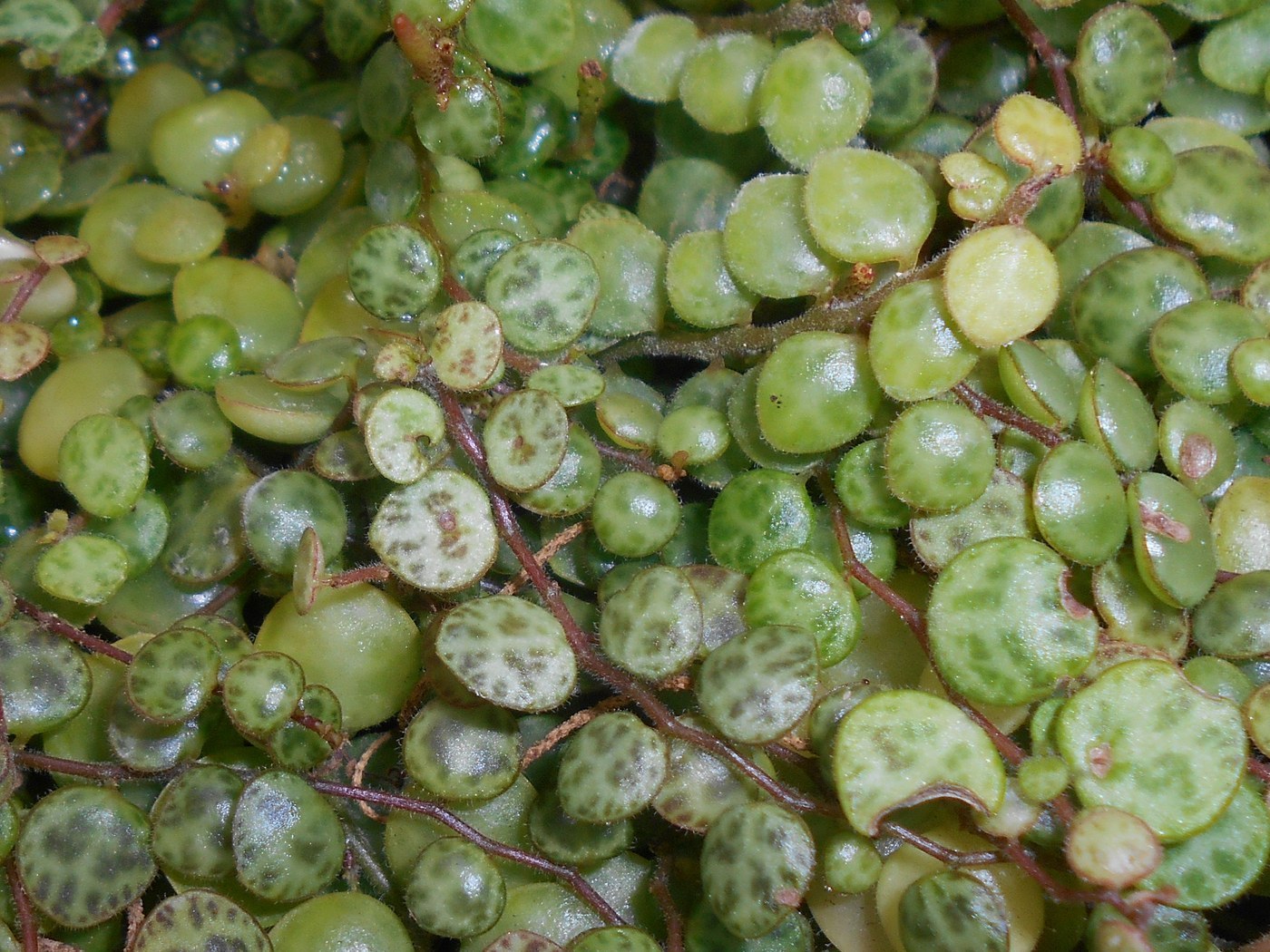
- Leaves: small (about 1 in), heart-shaped, leathery, dark green with a slightly puckered texture in the juvenile form
- Stems: thin, wiry, branching, producing aerial roots that adhere to surfaces
- Habit: dense, flat-growing mat that climbs or trails vigorously
- Sap: milky white latex when cut (typical of figs)
- Adult form: larger oblong leaves and figs, seen only on very old established outdoor plants
Care & growing
Light: Bright indirect light; tolerates some shade but grows fuller in good light. Avoid harsh direct sun.
Water: Keep the soil lightly and evenly moist; it dislikes both drought and waterlogging.
Soil: Standard well-draining potting mix.
Temperature: 60-80F (16-27C); appreciates humidity.
Feeding: Balanced fertilizer monthly in spring and summer.
Propagation: Easy from stem cuttings rooted in water or moist soil.
Tip: Trim regularly to control its vigorous spread and encourage dense growth.
Habitat & origin
Native to East Asia, including China, Japan, and Vietnam, where it grows as a climbing vine on rocks, trees, and walls in humid, subtropical woodland.
It is widely grown indoors as a houseplant and terrarium creeper, and outdoors as a self-clinging wall and ground cover in mild, frost-free regions.
Frequently asked questions
Will Creeping Fig damage my walls?
Its aerial rootlets cling strongly and can leave residue or harm soft surfaces like paint and mortar, so use it on durable walls or trellises and prune regularly.
Why are the leaves on my Creeping Fig drying out?
Usually low humidity or letting the soil dry too much. Keep it lightly moist and raise humidity, especially indoors in winter.
How do I keep it from getting too big?
Prune and pinch it frequently. It is a vigorous grower and responds well to regular trimming to keep it dense and contained.
How do I recognize Creeping Fig?
Look for a vigorous vine with thin wiry stems and small, heart-shaped, leathery dark-green juvenile leaves forming a dense flat mat, clinging to surfaces by aerial rootlets.
Creeping Fig guides
In-depth guides for identifying, growing, and caring for Creeping Fig.
How to Care for Creeping Fig
Creeping fig (Ficus pumila) is an easy trailing or climbing vine with small heart-shaped leaves, ideal for indoor walls, topiary, and terrariums.
Creeping Fig Identification Guide
Recognize Ficus pumila by its small heart-shaped juvenile leaves, self-clinging aerial rootlets, and dense flat growth on walls, and learn its dramatic adult form.
Creeping Fig identified by the community
Real specimens identified with Plant Identifier.