How to Care for Crepe Myrtle
Crepe Myrtle rewards full sun with months of crinkled summer blooms, handsome bark, and fiery fall color — easy and drought-tolerant.
Read the full Crepe Myrtle encyclopedia entry →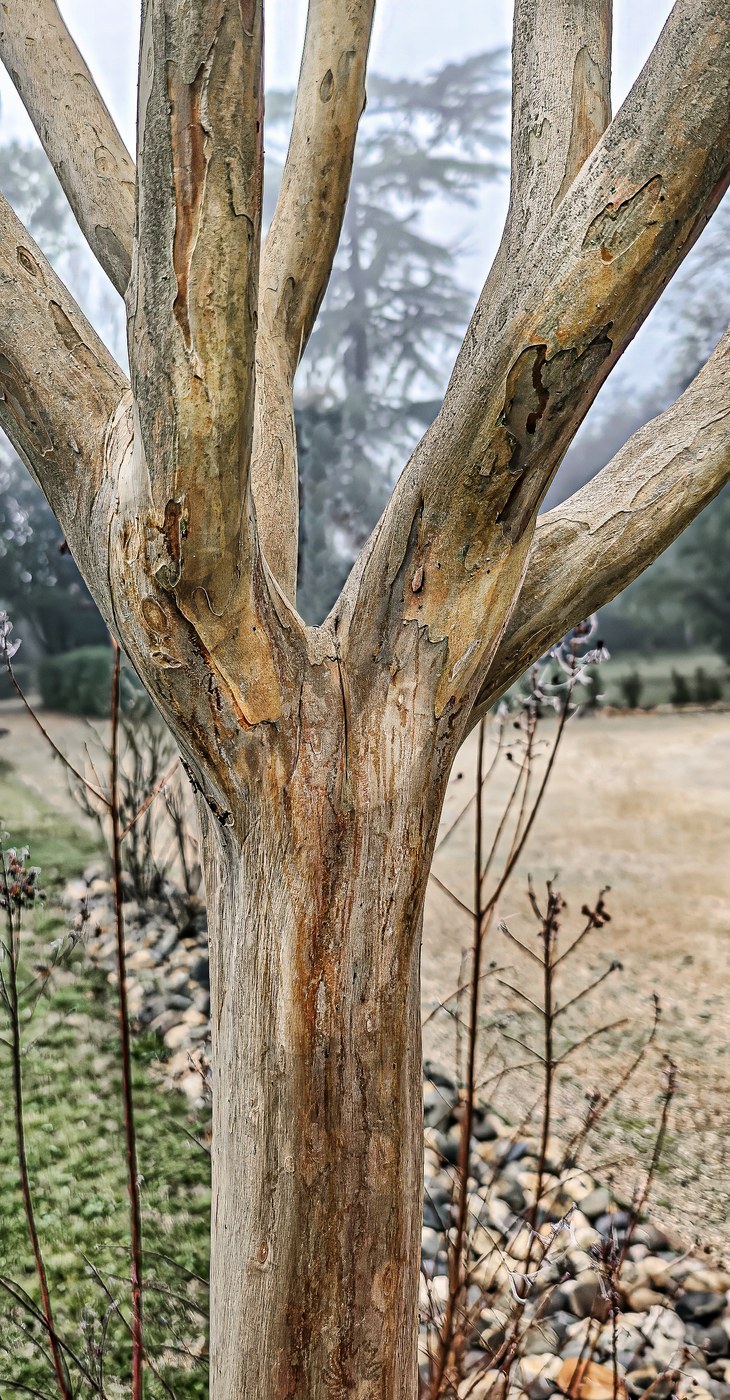
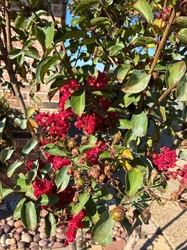
Crepe Myrtle (Lagerstroemia indica) is a beloved deciduous shrub or small tree celebrated for its long-lasting summer flowers with crinkled, crepe-paper petals, its smooth exfoliating bark, and its brilliant autumn foliage. It is easy to grow, drought-tolerant once established, and thrives in hot, sunny conditions.
Light
Full sun is essential for good flowering — give Crepe Myrtle at least six hours of direct sunlight daily, and more is better. Plants grown in shade produce few blooms, grow leggy and open, and are far more susceptible to powdery mildew. Choose the sunniest spot in the garden for the most abundant flowers and the best fall color.
Water
Water young plants regularly through the first two growing seasons to establish deep roots. Once established, Crepe Myrtle is quite drought-tolerant and needs only occasional deep watering during extended dry spells. It blooms best with consistent moisture in summer but tolerates dry conditions well; avoid constantly wet or waterlogged soil, which can cause root problems.
Soil & Potting
Crepe Myrtle adapts to a wide range of soils as long as they are well-drained. It tolerates poor, sandy, or clay soils and a pH from slightly acidic to slightly alkaline, though it prefers moist, fertile, well-drained loam. Improve heavy clay with organic matter and ensure good drainage. Mulch around the base to conserve moisture and suppress weeds, keeping mulch away from the trunk.
Humidity & Temperature
A heat-lover, Crepe Myrtle thrives in warm climates and is generally hardy in USDA zones 7 through 9 (some cultivars to zone 6, where they may die back to the ground and regrow). It flowers on new wood in the heat of summer and revels in long, hot growing seasons. In humid regions, choose mildew-resistant cultivars and site plants for good air circulation.
Feeding
Feed lightly in early spring as new growth begins with a balanced or slightly higher-nitrogen fertilizer to support vigorous flowering growth. Avoid over-fertilizing, which promotes excessive leafy growth at the expense of blooms and can increase disease susceptibility. A single spring feeding is usually sufficient for established plants.
Propagation
Crepe Myrtle propagates readily from softwood cuttings taken in early summer or hardwood cuttings in winter; dip cut ends in rooting hormone and keep them in a moist, well-drained medium. It can also be grown from seed collected from dried capsules, though seedlings vary and take longer to bloom. Suckers and root cuttings are other options for increasing plants.
Repotting / Pruning
Prune in late winter to early spring while dormant, since it flowers on new wood. Remove dead, crossing, or crowded branches, thin out weak twiggy growth, and shape the plant to reveal its attractive bark and structure. Avoid the harmful practice of "topping" (cutting main trunks back to stubs), which ruins the natural form and produces weak, whippy growth — make thinning cuts back to a branch or bud instead. Deadheading spent flower clusters can encourage a second flush of bloom. Dwarf cultivars grow well in large containers; repot every couple of years and refresh the soil.
Common Problems & Pests
Powdery mildew (white coating on leaves and buds) and Cercospora leaf spot are the most common diseases, both worse in shade and poor air circulation — mildew-resistant cultivars and full sun greatly reduce them. Crepe myrtle bark scale, appearing as white or gray felt-like bumps on stems accompanied by black sooty mold, and aphids (which also produce sooty mold) are the main pests. Good siting, sanitation, and prompt treatment of infestations keep plants healthy.
Seasonal Care Tips
Late winter/early spring: Prune for shape and structure and apply a spring feeding as buds swell. Summer: Enjoy the long bloom season; water during drought, deadhead spent clusters for repeat bloom, and monitor for mildew and bark scale. Autumn: Enjoy the red-orange fall foliage; reduce watering as the plant heads toward dormancy. Winter: The plant is dormant and leafless — a fine time to appreciate the smooth bark; protect marginally hardy plants with mulch over the roots in colder zones.
Frequently asked questions
Why isn't my Crepe Myrtle blooming?
The most common cause is too little sun — it needs at least six hours of direct sunlight to flower well. Excess nitrogen fertilizer, or heavy pruning that removed developing wood, can also reduce blooms since flowers form on new growth.
When and how should I prune Crepe Myrtle?
Prune in late winter to early spring while dormant. Thin out dead, crossing, and crowded stems and shape the plant, but never "top" it by cutting trunks to stubs — that ruins the form and creates weak growth.
What is the white powder on my Crepe Myrtle leaves?
That is powdery mildew, a fungal disease favored by shade and poor air circulation. Site plants in full sun with good spacing, and choose mildew-resistant cultivars to avoid it.
Is Crepe Myrtle drought-tolerant?
Yes, once established. Water it regularly for the first two seasons, after which it needs only occasional deep watering in prolonged dry spells while still blooming reliably in summer heat.
Crepe Myrtle identified by the community
Recent Crepe Myrtle specimens identified with Plant Identifier.