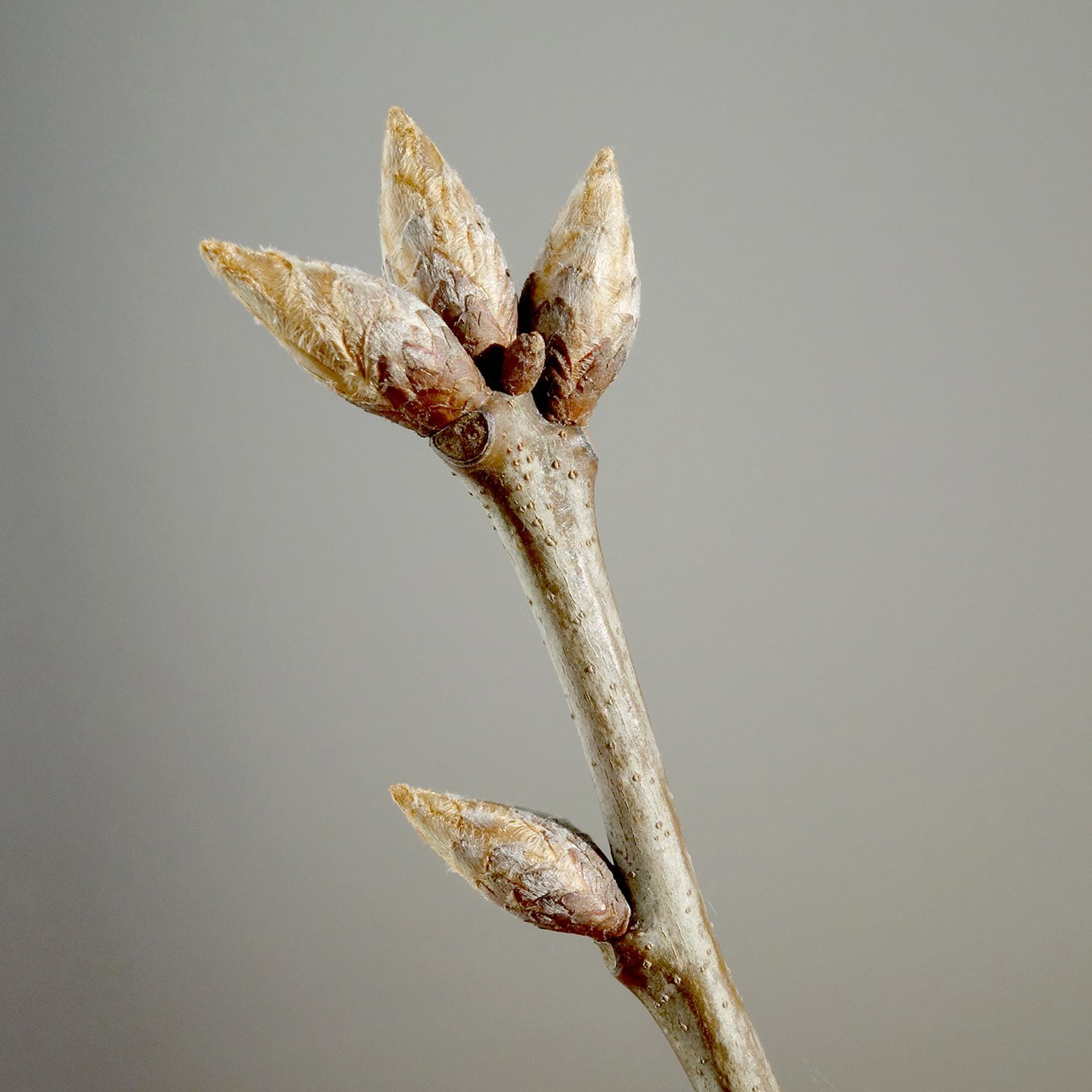
Crepe Myrtle
Lagerstroemia indica
Crepe myrtle is a small deciduous tree or large shrub beloved for its long-lasting, crinkled summer flower clusters, smooth peeling bark, and brilliant fall color, thriving in hot climates.
- Light
- Full sun
- Water
- Low to moderate; drought tolerant
- Difficulty
- Easy
Got a plant like this?
Identify any plant from a photo, free.
Overview
Crepe myrtle (Lagerstroemia indica) is a small flowering tree or large shrub treasured throughout warm regions for its spectacular, long blooming season. The crinkled, crepe-paper-like petals give the plant its common name.
Native to Asia, it has become a defining ornamental of the American South, where it blooms for much of the summer in shades of white, pink, red, and purple.
Beyond flowers, it offers smooth, mottled, exfoliating bark and fiery fall foliage, providing multi-season interest in a compact form.
How to identify it
A multi-stemmed small tree or shrub with showy summer bloom.
- Flowers: large terminal clusters (panicles) of crinkled, ruffled petals in white, pink, red, lavender, or purple; bloom for weeks in summer
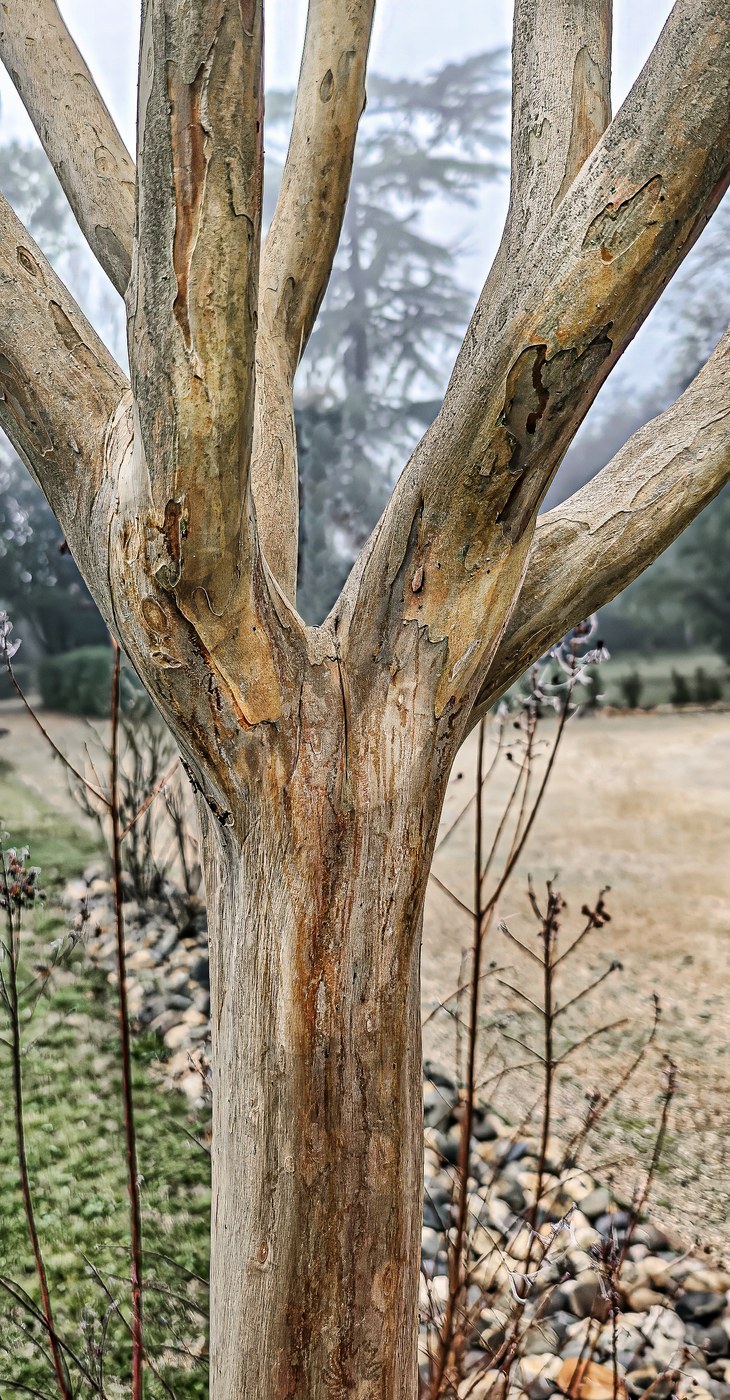
- Bark: smooth, sinewy, and exfoliating, peeling to reveal patches of cinnamon, tan, and gray on mature trunks
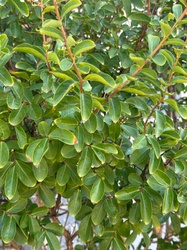
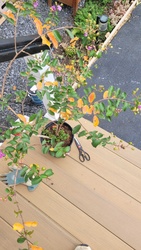
- Leaves: simple, oval, 2-7 cm, glossy green turning vivid orange-red in fall
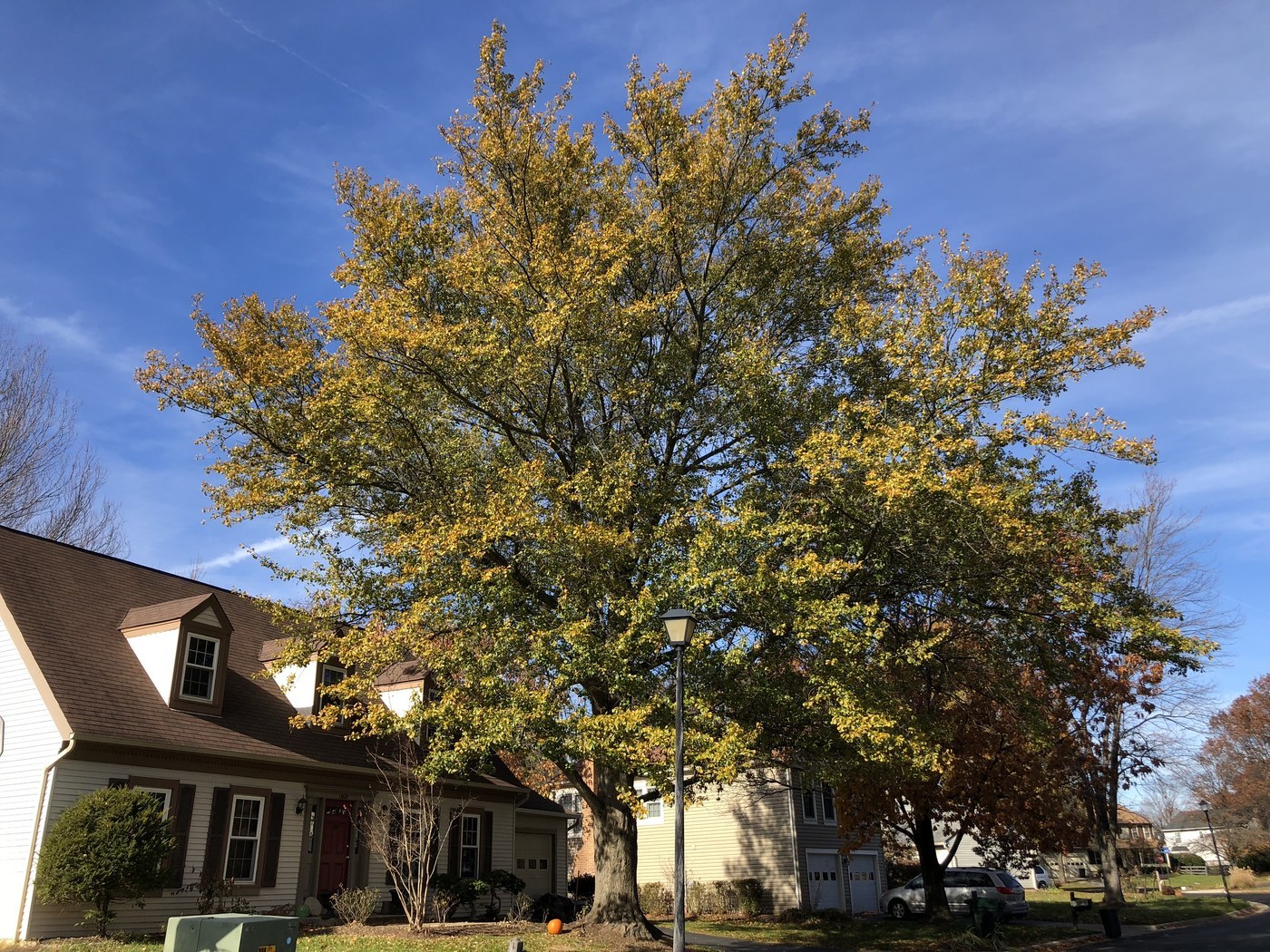
- Habit: often grown with several arching trunks and a vase-shaped crown
- Size: ranges from dwarf shrubs under 1 m to tree forms 6-9 m tall depending on cultivar
Care & growing
Easy and heat-loving once it has sun and good drainage.
- Light: full sun is essential for heavy bloom
- Water: drought tolerant once established; water young plants regularly
- Soil: adaptable, well-drained soil; tolerates a range of pH
- Temperature: hardy in USDA zones 6-9 (some hardy to 7); thrives in summer heat
- Feeding: light spring feeding supports flowering
- Pruning: prune lightly in late winter; avoid "crepe murder" — the harsh topping that ruins the natural form
- Propagation: easily from softwood or hardwood cuttings
Habitat & origin
Native to the Indian subcontinent, Southeast Asia, and China. It has been cultivated for centuries across Asia and was introduced to the southern United States, where it naturalized into a Southern garden icon.
It is widely grown as a street, garden, and patio tree throughout warm-temperate and subtropical regions worldwide, valued for thriving in heat and humidity.
Frequently asked questions
What is "crepe murder"?
It's the common but damaging practice of cutting crepe myrtles back to thick stubs each year. It ruins the graceful natural shape and bark; light, selective pruning is far better.
Why isn't my crepe myrtle blooming?
Most often it's too little sun. Crepe myrtles need full sun for abundant flowers; shade, over-fertilizing with nitrogen, or late hard pruning can also reduce bloom.
How big do crepe myrtles get?
It depends entirely on the cultivar — dwarf types stay under 1 m, while tree forms can reach 6-9 m, so choose a variety sized for your space.
Is crepe myrtle deciduous?
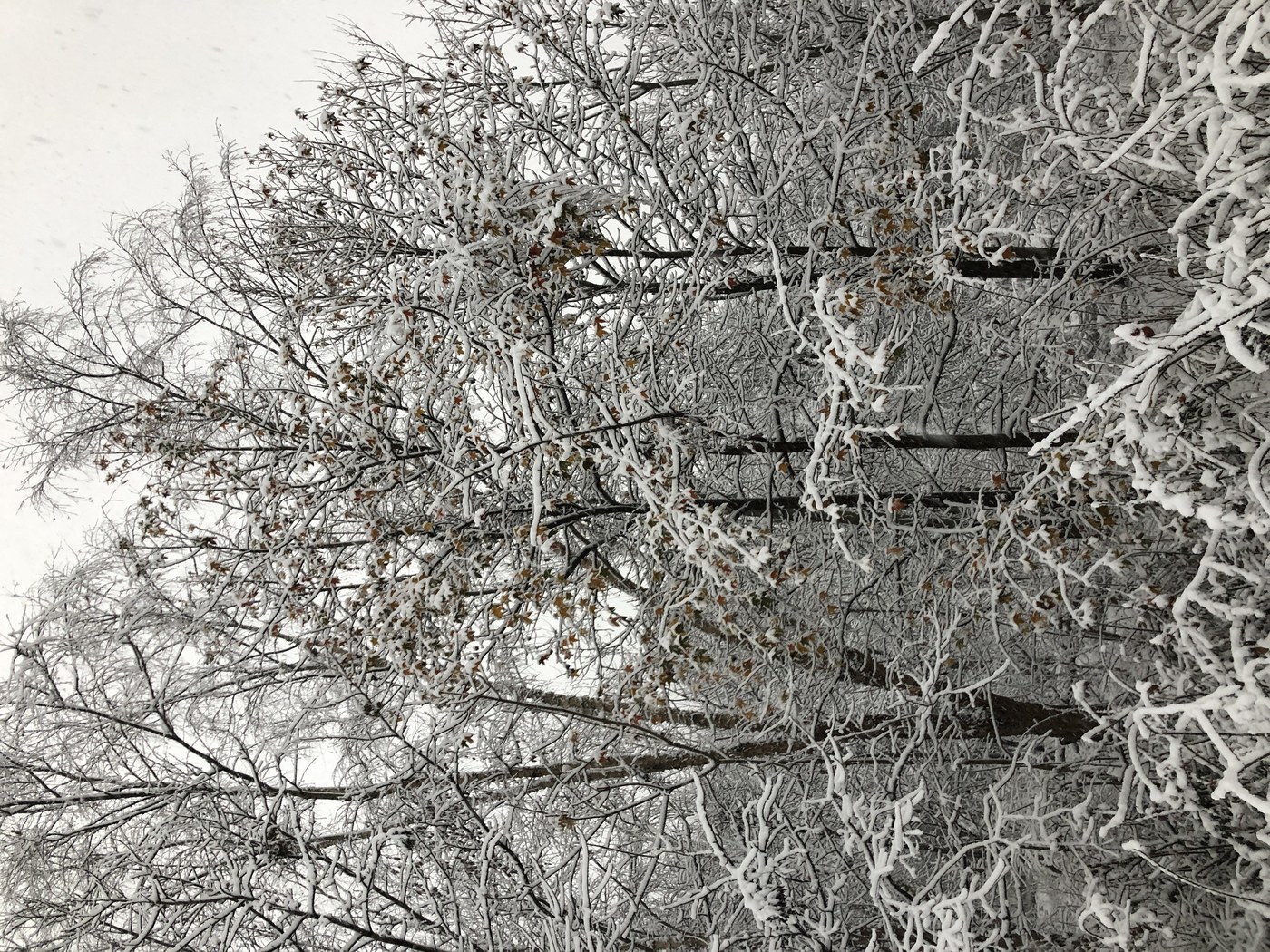
Yes, it drops its leaves in winter, but first puts on a show of orange-to-red fall color and then reveals attractive mottled, peeling bark.
Crepe Myrtle guides
In-depth guides for identifying, growing, and caring for Crepe Myrtle.
How to Care for Crepe Myrtle
Crepe Myrtle rewards full sun with months of crinkled summer blooms, handsome bark, and fiery fall color — easy and drought-tolerant.
Crepe Myrtle Identification Guide
Recognize crepe myrtle by its crinkled crepe-paper summer flowers, smooth mottled exfoliating bark, and small oval leaves.
Crepe Myrtle identified by the community
Real specimens identified with Plant Identifier.