
How to Care for Cumin
Grow cumin as a slender warm-season annual: full sun, quick-draining soil, careful watering, and a long, hot season to mature.
Read the full Cumin encyclopedia entry →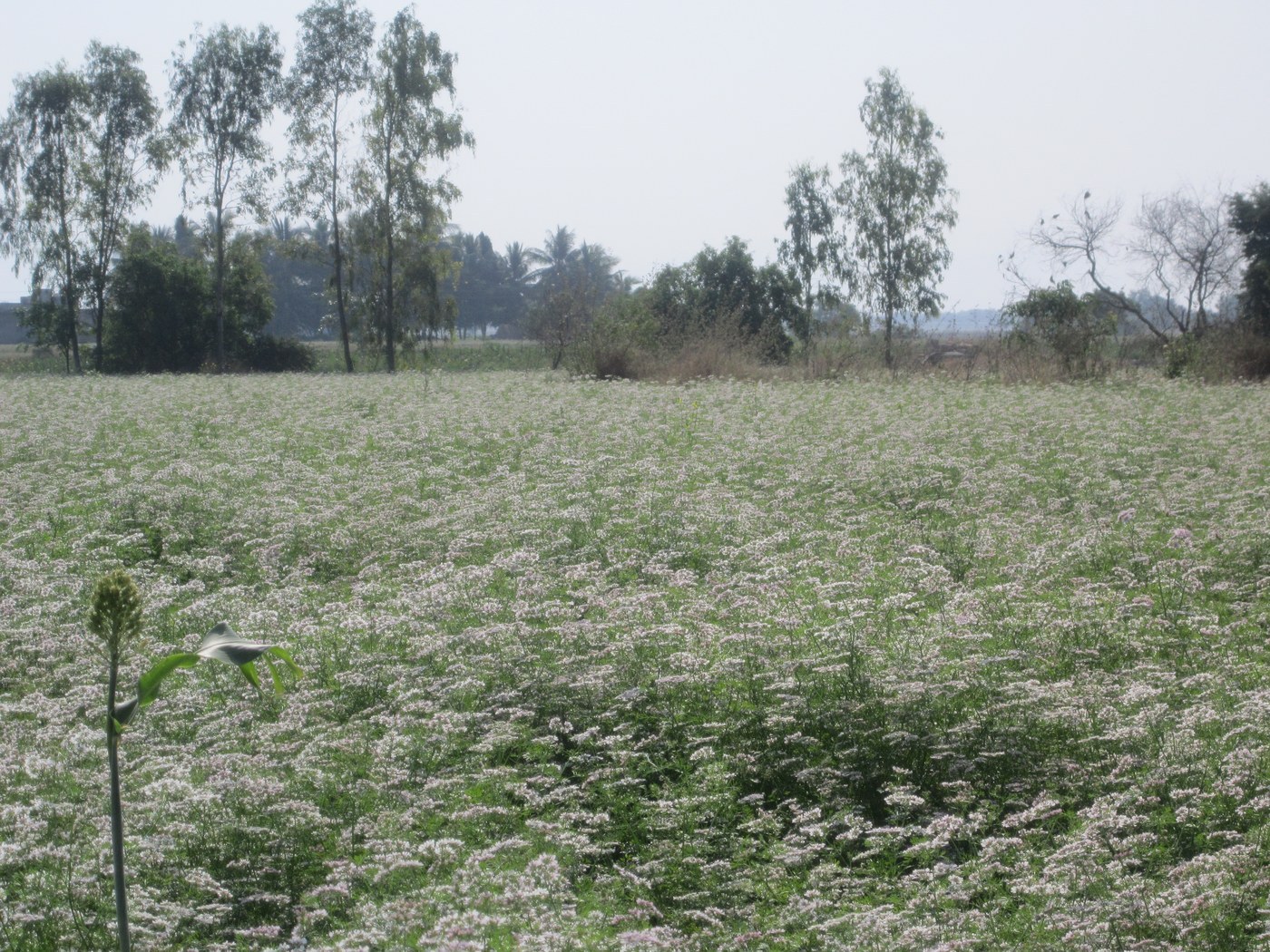
Cumin (Cuminum cyminum) is a delicate, thread-leaved annual in the carrot family, grown as a low, ferny mound that produces lacy umbels of tiny pink-white flowers. It demands a long, warm growing season and behaves best treated like a tender Mediterranean annual.
Light
Give cumin the brightest position you have. Full sun (at least 6-8 hours of direct light daily) is essential for compact, sturdy growth and for the plant to complete its cycle. In dim light it stretches, flops, and rarely matures. Indoors, a south-facing window or a strong grow light is the minimum.
Water
Water moderately and let the top of the soil dry out between waterings. Cumin resents soggy roots and damping-off is a real risk in cool, wet conditions, so aim for evenly moist during germination and early growth, then a drier regime as plants establish. Reduce watering as the umbels form and the plant begins to ripen.
Soil & Potting
Use a light, sandy, fast-draining mix with a near-neutral pH. A sandy loam amended with a little compost for structure is ideal; heavy, water-holding soils cause rot. In containers, choose a pot with generous drainage holes and add extra perlite or coarse sand to keep the mix open.
Humidity & Temperature
Cumin is a heat lover, thriving between 24-30C (75-85F) and needing a frost-free season of roughly three to four months. It dislikes cold, damp air. Moderate to low humidity suits it; muggy, stagnant conditions encourage fungal problems, so give it airflow.
Feeding
Feed lightly. A single dose of balanced fertilizer or a modest amount of compost worked into the bed at planting is usually enough. Over-feeding, especially with high nitrogen, produces lush foliage at the expense of flowering and delays ripening. A dilute feed once mid-season is plenty.
Propagation
Cumin is grown from seed and dislikes transplanting because of its fine taproot. Sow directly where it will grow once soil has warmed, or start in biodegradable pots to minimize root disturbance. Sow shallowly, keep evenly moist, and expect germination in one to two weeks in warm soil.
Repotting / Pruning
As an annual with a taproot, cumin is not repotted; disturbing the roots sets it back. Pruning is unnecessary beyond thinning seedlings to give each plant room. Provide light support if plants flop in wind or rain.
Common Problems & Pests
Damping-off, root rot, and powdery or downy fungal issues are the main threats, all tied to excess moisture and poor airflow, so water carefully and space plants well. Aphids can cluster on soft new growth and umbels; rinse them off or manage with insecticidal soap. Alternaria and fusarium can appear in humid weather.
Seasonal Care Tips
Start cumin only after all frost danger has passed and the soil is thoroughly warm. Give it the whole summer to develop, easing off water as it matures in late season. It cannot survive frost, so it completes its cycle within one warm season and then dies back naturally.
Frequently asked questions
Why is my cumin plant flopping over?
Flopping usually means too little light or too much nitrogen, both of which cause weak, stretched stems. Move it to full sun and go easy on fertilizer; a light stake or support helps top-heavy umbels.
Can I grow cumin in a container?
Yes, use a deep pot with excellent drainage and a sandy mix. Because cumin has a taproot and hates transplanting, sow seeds directly into the final container rather than moving seedlings.
Why won't my cumin seeds germinate?
Cumin needs warm soil, around 24-30C, to sprout. In cool or waterlogged conditions seeds rot instead of germinating. Wait until the season is fully warm and keep the surface just moist, not soaked.
How long does cumin take to mature?
It needs a long, warm season of roughly three to four frost-free months from sowing to ripening, which is why it is best suited to hot summers or a sheltered, sunny spot.