Cumin
Cuminum cyminum
Cumin is a small annual herb in the carrot family grown for its seeds, a widely used culinary spice. It needs a long, hot, sunny season to ripen.
- Light
- Full sun
- Water
- Moderate; let soil dry between waterings
- Difficulty
- Moderate
Got a plant like this?
Identify any plant from a photo, free.
Overview
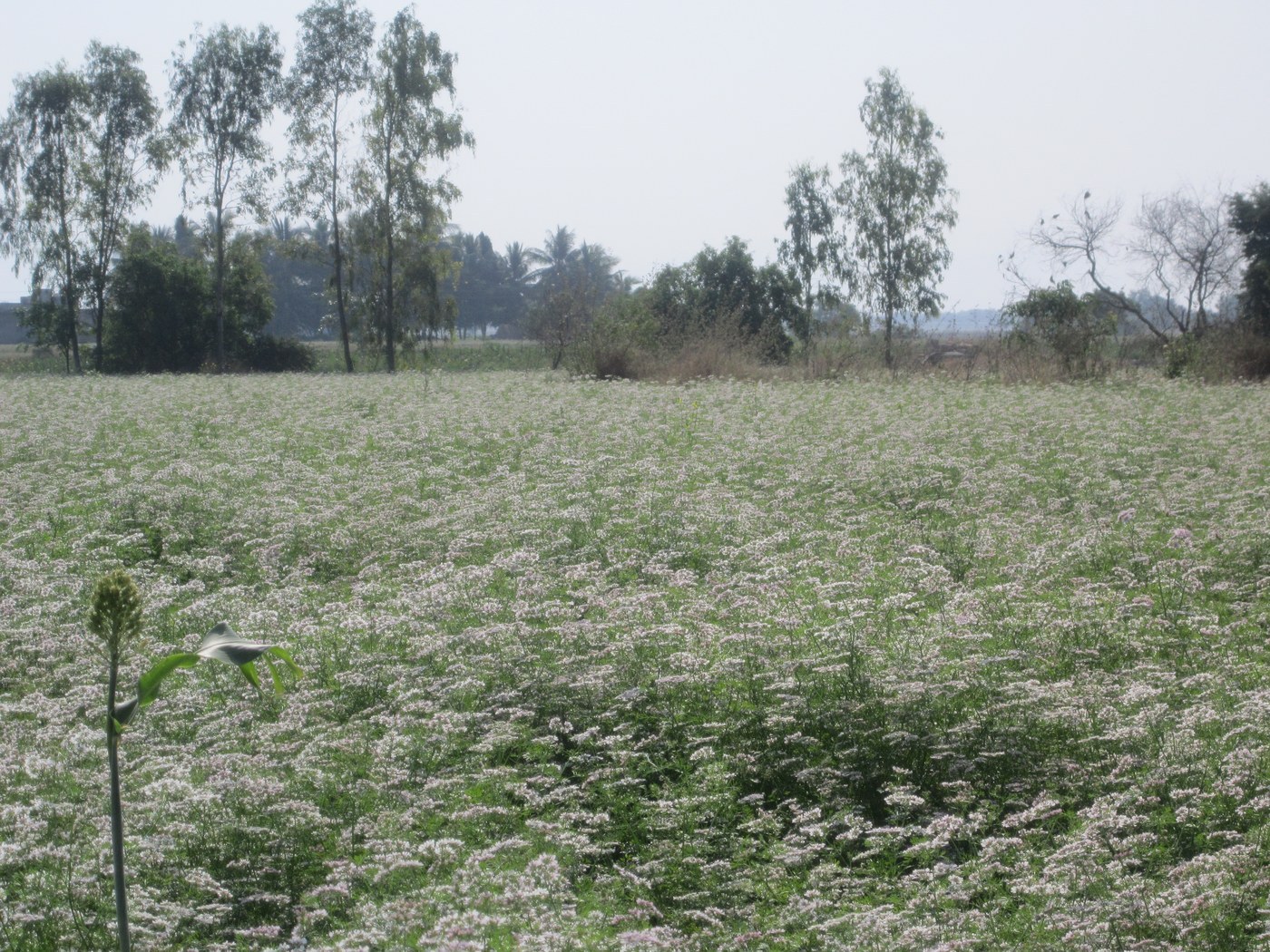
Cumin is a slender annual in the carrot family (Apiaceae), reaching only 30-50 cm tall. It is grown not for its foliage but for its small, ridged seeds (technically dried fruits).
A long-domesticated culinary spice originating in the eastern Mediterranean and South Asia, cumin requires a long, hot, frost-free growing season of around three to four months to flower and ripen seed, which makes it tricky to grow in cool, short-summer climates.
How to identify it
- Leaves: Finely divided, thread-like, deep green, similar to dill or fennel foliage
- Habit: Slender, wispy annual 30-50 cm tall
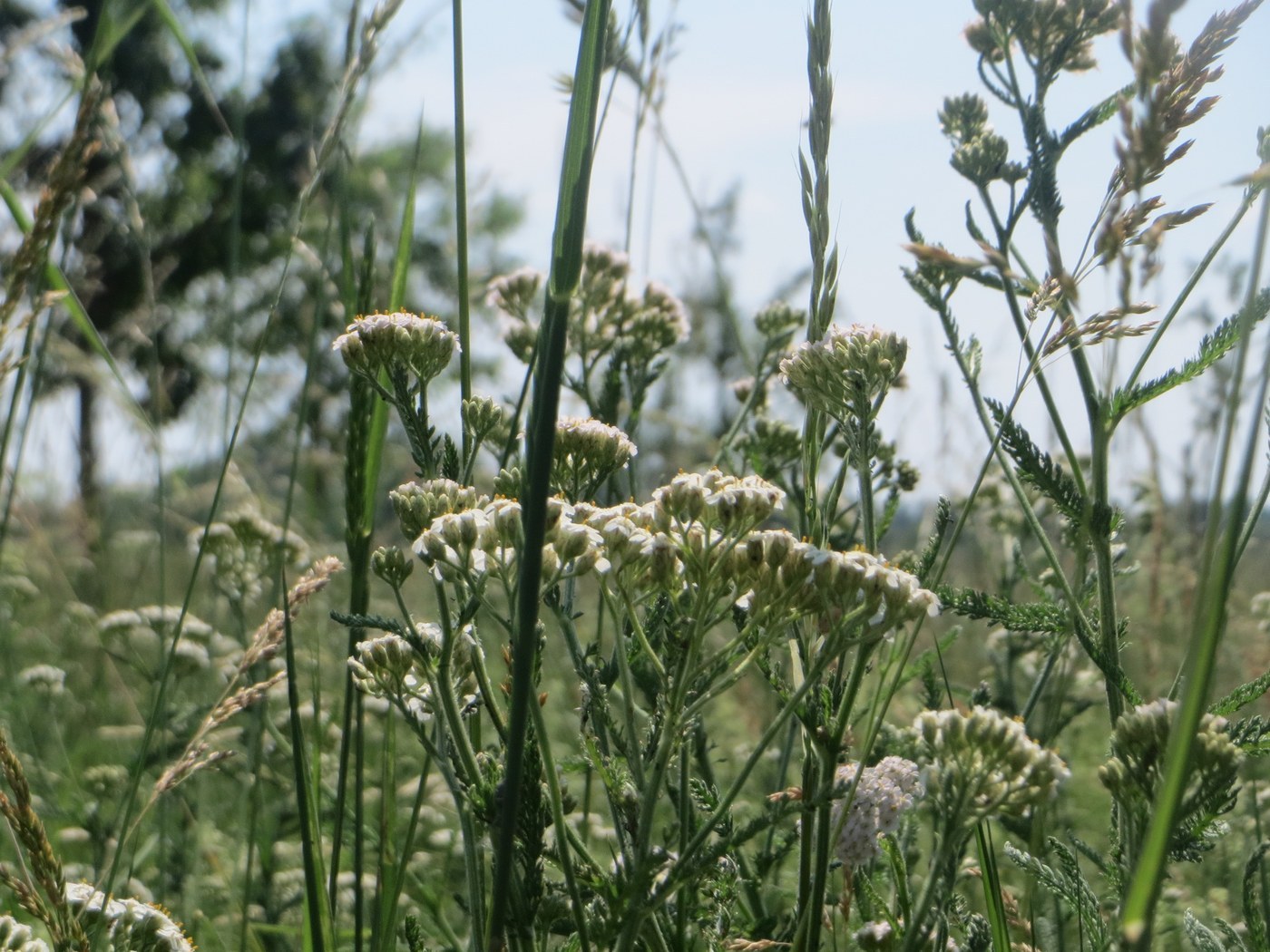
- Flowers: Tiny white or pale pink blooms in small flat-topped umbels, typical of the carrot family
- Seeds: Small, oblong, ridged, yellow-brown 'seeds' (fruits) with a strong aroma
- Aroma: Warm, earthy and pungent
Care & growing
- Light: Full sun
- Water: Moderate; let the topsoil dry between waterings, avoid waterlogging
- Soil: Fertile, well-drained, sandy loam
- Temperature: Needs heat; thrives at 25-30°C and requires a long, frost-free season of 3-4 months
- Feeding: Light feeding early in growth
- Propagation: From seed sown after all danger of frost (or started indoors in cool climates); it transplants poorly, so direct-sow where possible
Habitat & origin
Cumin is native to the eastern Mediterranean, the Middle East and South Asia, and is one of the oldest cultivated spices, known since ancient Egypt and the classical world. It grows best in warm, dry, sunny conditions.
It is cultivated commercially on a large scale in India (the world's leading producer), as well as in the Middle East, North Africa, China and parts of the Americas.
Frequently asked questions
Can I grow cumin in a cool climate?
It is difficult, because cumin needs about 3-4 months of warm, frost-free weather to ripen seed. In cooler areas, start it indoors and grow it in the warmest, sunniest spot, or grow it mainly as a curiosity.
What part of the cumin plant is the spice?
The small dried seeds (botanically fruits), not the feathery foliage.
How tall does cumin grow?
It is a slender annual reaching only about 30-50 cm (12-20 in) tall.
What do cumin flowers look like?
Tiny white or pale pink blooms borne in small flat-topped umbels, typical of the carrot family.
Cumin guides
In-depth guides for identifying, growing, and caring for Cumin.
How to Care for Cumin
Grow cumin as a slender warm-season annual: full sun, quick-draining soil, careful watering, and a long, hot season to mature.
Cumin Identification Guide
Identify the cumin plant by its slender stems, thread-like divided leaves, small white or pink umbrella-shaped flower clusters, and the ridged, aromatic boat-shaped seeds.