How to Care for Curly Dock
Grow Curly Dock (Rumex crispus), a tough perennial with wavy-edged leaves and rusty seed spikes that thrives in full sun and almost any soil.
Read the full Curly Dock encyclopedia entry →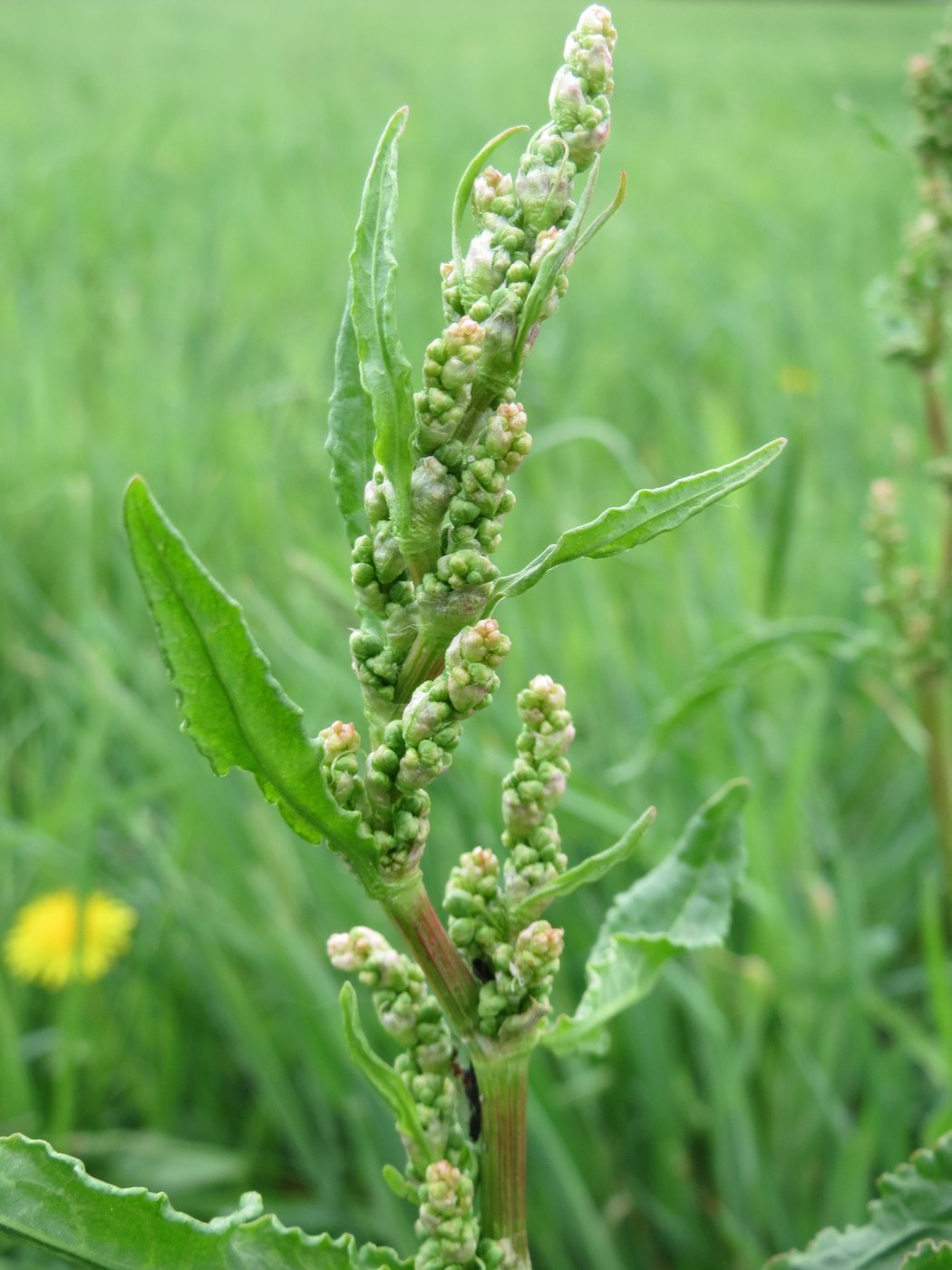
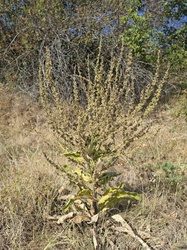
Curly Dock (Rumex crispus) is a hardy herbaceous perennial prized in naturalistic and wildlife plantings for its bold, wavy-margined foliage and striking rust-brown seed spikes that persist into winter. It is one of the most forgiving plants you can grow, adapting to sun, wet or dry ground, and neglect.
Light
Give Curly Dock full sun for the sturdiest rosettes and the most upright, well-colored seed stalks. It will tolerate light or partial shade, but plants stretch and flower less freely in dim spots. Six or more hours of direct sun is ideal.
Water
This is a remarkably adaptable plant when it comes to moisture. It favors consistently moist soils and will flourish along pond edges, ditches, and low ground, yet its deep taproot lets it shrug off summer drought once established. Water new plants regularly for the first season; after that, natural rainfall is usually enough except in prolonged dry spells.
Soil & Potting
Curly Dock is unfussy about soil and grows in clay, loam, or sand, and across a wide pH range. It performs best in fertile, moisture-retentive ground rich in organic matter, but it colonizes poor and compacted soils that defeat pickier plants. If growing in a container, use a deep pot to accommodate the taproot and a heavy, water-retentive potting mix.
Humidity & Temperature
A cool-temperate plant, Curly Dock is extremely cold-hardy and dies back to a resilient taproot in winter, re-emerging in spring. It handles heat but grows most lushly in cool, moist conditions and may look tired in the heat of high summer. No special humidity is needed.
Feeding
Feeding is rarely necessary; Curly Dock thrives on native soil fertility. In poor ground, a spring topdressing of compost or a light dose of balanced general-purpose fertilizer will produce larger leaves and stronger flower stalks. Avoid heavy feeding, which only encourages coarse, floppy growth.
Propagation
The easiest route is by seed, which the plant produces in enormous quantities. Sow fresh seed on the soil surface in autumn or spring; it germinates readily with light and moisture and needs no special treatment. Established crowns can also be divided in early spring, though the deep taproot makes lifting mature plants difficult. To limit self-sowing, cut off the seed spikes before they ripen.
Repotting / Pruning
Container plants can be repotted in early spring into deeper pots as the taproot develops. In the garden, cut spent flowering stalks to the base to tidy the plant and prevent unwanted seedlings, or leave them standing for winter structure and to feed birds. Removing older, tattered outer leaves keeps rosettes looking fresh.
Common Problems & Pests
Curly Dock is seldom troubled by serious pests. Leaves may be chewed by beetles or caterpillars, and rust and leaf-spot fungi can speckle foliage in humid weather; both are cosmetic and rarely warrant treatment. Improve airflow and remove badly marked leaves if disease is unsightly. The plant's main drawback is its vigor: it self-sows freely and its deep taproot makes it hard to remove once settled.
Seasonal Care Tips
In spring, thin crowded seedlings and topdress poor soils with compost. Through summer, water during drought to keep foliage lush, and deadhead if you want to prevent spread. In autumn the seed spikes turn a handsome rust color; leave them for winter interest or cut them back for tidiness. The plant is fully dormant in winter and needs no attention.
Frequently asked questions
Does Curly Dock need full sun?
It grows best in full sun, which produces the sturdiest rosettes and most upright seed stalks. It tolerates part shade but flowers less and tends to stretch in dim conditions.
How much water does Curly Dock need?
It prefers moist soil and thrives in wet, low ground, but its deep taproot makes it drought-tolerant once established. Water new plants regularly the first season, then rely mostly on rainfall.
How do I stop Curly Dock from spreading?
Cut off the seed spikes before they ripen to prevent self-sowing. The plant produces abundant seed, so removing spent flower stalks in summer is the simplest way to keep it in check.
Can I grow Curly Dock in a pot?
Yes, but use a deep container to accommodate its long taproot and a heavy, moisture-retentive mix. Repot into a deeper pot in early spring as the root develops.
Curly Dock identified by the community
Recent Curly Dock specimens identified with Plant Identifier.