Curly Dock
Rumex crispus
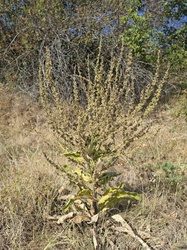
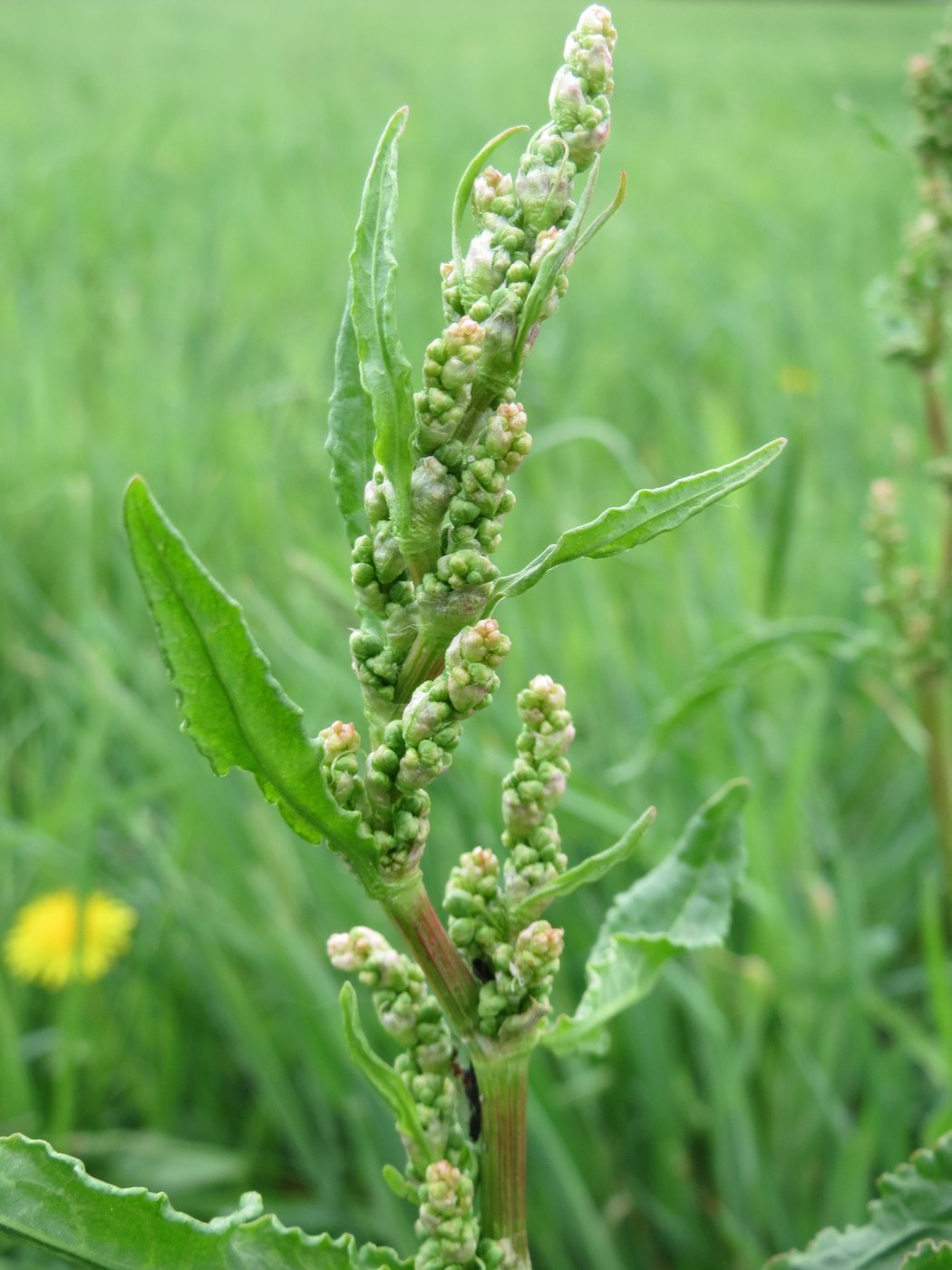
Curly dock is a hardy perennial weed with long, wavy-edged leaves and tall rusty-brown seed stalks. Its deep taproot makes it persistent and difficult to remove.
- Light
- Full sun
- Water
- Moist soils; tolerates wet and dry
- Difficulty
- Easy
Got a plant like this?
Identify any plant from a photo, free.
Overview
Curly dock (Rumex crispus), also called yellow dock, is a perennial herb native to Europe and Asia and naturalized worldwide. It is named for its long, narrow leaves with distinctively wavy or curled margins and is a familiar weed of fields, roadsides, and gardens.
The plant develops a stout, deep taproot that makes it drought-tolerant and difficult to remove. In summer its flower stalks turn from green to a conspicuous rusty brown as the papery seeds mature, and the dead stalks often persist into winter.
How to identify it
Recognize curly dock by its wavy-edged lance-shaped leaves and rusty-brown seed stalks.
- Leaves: Long, narrow, lance-shaped with strongly curled or wavy margins; basal leaves can be a foot long
- Seed stalks: Tall (2-4 feet) clusters of small flowers that ripen to rusty-brown papery seeds
- Roots: Stout, deep, yellowish taproot
- Habit: Clump-forming perennial from a basal rosette
- Seasonality: Dead brown stalks often remain standing through winter
Care & growing
Managed as a persistent perennial weed.
- Control: Dig out the entire taproot; cutting alone causes regrowth
- Timing: Remove before seeds mature, as a single plant produces thousands of seeds
- Cultural: It favors moist, compacted, fertile soils, so improving drainage helps
- Persistence: Even small fragments of taproot left behind can resprout
Habitat & origin
Native to Europe and western Asia, curly dock has naturalized across North America, Australia, and most temperate regions.
It grows in moist, disturbed, sunny ground: fields, pastures, roadsides, ditches, gardens, and waste places. It tolerates poor, compacted, and seasonally wet soils and is a common pasture and cropland weed.
Frequently asked questions
Why is curly dock so hard to remove?
It has a stout, deep taproot that resprouts if only the top is cut, so you must dig out the entire root to eliminate it.
How do you identify curly dock in winter?
Its tall, rusty-brown seed stalks often remain standing through winter, making the dead plants easy to spot in fields and along roadsides.
What does curly dock look like?
It has long, narrow, lance-shaped leaves with strongly curled or wavy margins growing from a basal rosette, plus tall 2-4 ft stalks of small flowers that ripen to rusty-brown papery seeds.
Where does curly dock grow?
It favors moist, disturbed, sunny ground such as fields, roadsides, ditches, gardens, and waste places, tolerating poor and compacted soils.
Curly Dock guides
In-depth guides for identifying, growing, and caring for Curly Dock.
How to Care for Curly Dock
Grow Curly Dock (Rumex crispus), a tough perennial with wavy-edged leaves and rusty seed spikes that thrives in full sun and almost any soil.
Curly Dock Identification Guide
Identify curly dock (Rumex crispus) by its long wavy-curled-edged leaves, papery sheaths at the leaf nodes, and tall rusty-brown seed stalks.
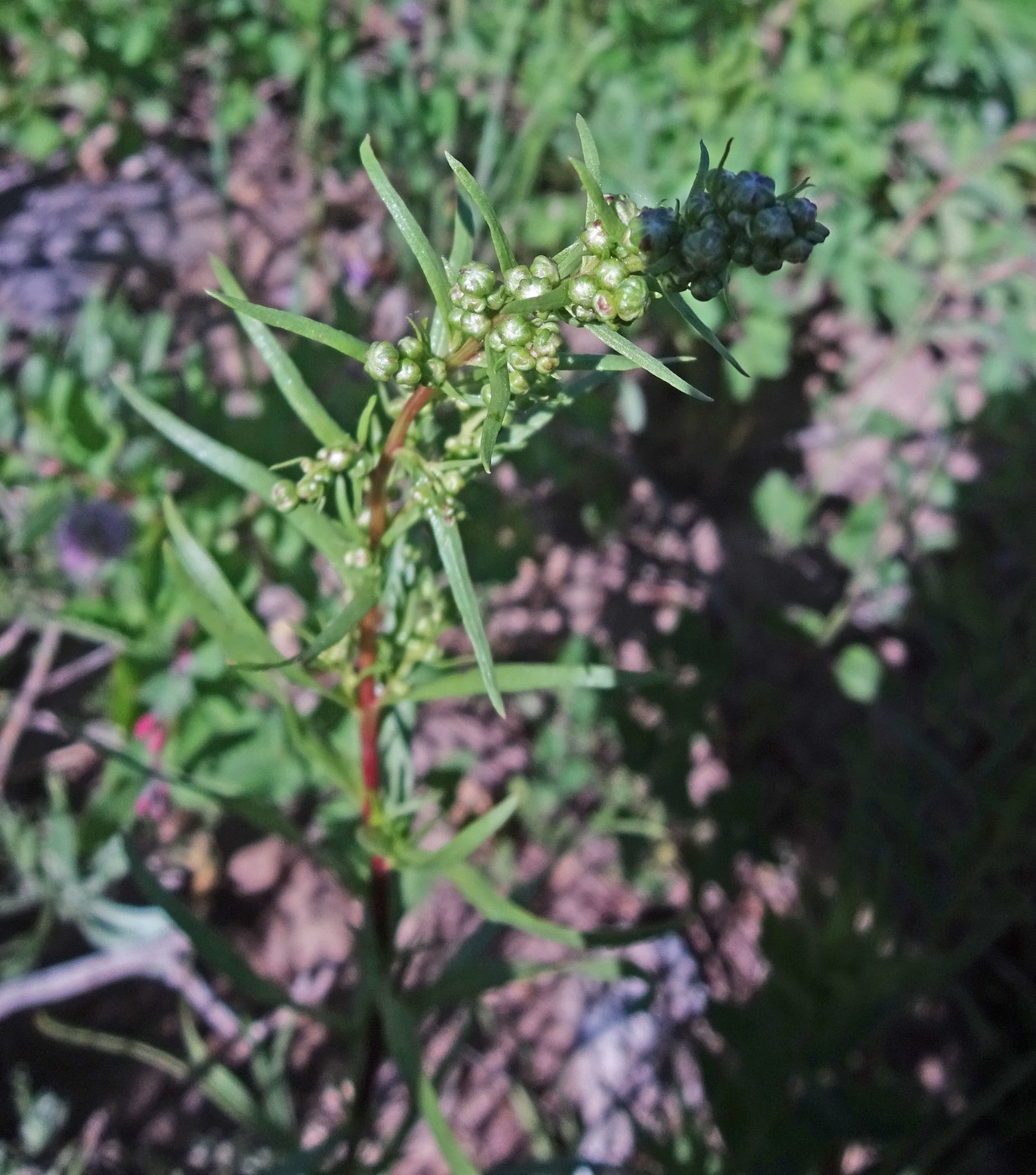
Curly Dock identified by the community
Real specimens identified with Plant Identifier.