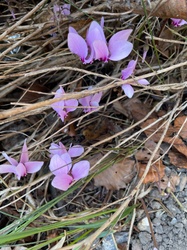
How to Care for Cyclamen
Master cool temperatures, bottom watering, and the summer dormancy of Cyclamen persicum for months of upswept blooms in this full care guide.
Read the full Cyclamen encyclopedia entry →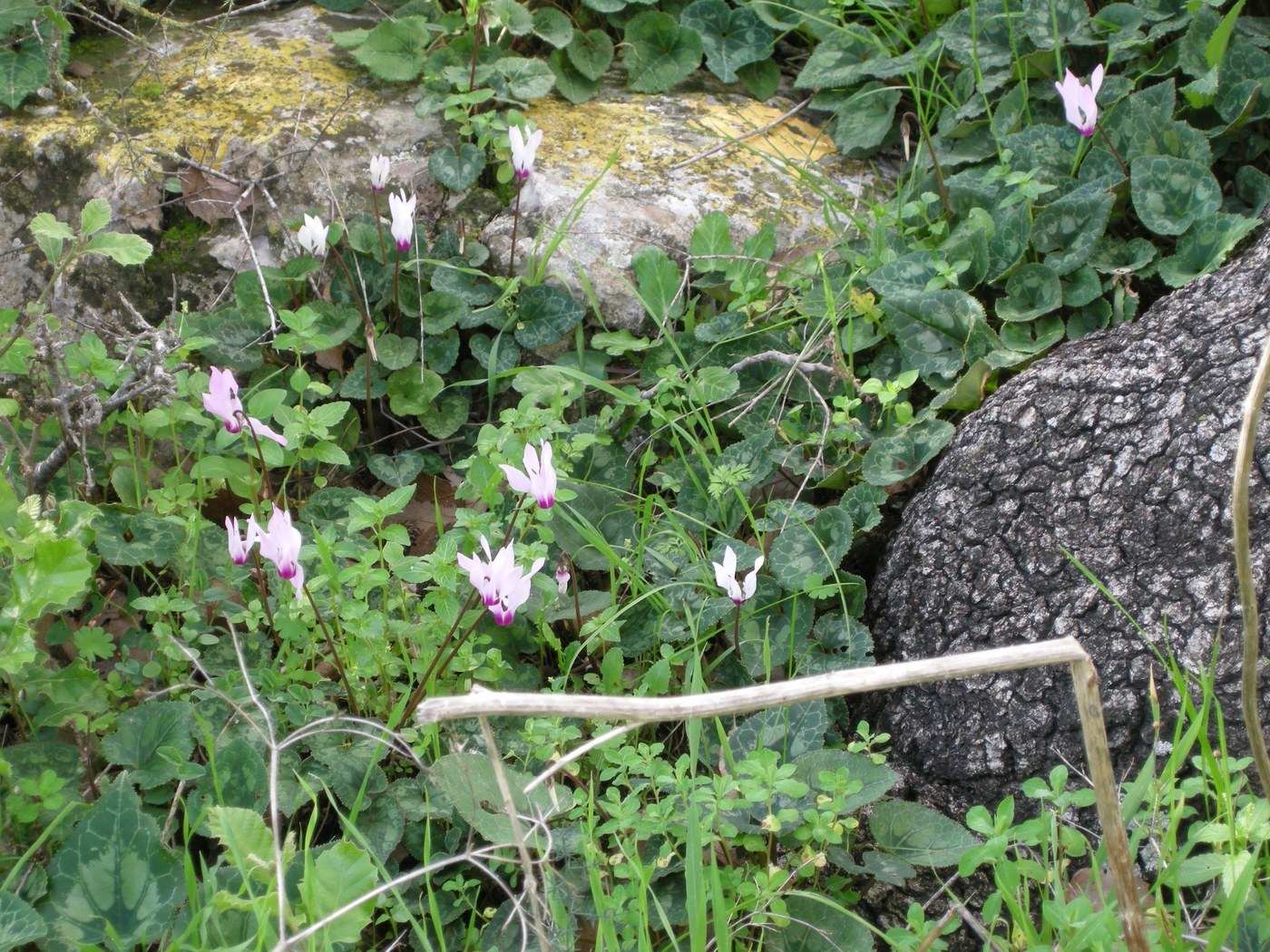
Cyclamen (Cyclamen persicum) is a tuberous flowering plant famous for its heart-shaped, silver-marbled leaves and elegant upswept blooms in white, pink, red, and purple. It is a cool-season grower with a distinct summer rest period, and understanding that rhythm is the key to success.
Light
Provide bright, indirect light. An east or north-facing window is ideal, or a bright spot shielded from harsh direct sun that can scorch leaves and shorten bloom life. Good light keeps growth compact and flowering strong during the cool months.
Water
Keep the soil moist while the plant is actively growing, and water from below to keep the crown and tuber dry. Set the pot in a tray of water for 15-30 minutes, then drain thoroughly. Water splashed onto the crown invites rot. Let the surface dry slightly between waterings and never let the tuber sit in soggy soil.
Soil & Potting
Use a free-draining, humus-rich potting mix; a peat-free mix with added grit or perlite works well. Plant the tuber so its top sits at or just above the soil surface to reduce crown rot. A pot with drainage holes is essential.
Humidity & Temperature
Cyclamen loves cool conditions, ideally 10-16C (50-60F). Warm rooms above about 20C push it prematurely into dormancy and cause floppy, yellowing leaves. Keep it away from radiators and hot windows. Moderate humidity suits it; stand the pot on a pebble tray rather than misting the foliage.
Feeding
Feed every two to four weeks during active growth and flowering with a dilute balanced or low-nitrogen, bloom-oriented liquid fertilizer. Too much nitrogen yields leafy growth at the expense of flowers. Stop feeding as the plant begins its summer rest.
Propagation
Cyclamen is most reliably propagated from seed, sown in autumn in the dark and kept cool and moist; germination is slow. Unlike many tubers, cyclamen tubers do not divide well, so seed is the standard method for new plants.
Repotting / Pruning
Repot in late summer as the tuber breaks dormancy, using fresh mix and keeping the tuber crown proud of the soil. Remove spent flowers and yellowing leaves by twisting and pulling the stalk cleanly from the base rather than cutting, which leaves stubs that can rot.
Common Problems & Pests
Grey mould (botrytis) and crown or tuber rot are the main threats, almost always from overhead watering or overly wet, warm conditions. Watch for vine weevil grubs in the tuber, plus aphids and cyclamen mites on new growth. Yellowing leaves in a warm room usually signal the onset of dormancy, not a disease.
Seasonal Care Tips
Cyclamen blooms from autumn through spring. As temperatures rise in late spring, leaves yellow and the plant enters dormancy; reduce watering and let it dry, then store the pot somewhere cool and dry over summer. Resume watering in late summer when new growth appears to begin the cycle again.
Frequently asked questions
Why is my cyclamen turning yellow and drooping?
Most often the plant is either too warm or entering its natural summer dormancy. Move it to a cooler, brighter spot; if it is late spring, ease off watering and let it rest, then restart in late summer.
Why should I water cyclamen from below?
Water sitting on the crown and tuber easily causes rot. Bottom watering keeps the crown dry while letting the roots drink. Soak the pot in a shallow tray, then drain fully.
Is my cyclamen dead when the leaves die back in summer?
No. Summer dieback is normal dormancy for the tuber. Keep the pot cool and mostly dry, then resume watering and feeding in late summer when fresh leaves emerge.
How do I get my cyclamen to keep blooming?
Keep it cool and bright, water from below to avoid crown rot, feed lightly with a bloom fertilizer, and remove spent flowers by twisting them out at the base to encourage more buds.
Cyclamen identified by the community
Recent Cyclamen specimens identified with Plant Identifier.