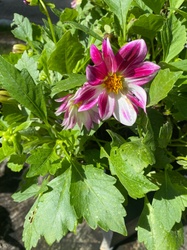
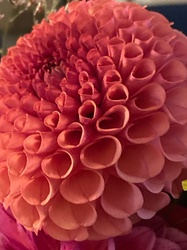
How to Care for Dahlia
Grow Dahlia (Dahlia pinnata) for showy summer-to-fall blooms in full sun with rich, well-drained soil and deep, regular watering.
Read the full Dahlia encyclopedia entry →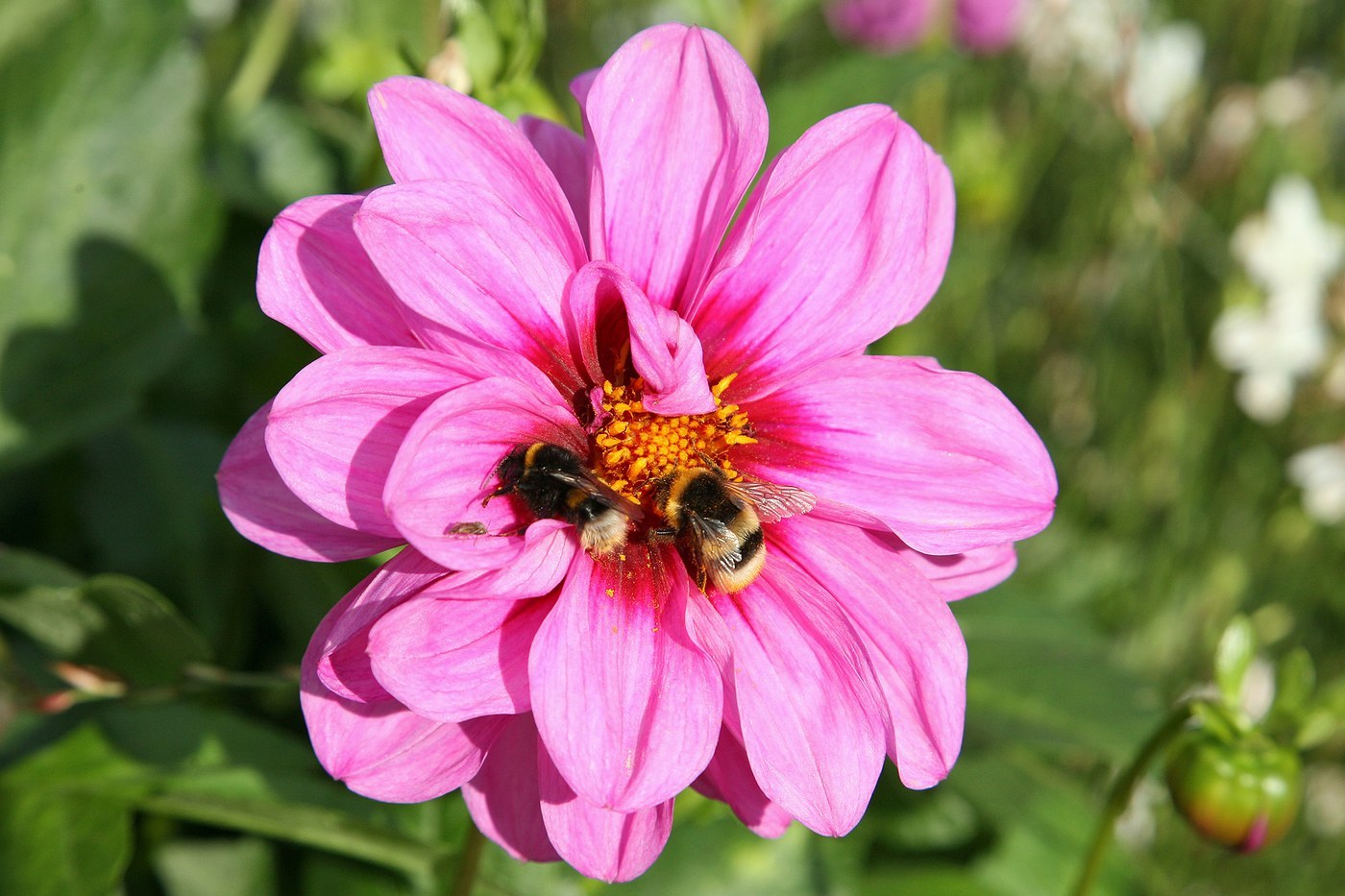
Dahlias (Dahlia pinnata) are tuberous-rooted perennials grown for their spectacular, long-lasting blooms in nearly every color and form, from tiny pompons to dinner-plate giants. They flower from midsummer until frost and reward attentive watering, feeding, and deadheading with an unmatched display, placing them at a moderate care level.
Light
Dahlias need full sun — a minimum of 6–8 hours of direct light produces the strongest stems and the most flowers. In too little light, plants grow tall and floppy and bloom poorly. In very hot climates a little afternoon shade can prevent flower scorch, but everywhere else, choose the sunniest spot available.
Water
Water regularly and deeply once plants are established and growing, aiming to keep the soil evenly moist but never waterlogged. Deep soakings a few times a week are far better than frequent shallow sprinkles. Newly planted tubers, however, need little water until sprouts emerge, since wet, dormant tubers rot easily. Increase watering as plants leaf out and bloom heavily through summer heat.
Soil & Potting
Plant in rich, fertile, well-drained soil generously amended with compost. Heavy clay that holds water will rot tubers, so improve drainage with organic matter or grow in raised beds. Set tubers about 10–15 cm deep with the growing eye facing up. For containers, use a large, deep pot with a quality mix and ensure ample drainage holes.
Humidity & Temperature
Dahlias are warm-season growers that thrive in mild-to-warm temperatures and are sensitive to frost, which kills the top growth. Plant tubers outdoors only after all danger of frost has passed and the soil has warmed. Good air circulation helps prevent foliar disease in humid conditions. In cold-winter regions the tubers are typically lifted and stored dry over winter.
Feeding
Feed with a fertilizer relatively low in nitrogen and higher in phosphorus and potassium to promote blooms rather than excessive leafy growth. Begin feeding a few weeks after sprouts emerge and continue every 3–4 weeks through the growing season, stopping in late summer to early fall. Too much nitrogen yields lush foliage, weak stems, and fewer flowers.
Propagation
The easiest method is dividing tuber clumps in spring: separate individual tubers, making sure each division includes a piece of the crown with at least one visible growing eye, since tubers without an eye will not sprout. Dahlias can also be grown from basal cuttings taken from sprouting tubers in early spring, or from seed, though seed-grown plants vary from the parent.
Repotting / Pruning
Pinch out the growing tip when young plants reach about 30–40 cm tall to encourage bushier growth and more flowering stems. Stake tall varieties early, before they need it, to support heavy blooms. Deadhead spent flowers continually to keep new buds coming — removing faded blooms is the single most effective way to prolong the display. For larger individual flowers, disbud by removing the smaller side buds around each main bud.
Common Problems & Pests
Slugs and snails attack young shoots — protect emerging sprouts. Aphids, spider mites, and thrips can infest foliage and buds; treat with insecticidal soap or a strong water spray. Powdery mildew appears in humid, crowded conditions, so space plants for airflow. The most common failure is tuber rot from planting into cold, wet soil or overwatering dormant tubers. Floppy plants usually need more light and staking.
Seasonal Care Tips
In spring, plant tubers after frost, or start them early indoors for a jump on the season. Through summer, water deeply, feed, stake, and deadhead relentlessly for continuous bloom. In fall, enjoy peak flowering until the first frost blackens the foliage. In cold climates, cut back the stems after frost, lift the tubers, cure them, and store them in a cool, dry, frost-free place over winter; in mild climates they can overwinter in the ground with mulch.
Frequently asked questions
Why isn't my dahlia blooming?
The usual causes are too little sun, too much nitrogen fertilizer, or failing to deadhead. Give dahlias at least 6–8 hours of direct sun, switch to a low-nitrogen bloom feed, and remove spent flowers regularly to keep new buds forming.
Should I stake my dahlias?
Yes, especially for tall and large-flowered varieties. Insert stakes at planting time so you don't damage the tubers later, and tie stems loosely as they grow — the heavy blooms will otherwise flop or snap.
How do I overwinter dahlia tubers?
In cold climates, wait until frost blackens the foliage, cut back the stems, and carefully dig up the tuber clumps. Brush off soil, let them cure a few days, and store them in a cool, dark, frost-free spot in slightly moist packing material until spring.
When should I pinch my dahlias?
Pinch out the central growing tip when plants reach about 30–40 cm tall. This encourages branching, giving you a bushier plant with more flowering stems rather than one tall central stalk.
Dahlia identified by the community
Recent Dahlia specimens identified with Plant Identifier.