Dahlia
Dahlia pinnata
A tuberous flower prized for spectacular, intricate blooms ranging from small pompoms to dinner-plate giants. Dahlias bloom from summer to frost in a huge color range.
- Light
- Full sun
- Water
- Regular; deep watering
- Difficulty
- Moderate
Got a plant like this?
Identify any plant from a photo, free.
Overview
Dahlias are tuberous perennials grown for their dazzling, geometrically intricate flowers that come in an astonishing range of sizes, forms, and colors. They are a highlight of late-summer and autumn gardens.
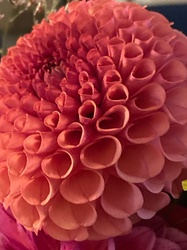
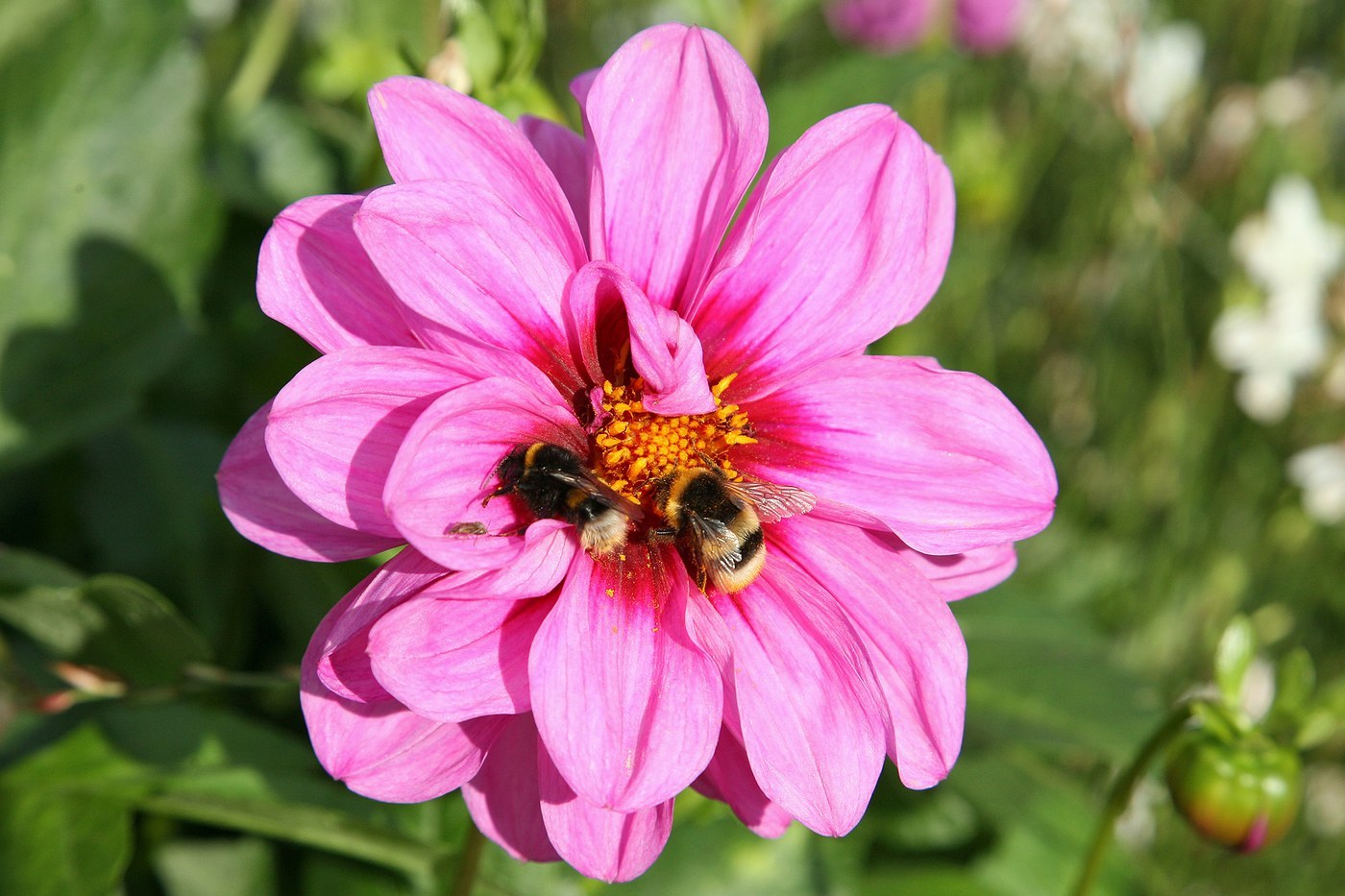
Flower forms span singles, cactus, pompom, waterlily, and the famous "dinner-plate" types up to a foot across, in every hue except true blue.
Grown from tubers planted in spring, dahlias flower prolifically until frost and are favorites of cut-flower gardeners and exhibition growers alike.
How to identify it
Identify a dahlia by:
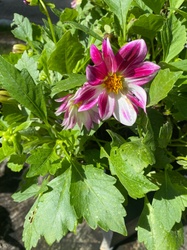
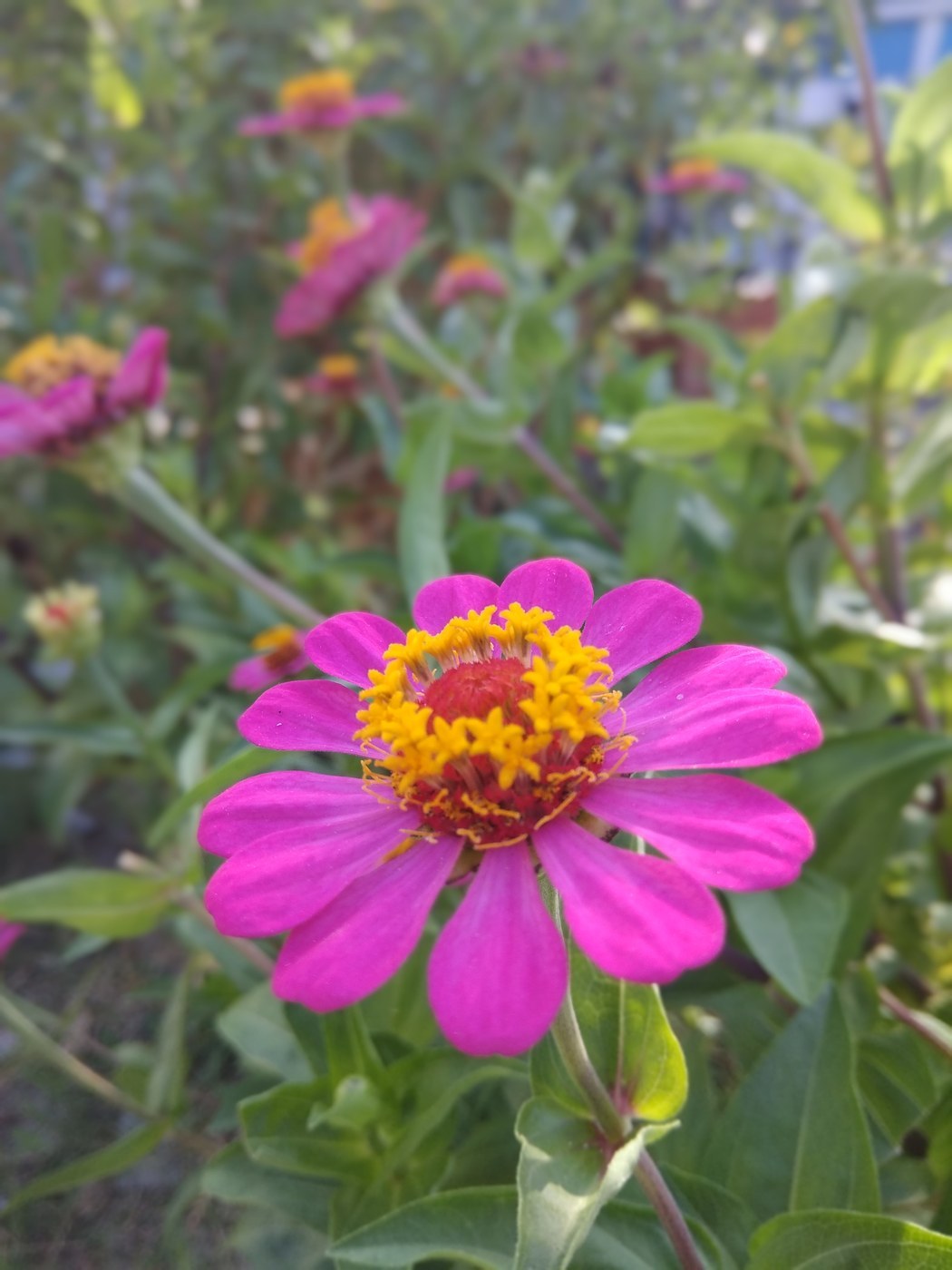
- Flowers: Large, symmetrical composite blooms in diverse forms (ball, cactus, decorative, single) and vivid colors.
- Foliage: Divided, mid- to dark-green leaves, sometimes with dark or bronze tints.
- Habit: Upright bushy plant from 1 to 6 feet tall depending on type.
- Roots: Fleshy underground tubers that store energy and are lifted in cold climates.
- Bloom time: Mid-summer through to the first frost.
Care & growing
Dahlias reward sun, feeding, and support.
- Light: Full sun, at least 6-8 hours, for strong stems and abundant flowers.
- Water: Water deeply and regularly once established and growing; avoid soaking newly planted tubers, which can rot.
- Soil: Rich, well-drained soil; tall types need staking.
- Temperature: Frost-tender; in cold climates lift and store tubers over winter, replanting after frost.
- Feeding: Feed with a low-nitrogen, bloom-promoting fertilizer during growth.
- Propagation: Divide tubers in spring or take basal cuttings; deadhead regularly for continuous bloom.
Habitat & origin
Dahlias are native to Mexico and Central America, growing in upland and mountainous regions; the dahlia is the national flower of Mexico.
Introduced to Europe in the late 1700s, they were extensively hybridized into the thousands of cultivars known today. Dahlias are now grown worldwide as garden and cut flowers, thriving in temperate climates with warm summers.
Frequently asked questions
Do I need to dig up dahlia tubers in winter?
In climates with hard frosts, yes; lift and store the tubers in a cool, dry place over winter, then replant in spring. In frost-free areas they can stay in the ground.
Why are my dahlias not blooming?
Too little sun, excess nitrogen fertilizer, or failure to deadhead can all reduce flowering; full sun and regular removal of spent blooms help.
How do I get bigger dahlia flowers?
Disbudding (removing the smaller side buds) channels energy into the central bloom, producing larger flowers, especially in dinner-plate varieties.
Are dahlias perennial?
Dahlias are tender perennials grown from tubers; they return yearly in mild climates but are treated as lift-and-store plants where winters freeze.
Dahlia guides
In-depth guides for identifying, growing, and caring for Dahlia.
How to Care for Dahlia
Grow Dahlia (Dahlia pinnata) for showy summer-to-fall blooms in full sun with rich, well-drained soil and deep, regular watering.
Dahlia Identification Guide
Identify dahlias by their large symmetrical flower heads in many forms, compound toothed leaves, hollow stems, and tuberous roots.
Dahlia identified by the community
Real specimens identified with Plant Identifier.