
How to Care for Daisy
Grow classic Daisy (Bellis perennis) with sun to part shade, steady moisture, and regular deadheading for cheerful spring blooms.
Read the full Daisy encyclopedia entry →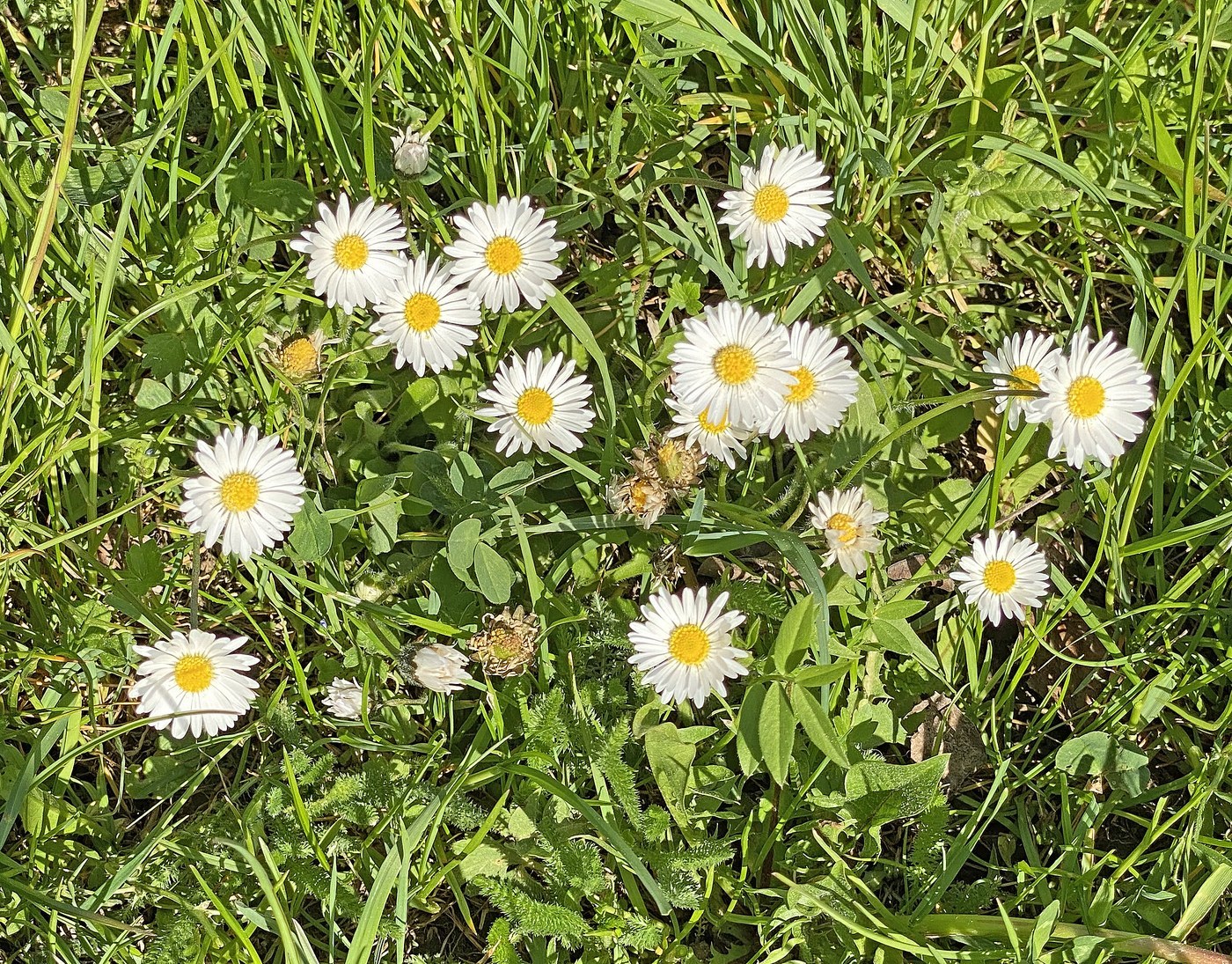
The Daisy (Bellis perennis), often called the English or lawn daisy, is a low-growing, cheerful little plant with rosettes of spoon-shaped leaves and charming button flowers in white, pink, or red. Easy and cool-loving, it is a classic for edging, containers, and spring bedding.
Light
Grow Daisy in full sun to part shade. It blooms best with plenty of light but appreciates some afternoon shade in warmer regions, where intense heat can cut short its flowering. In cool climates, full sun gives the most abundant flowers and compact rosettes. Too much shade reduces blooming and can make the foliage lax, so aim for a bright position.
Water
Provide regular water to keep the soil consistently moist – this is a plant that dislikes drying out. Water when the surface begins to dry, giving enough to moisten the root zone without leaving the soil soggy. Containers and hot-weather plantings need more frequent watering. Even, steady moisture keeps the rosettes lush and prolongs the flowering season; drought stress causes wilting and a rapid end to bloom.
Soil & Potting
Daisy grows in most fertile, well-drained soils and is not fussy, provided drainage is adequate and moisture is steady. Enrich beds with compost before planting for the best results. For containers, use a good general potting mix. It tolerates ordinary garden soil well and naturalizes readily in cool, moist conditions, making it an easygoing choice for beginners.
Humidity & Temperature
This is a cool-season plant that thrives in mild spring and autumn temperatures and struggles in prolonged summer heat. It is quite cold-hardy and often overwinters where winters are mild, flowering earliest in the cool of spring. No special humidity is needed. In hot climates it is frequently grown as a cool-season annual, planted in fall or early spring for its peak bloom before summer heat arrives.
Feeding
Feed lightly for steady growth and flowering. A balanced liquid fertilizer applied every few weeks during the active growing and blooming season keeps plants vigorous, or incorporate a slow-release feed at planting. Daisies are not heavy feeders, so avoid overfeeding, which can push soft foliage at the expense of flowers. Well-composted soil often supplies most of what they need.
Propagation
Propagate Daisy by seed or division. Sow seed in late spring to early summer for flowering plants the following spring, pressing the fine seed onto the surface as it needs light to germinate. Established clumps can be lifted and divided in spring or early fall, replanting the sections to rejuvenate and multiply your stock. Daisies also self-sow freely in favorable, cool, moist conditions.
Repotting / Pruning
Deadhead spent flowers regularly to encourage continuous blooming and prevent excessive self-seeding where that is unwanted. Remove tired or yellowing leaves to keep the rosettes tidy. For container plants, refresh the potting mix and divide crowded clumps every year or two to maintain vigor. Cutting back leggy or heat-stressed plants can sometimes prompt a fresh flush when cooler weather returns.
Common Problems & Pests
Daisies are generally trouble-free but decline quickly in summer heat and drought, so keep them cool and moist. In damp, crowded conditions they can develop powdery mildew, rust, or crown rot – space plants for airflow and avoid waterlogging. Watch for aphids on new growth, and slugs or snails that nibble the low foliage and flowers; hand-pick pests, use barriers, or treat aphids with insecticidal soap as needed.
Seasonal Care Tips
In spring, enjoy peak bloom, feed lightly, and deadhead often to extend flowering. Through summer, water well and provide afternoon shade in hot climates; plants may pause or fade in extreme heat. In fall, divide crowded clumps and set out fresh plants for cool-season color. In winter, established daisies are cold-hardy in mild areas and will overwinter to bloom again early the following spring.
Frequently asked questions
Why did my Daisy stop blooming in summer?
Bellis perennis is a cool-season plant that struggles in heat. Provide afternoon shade, keep the soil consistently moist, and expect a pause in summer; flowering often resumes as cooler weather returns.
How do I keep my Daisy flowering longer?
Deadhead spent flowers regularly, keep the soil evenly moist, feed lightly during the growing season, and grow it in a cool, bright spot. Removing faded blooms is the best way to prolong the display.
Are daisies perennial?
Bellis perennis is a short-lived perennial that is cold-hardy in mild climates and often overwinters to bloom again in spring. In hot regions it is usually grown as a cool-season annual.
How do I propagate daisies?
Sow seed on the soil surface in late spring for bloom the following year, or divide established clumps in spring or early fall. Daisies also self-sow readily in cool, moist conditions.