How to Care for Dandelion
Growing guide for Dandelion (Taraxacum officinale), an exceptionally tough, sunny-flowered plant that thrives almost anywhere with minimal effort.
Read the full Dandelion encyclopedia entry →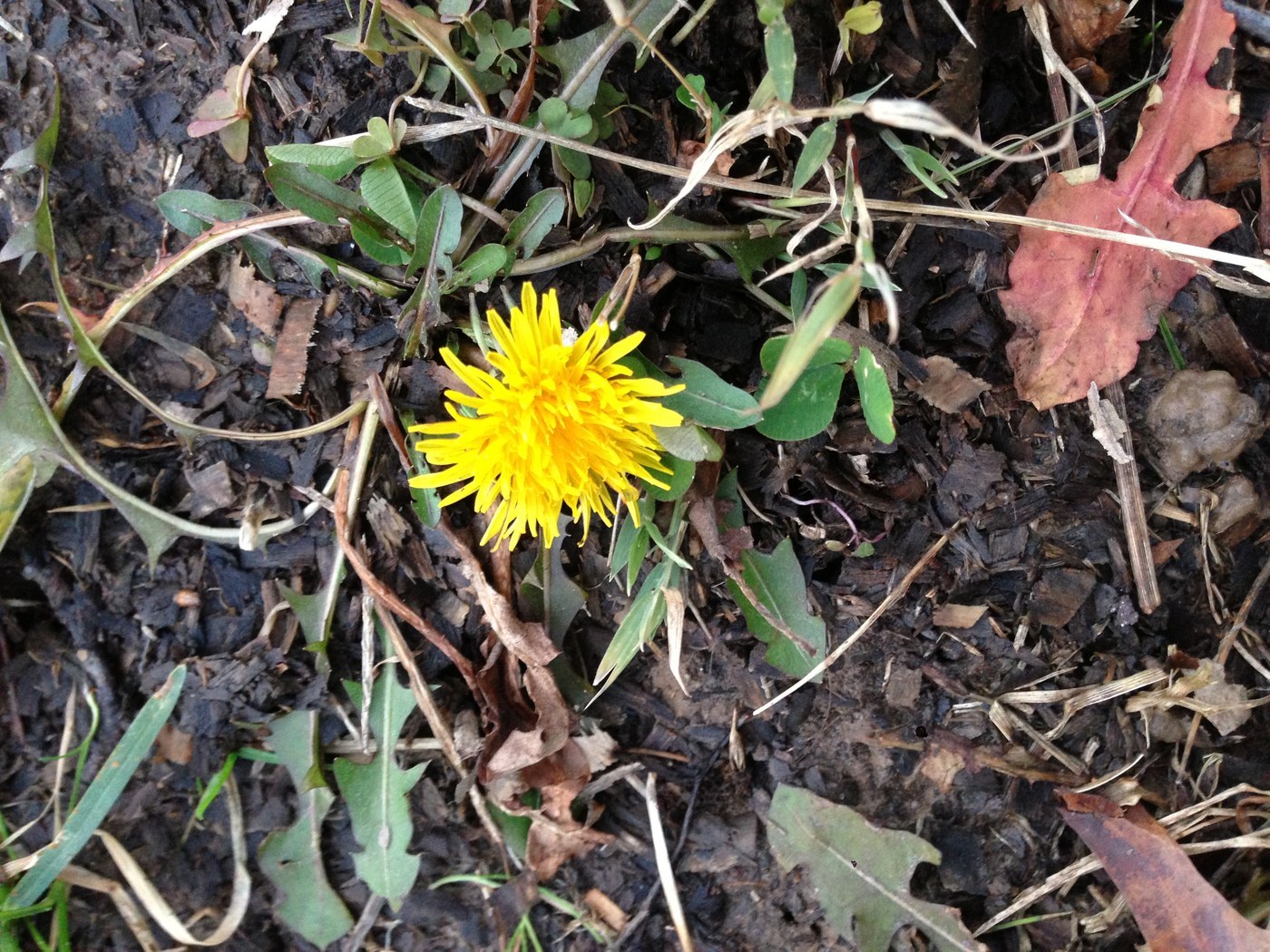
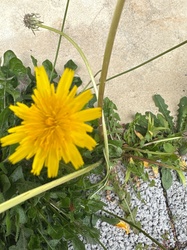
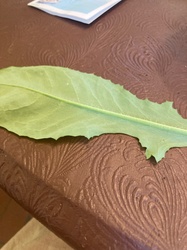
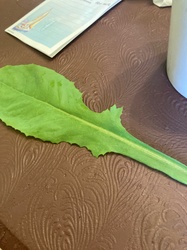
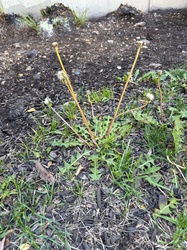
Dandelion is one of the most adaptable and resilient flowering plants, forming a low rosette of toothed leaves topped by cheerful golden blooms that mature into the familiar puffball seed heads. It is famously easy to grow, tolerating conditions that defeat fussier plants.
Light
Dandelion grows in full sun to partial shade. It flowers most freely and forms the tightest rosettes in bright light, but it will persist and bloom even in surprisingly shady corners. For the best display of golden flowers, give it a sunny spot.
Water
This is a very drought-tolerant plant with low water needs. Its long, deep taproot lets it find moisture well below the surface, so established plants rarely need watering. Occasional water during extended dry spells keeps foliage lush, but overwatering is unnecessary and Dandelion never wants soggy ground.
Soil & Potting
Dandelion is undemanding and grows in almost any soil, from rich loam to poor, compacted, or gravelly ground. It tolerates a wide pH range. The deep taproot appreciates loose soil that lets it descend, but it will push into hard ground too. In containers, use a deep pot so the taproot has room, with ordinary potting mix and good drainage.
Humidity & Temperature
Extremely hardy across a broad range of climates, Dandelion shrugs off cold winters and returns reliably, and it also handles heat well. It needs no special humidity. This wide tolerance is a large part of why it establishes so easily almost anywhere.
Feeding
Feeding is essentially unnecessary. Dandelion thrives in lean soil and grows vigorously without fertilizer. If you want larger, lusher leaves for ornamental effect, a light dose of balanced feed in spring will do, but it is never required.
Propagation
Dandelion propagates readily from seed, which the wind-borne puffballs disperse widely, and it self-sows freely. You can collect and sow seed on the soil surface, as light aids germination, and it sprouts quickly. It also regrows determinedly from any piece of taproot left in the ground, so root fragments will regenerate whole plants.
Repotting / Pruning
Because of its deep taproot, Dandelion resents disturbance once established; move or repot young plants while the root is still short. To limit spreading, remove the flower heads before they turn to seed. Cutting the rosette back does little, since the plant resprouts vigorously from the crown and root.
Common Problems & Pests
Dandelion is remarkably free of serious pests and diseases; its toughness is its defining trait. In damp, crowded conditions leaves may occasionally show powdery mildew or rust spots, and aphids sometimes gather on flower stalks. None of these typically threaten the plant, and improving air flow resolves most issues.
Seasonal Care Tips
Dandelion greens up early and blooms prolifically in spring, often with a second flush in autumn. Deadhead the flowers if you want to prevent enthusiastic self-seeding around the garden. It goes semi-dormant in the depths of winter and heat of high summer, then bounces back. Essentially maintenance-free once established.
Frequently asked questions
How do I stop Dandelions from spreading?
Remove the flower heads before they mature into puffball seed heads, since seed is spread widely by wind. Also dig out the entire taproot, because any fragment left behind will regrow into a new plant.
Can I grow Dandelion in a container?
Yes, but use a deep pot to accommodate its long taproot. Ordinary potting mix and good drainage are all it needs, and it will tolerate less-than-ideal conditions cheerfully.
Does Dandelion need watering?
Rarely. It is very drought tolerant thanks to a deep taproot and generally survives on rainfall. Water only during prolonged dry spells if you want to keep the foliage looking lush.
What kind of soil does Dandelion need?
Almost any soil works, from rich to poor, compacted, or gravelly, across a wide pH range. Loose soil helps the taproot descend, but the plant adapts readily to difficult ground.
Dandelion identified by the community
Recent Dandelion specimens identified with Plant Identifier.