Dandelion
Taraxacum officinale
The dandelion is a familiar, resilient perennial with sunny yellow flowers and toothed leaves, widely recognized as both a common lawn weed and a cheerful wildflower.
- Light
- Full sun to partial shade
- Water
- Low; very drought tolerant
- Difficulty
- Easy
Got a plant like this?
Identify any plant from a photo, free.
Overview
The common dandelion is a hardy herbaceous perennial best known as a lawn weed. Its bright yellow flower heads and iconic spherical seed heads (blowballs) are recognized almost everywhere.
Dandelions are remarkably adaptable, thriving in lawns, fields, pavement cracks and disturbed ground. They reproduce prolifically, partly because they can set viable seed without pollination.
The flowers are an important early-season nectar and pollen source for bees and other pollinators.
How to identify it
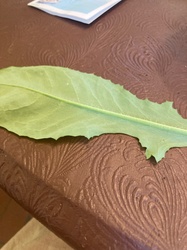
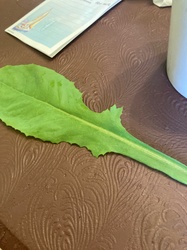
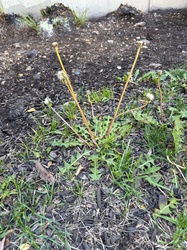
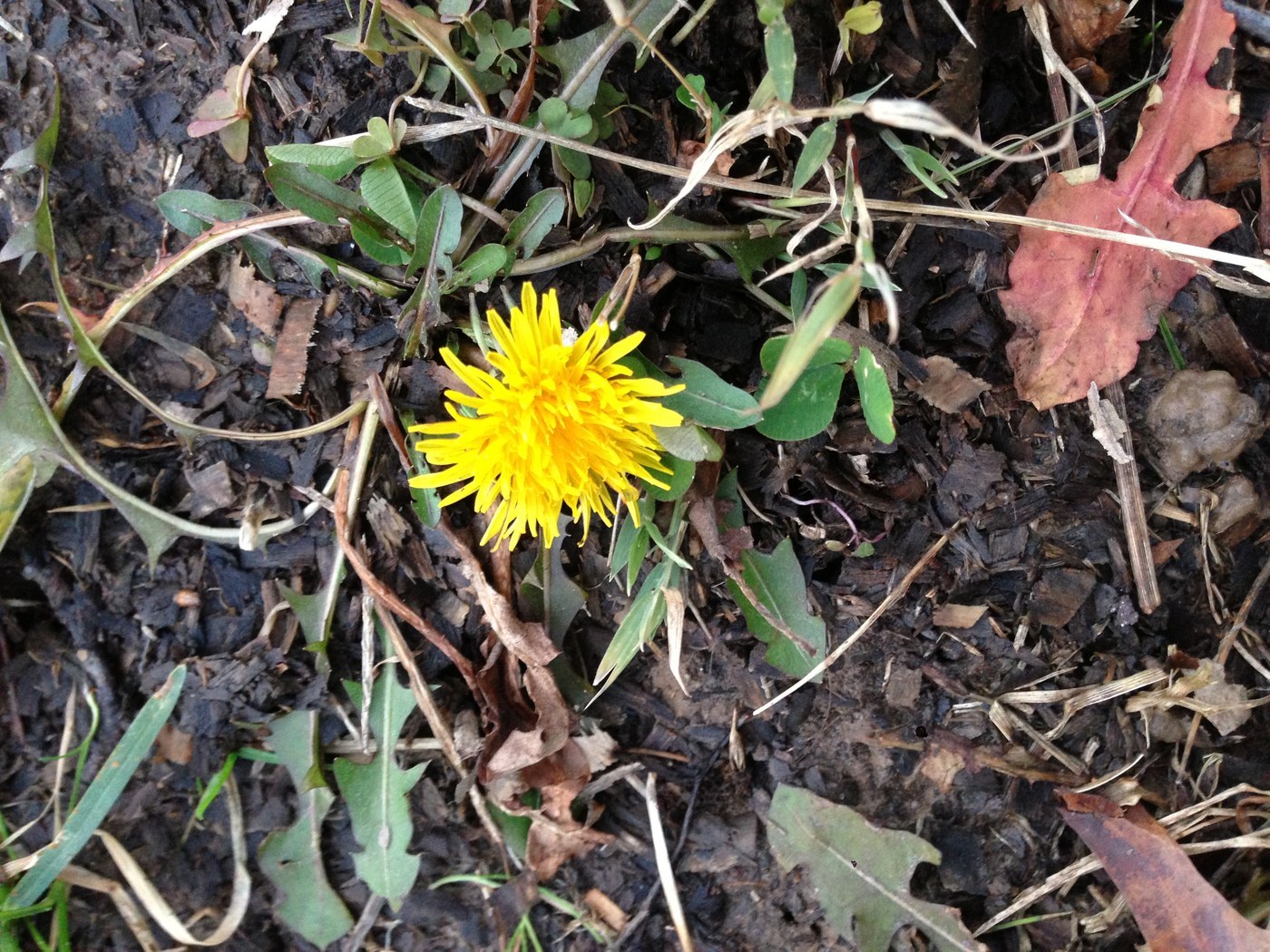
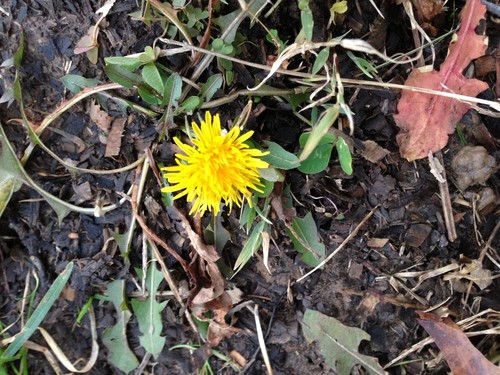
The dandelion is recognized by its toothed rosette leaves and yellow flowers.
- Leaves: Form a flat basal rosette; deeply and irregularly toothed (the name means 'lion's tooth'), hairless
- Flowers: Solitary bright yellow composite heads on a hollow, leafless stalk
- Sap: Stems and roots exude a milky white latex when broken
- Seed head: A round, fluffy white sphere of parachute seeds dispersed by wind
- Root: Long, thick taproot
- Height: Flower stalks usually 5-40 cm (2-16 in)
Care & growing
Dandelions are famously easy, often growing where unwanted.
- Light: Full sun to partial shade
- Water: Low; the deep taproot makes it very drought tolerant
- Soil: Tolerates almost any soil, including poor and compacted ground
- Temperature: Extremely hardy across a wide range of climates
- Feeding: None needed
- Propagation: Self-seeds prolifically by wind and can also regrow from pieces of taproot. Control is the usual concern: remove the whole taproot to prevent regrowth.
Habitat & origin
The common dandelion is native to Eurasia and has spread to become one of the most widespread plants on Earth, naturalized across temperate regions worldwide. It colonizes lawns, meadows, roadsides, pastures and any disturbed open ground.
While often treated as a weed, it is also deliberately cultivated, with improved leaf varieties grown in parts of Europe.
Frequently asked questions
How do I get rid of dandelions in my lawn?
Because they regrow from the taproot, you must remove the entire root or they return. Persistent digging, or targeted treatment, plus a thick healthy lawn that crowds them out, works best.
Are dandelions good for bees?
Yes. They flower early in the season when little else is available, providing valuable nectar and pollen for bees and other pollinators.
Why do dandelions spread so easily?
They produce abundant lightweight parachute seeds carried far by wind, and can set seed without pollination, so a few plants quickly become many.
Dandelion guides
In-depth guides for identifying, growing, and caring for Dandelion.
How to Care for Dandelion
Growing guide for Dandelion (Taraxacum officinale), an exceptionally tough, sunny-flowered plant that thrives almost anywhere with minimal effort.
Dandelion Identification Guide
Identify the common dandelion by its toothed basal rosette leaves, single hollow leafless milky stalk, solid yellow flower head, and round seed clock. Covers how to separate it from look-alikes.
Dandelion identified by the community
Real specimens identified with Plant Identifier.