Dandelion Identification Guide
Identify the common dandelion by its toothed basal rosette leaves, single hollow leafless milky stalk, solid yellow flower head, and round seed clock. Covers how to separate it from look-alikes.
Read the full Dandelion encyclopedia entry →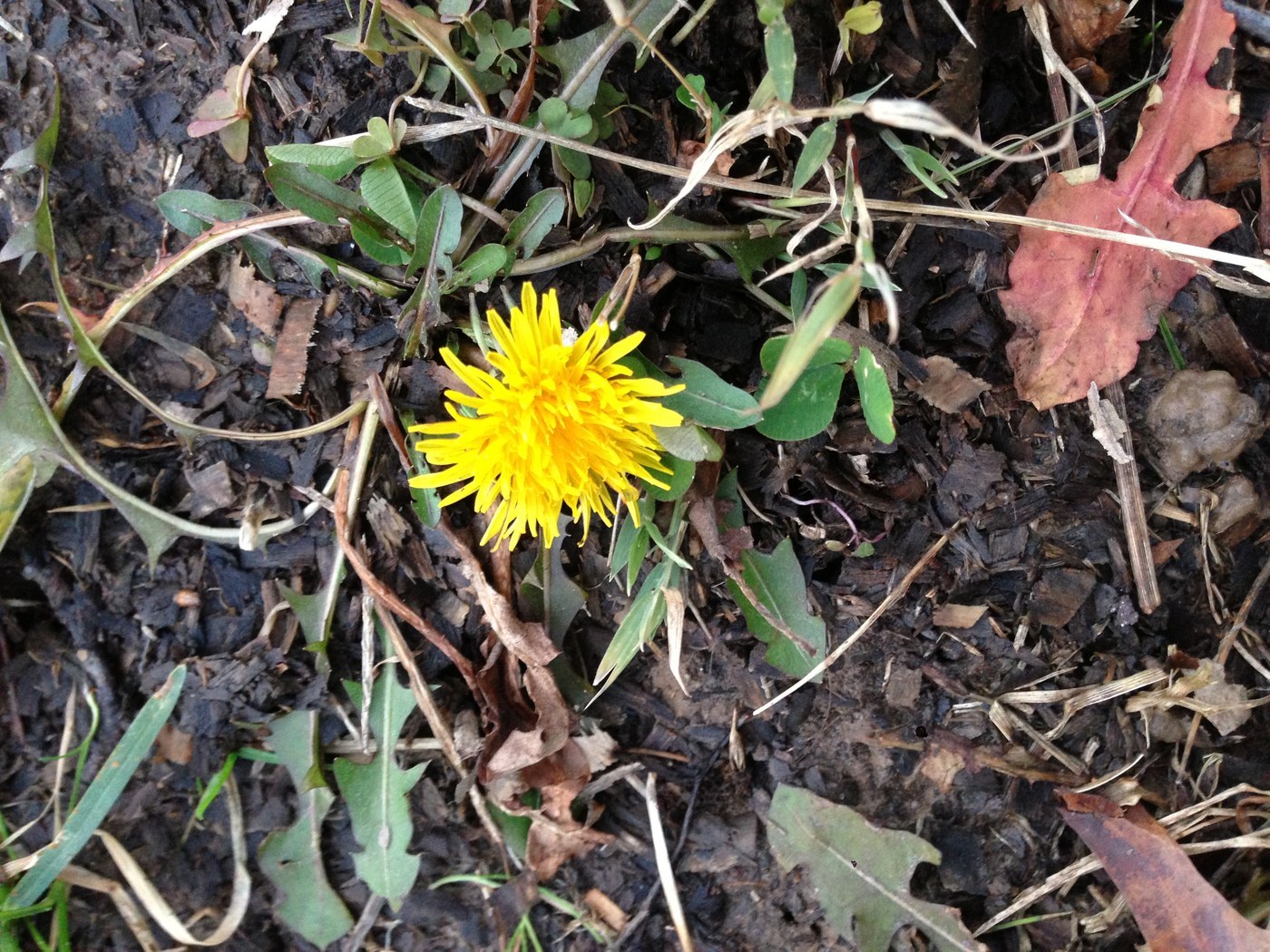
Key Identifying Features
The common dandelion (Taraxacum officinale) is a familiar perennial in the daisy family (Asteraceae). Its key traits are a basal rosette of jagged toothed leaves, a single hollow, leafless flower stalk that oozes milky white sap, a solid golden-yellow flower head, and the famous round white seed "clock." No leafy or branching stem ever appears — flowers rise straight from the base.
Leaves & Stems
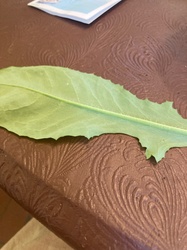
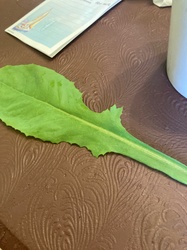
- Leaves form a flat ground rosette, deeply lobed with backward-pointing teeth (the name means "lion's tooth").
- Leaves are hairless, with a pale midrib, and exude milky latex when broken.
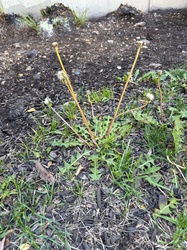
- Each flower sits atop a single, hollow, unbranched, leafless stalk that also bleeds milky sap.
- There are no branching stems and no leaves on the flower stalk — a critical diagnostic.
Flowers & Fruit
- The flower head is a solid disc of many small yellow ray florets, 2-5 cm across.
- Green bracts beneath: the outer row curves downward (reflexed).
- Seeds are brown achenes each with a white parachute of hairs, forming the spherical seed head (clock).
How to Tell It Apart from Look-Alikes
- Cat's ear (Hypochaeris radicata) has hairy leaves and a branched, solid stalk with small scales — dandelion's stalk is hollow, smooth, and unbranched.
- Hawkweeds and sow thistles have leafy or branched stems and clusters of flowers.
- Coltsfoot flowers before its leaves appear and has scaly stalks.
- The combination of single hollow milky stalk + toothed basal rosette + downward-curving bracts confirms true dandelion.
Where You'll Find It
Dandelions thrive almost everywhere: lawns, meadows, roadsides, waste ground, and pavement cracks across the temperate world. They tolerate poor soil and mowing, regrowing from a deep taproot. They flower mainly in spring but can bloom much of the year.
Quick ID Checklist
- Basal rosette of jagged, backward-toothed leaves
- Single hollow, leafless stalk with milky sap
- Solid yellow flower head; outer bracts curve down
- Round white seed clock with parachute seeds
- No branching or leafy stems
Frequently asked questions
How do I tell a dandelion from cat's ear?
Dandelion has hairless leaves and a single hollow, smooth, unbranched flower stalk with milky sap, while cat's ear has hairy leaves and a solid, branched, slightly scaly stalk.
Does breaking a dandelion always release milky sap?
Yes. Both the leaves and the hollow flower stalk exude a milky white latex when broken, which is a reliable identifying feature of true dandelions.
Why do dandelions have only one flower per stalk?
Each hollow, leafless stalk bears a single solid yellow flower head. If you see branching stems with several flowers, it is a look-alike like sow thistle or hawkweed, not a dandelion.
What is the dandelion 'clock'?
It is the spherical seed head that forms after flowering, made of many brown seeds each topped with a white parachute of hairs that carry it on the wind.
Dandelion identified by the community
Recent Dandelion specimens identified with Plant Identifier.