
How to Care for Daphne
Master fussy but rewarding Daphne odora with dappled shade, perfectly drained soil, minimal disturbance, and careful winter siting.
Read the full Daphne encyclopedia entry →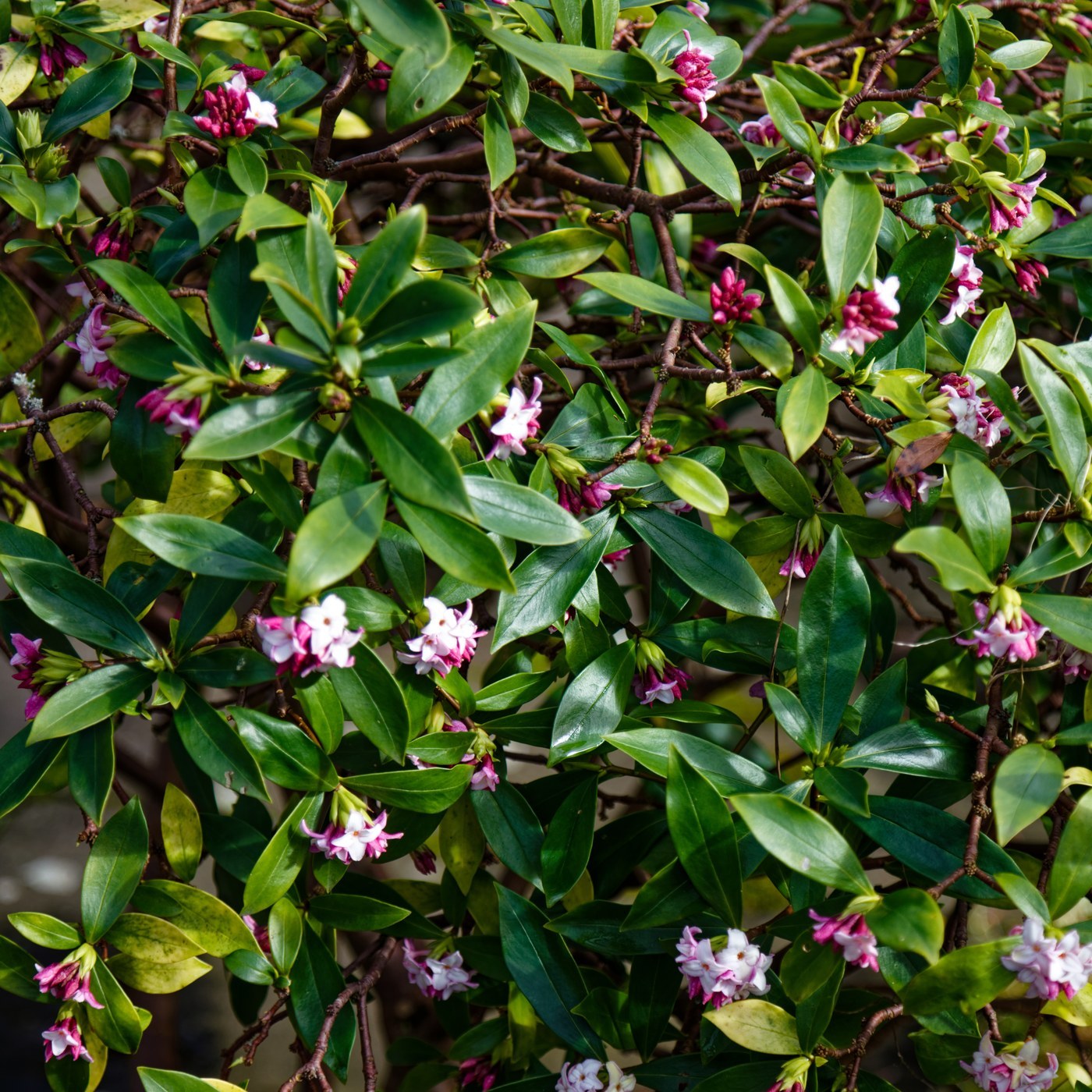
Daphne odora is a compact evergreen shrub celebrated for its intensely fragrant late-winter and early-spring flowers and glossy foliage. It has a reputation for being temperamental, so success comes from getting drainage, siting, and root disturbance exactly right.
Light
Daphne prefers part shade to dappled sun. A spot with bright morning light and protection from harsh midday and afternoon sun suits it best, mimicking its woodland-edge origins. Too much deep shade thins the plant and reduces bloom, while blazing full sun can stress the foliage.
Water
Water moderately to keep the soil lightly moist but never soggy. Daphne is extremely sensitive to waterlogging, which quickly causes root rot. Let the surface dry slightly between waterings, and reduce watering in winter. Consistency matters more than volume, so avoid alternating between bone-dry and drenched.
Soil & Potting
Sharp drainage is the single most important factor. Plant in humus-rich, gritty, well-drained soil that is neutral to slightly acidic. Raised beds or slopes help shed excess water. In containers, use a free-draining mix with added grit or bark and always use a pot with generous drainage holes.
Humidity & Temperature
Daphne odora enjoys mild, temperate conditions and appreciates average humidity. It dislikes extreme heat and hard, sudden freezes; in colder areas, a sheltered position near a wall offers protection. Avoid drafty, exposed sites and sudden temperature swings, which can cause leaf drop.
Feeding
Feed lightly. A single application of a balanced slow-release fertilizer or an acidic shrub feed in early spring after flowering is usually enough. A thin annual mulch of leaf mold supplies gentle nutrition. Overfeeding, especially with high nitrogen, can weaken this shrub, so err on the side of restraint.
Propagation
Propagate from semi-hardwood cuttings taken in mid to late summer, dipped in rooting hormone and kept in a humid, well-drained medium. Rooting can be slow and unreliable, so take several cuttings. Layering low stems is another option. Daphne resents transplanting, so pot up rooted cuttings gently.
Repotting / Pruning
Daphne dislikes root disturbance, so repot or move it as rarely as possible and only when truly necessary. Keep pruning to a minimum: lightly shape and remove any dead or damaged wood right after flowering. Avoid hard cutting back, which the plant may not recover from.
Common Problems & Pests
Root rot from wet soil is the leading cause of sudden decline, along with unexplained dieback that daphnes are notorious for. Watch for aphids on new growth and occasional scale insects. Viral mottling and leaf drop can occur; maintain steady conditions and excellent drainage to keep the plant resilient.
Seasonal Care Tips
In late winter and early spring, enjoy the fragrant blooms and do any minimal pruning afterward. Feed lightly in spring and mulch. Keep watering measured through summer, never letting the soil sit wet. In fall, ensure drainage is clear before winter rains, and shelter the plant from the harshest cold.
Frequently asked questions
Why is my Daphne suddenly dying?
Daphnes are prone to sudden dieback, most often from poor drainage and waterlogged roots. Ensure sharp drainage, avoid overwatering, and minimize root disturbance to prevent collapse.
Can I grow Daphne in a pot?
Yes, using a free-draining, gritty mix and a pot with ample drainage holes. Keep it in part shade, water carefully, and disturb the roots as little as possible.
Should I prune my Daphne?
Prune very sparingly, only to remove dead wood or lightly shape right after flowering. Daphne resents hard pruning and may not recover from heavy cuts.
Where is the best place to plant Daphne odora?
Choose a sheltered spot with dappled shade or morning sun, protection from harsh afternoon light and cold winds, and excellent drainage.