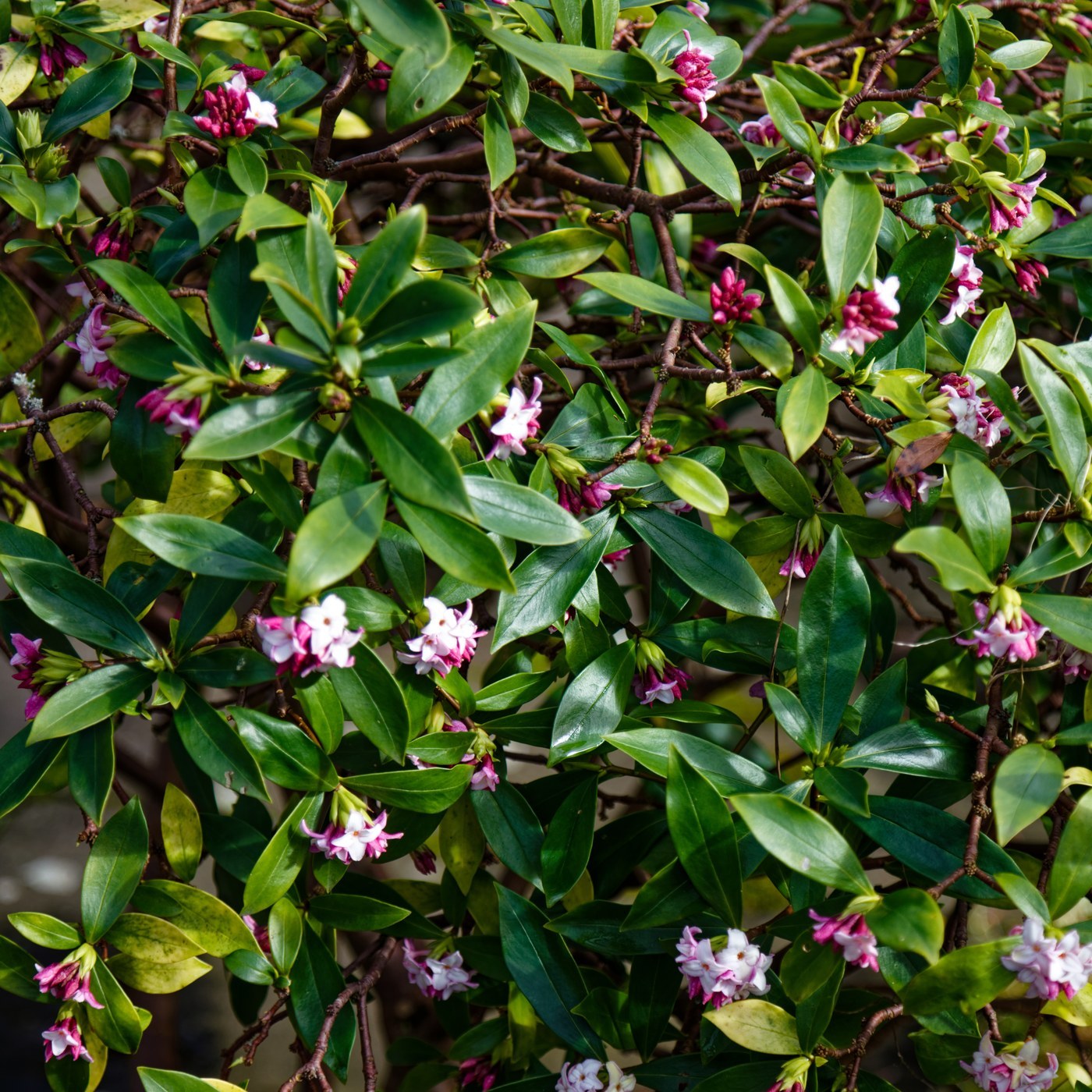
Daphne
Daphne odora
Daphne is a compact evergreen shrub famous for intensely fragrant late-winter flowers. It is gorgeous but finicky, demanding perfect drainage and resenting disturbance.
- Light
- Part shade to dappled sun
- Water
- Moderate; well-drained, never soggy
- Difficulty
- Hard
Got a plant like this?
Identify any plant from a photo, free.
Overview
Daphne is a genus of small, slow-growing shrubs treasured above all for one thing: extraordinary fragrance. Winter daphne (Daphne odora) perfumes the late-winter garden with clusters of pink-and-white flowers, while other species bloom in spring.
These refined plants offer neat evergreen (or deciduous) foliage and a tidy mounded form, often with variegated cultivars like 'Aureomarginata'. Their compact size suits small gardens and entryways where the scent can be appreciated.
Daphne has a reputation for being temperamental—it demands sharp drainage, dislikes being moved, and can decline suddenly—so it is best for patient gardeners.
How to identify it
A small, dense, rounded evergreen (or deciduous) shrub.
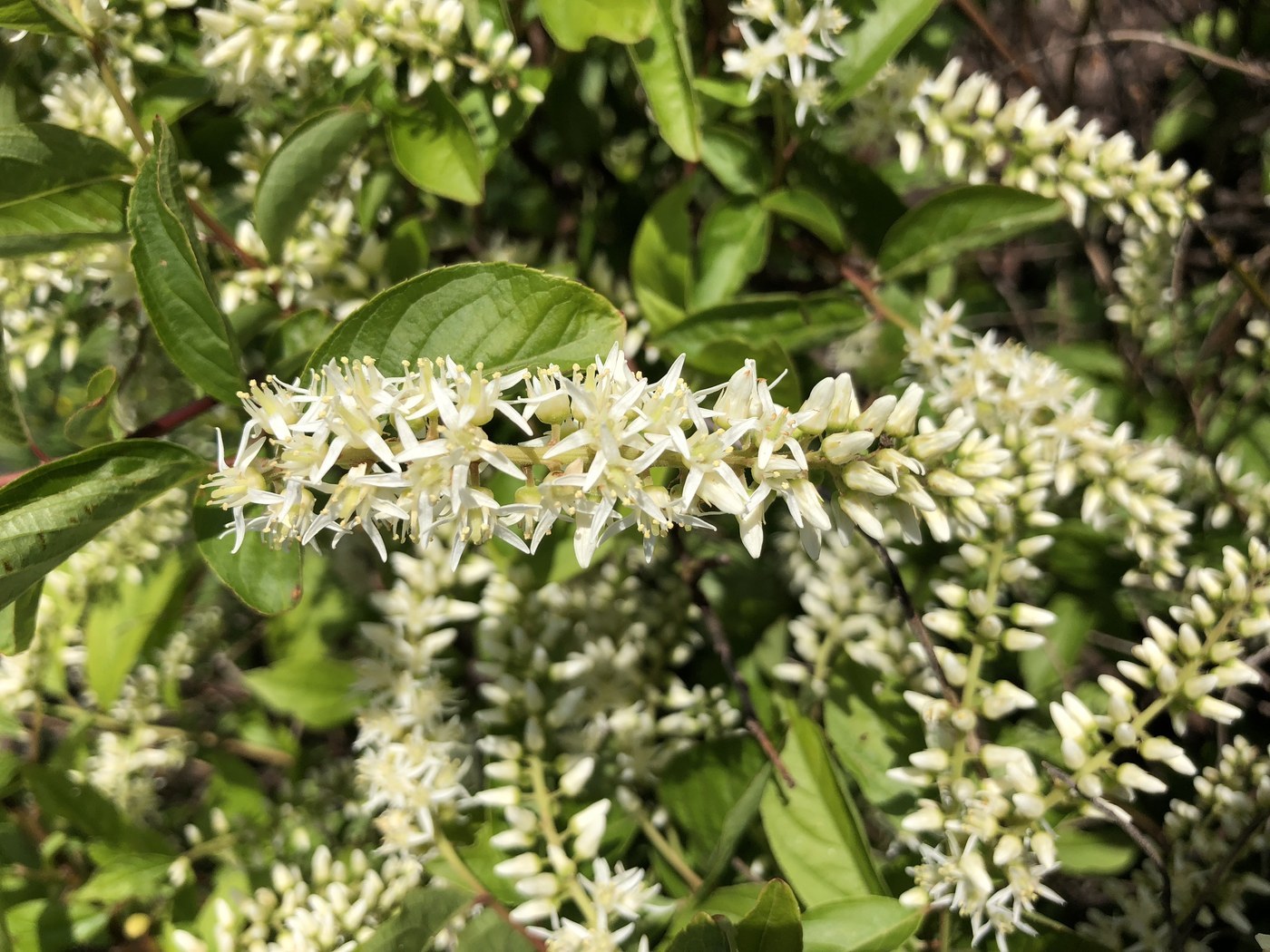
- Flowers: tight terminal clusters of small, star-shaped, waxy flowers—usually pink to white—intensely fragrant
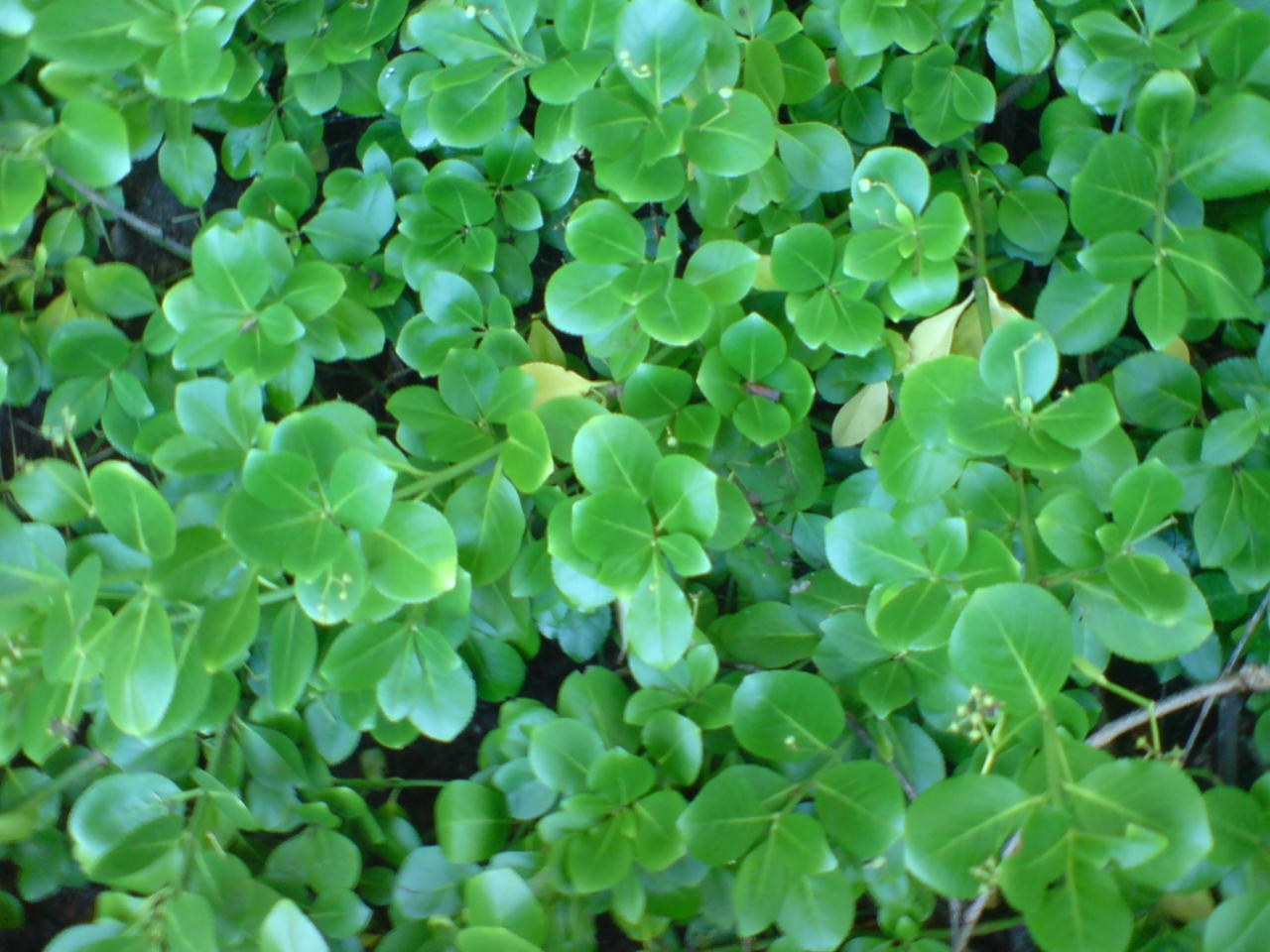
- Leaves: thick, glossy, oblong; often margined in creamy yellow in variegated forms
- Habit: compact mound, typically 2–4 ft tall and wide; slow-growing
- Bloom time: winter daphne flowers late winter to early spring
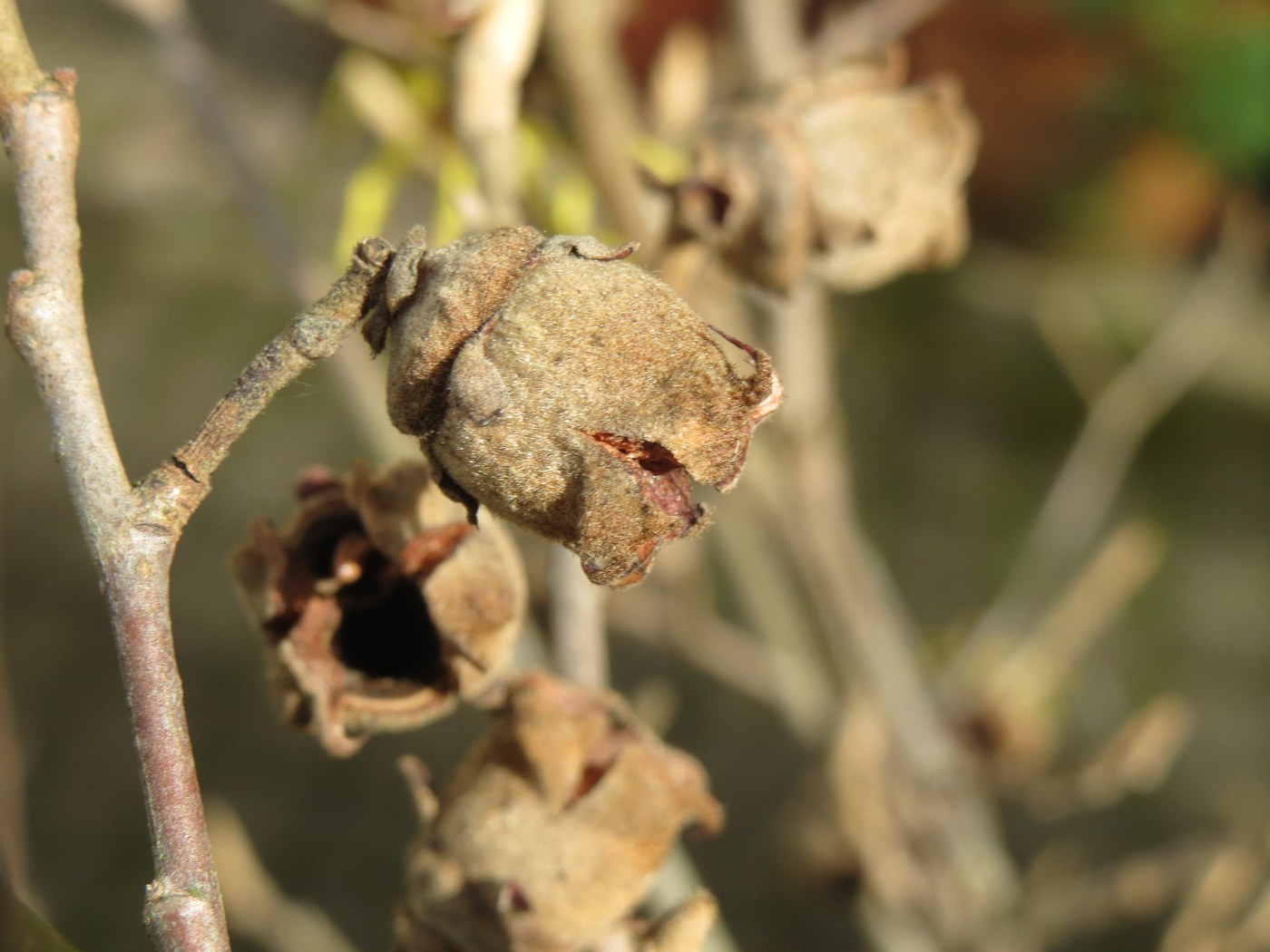
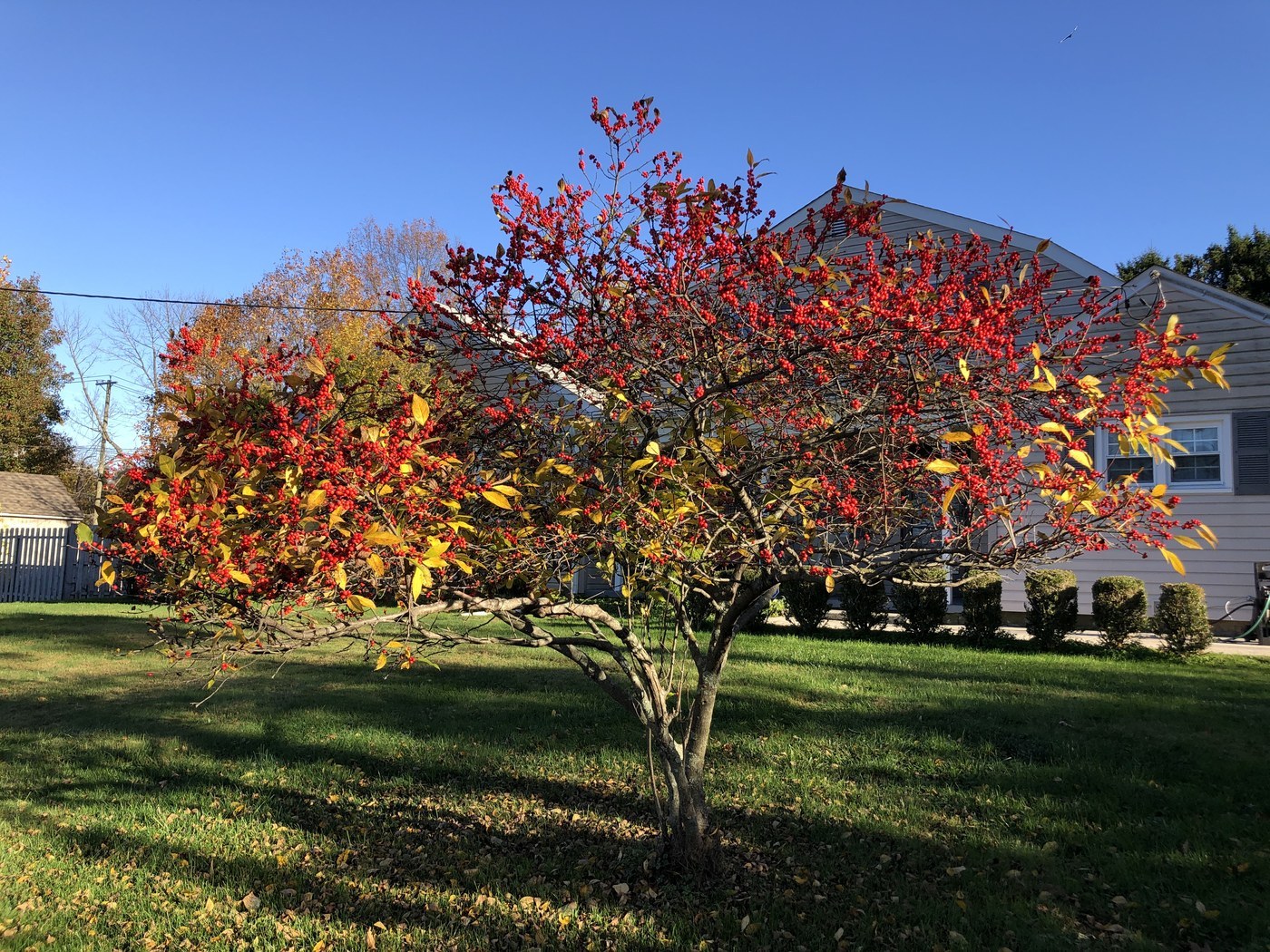
- Fruit: small red berries
Care & growing
Rewarding but demanding—success hinges on drainage.
- Light: part shade or dappled sun; protect from hot afternoon sun and cold wind
- Water: moderate and even—never let it sit wet, and never let it bake bone dry
- Soil: sharply drained, humus-rich, neutral to slightly acidic; raised or sloped sites help
- Temperature: D. odora is hardy roughly USDA zones 7–9
- Feeding: light; a topdressing of compost is gentler than strong fertilizer
- Pruning: minimal—just tidy after bloom; it resents hard pruning
- Propagation: semi-hardwood cuttings; avoid transplanting established plants, which often decline
Habitat & origin
Daphne odora is native to China and has long been cultivated in Japan; other daphnes come from Europe and Asia, often growing on rocky, well-drained mountain slopes and woodland edges.
That alpine, free-draining heritage explains their intolerance of soggy soil. Daphnes are grown in temperate gardens worldwide, prized as fragrant specimens near paths, doors, and seating areas.
Frequently asked questions
Why did my daphne suddenly die?
Daphnes are notorious for sudden decline, usually from poor drainage, root disturbance, or transplant shock. Give them sharp drainage and avoid moving them.
Why is my daphne so fragrant?
Daphne odora is one of the most powerfully scented shrubs; its late-winter flowers can perfume a whole garden area.
Can I prune daphne?
Keep pruning to a minimum—light tidying right after flowering only. Daphnes resent hard cutting and may decline.
Daphne guides
In-depth guides for identifying, growing, and caring for Daphne.
How to Care for Daphne
Master fussy but rewarding Daphne odora with dappled shade, perfectly drained soil, minimal disturbance, and careful winter siting.
Daphne Identification Guide
Identify Daphne by its intensely fragrant clusters of small tubular flowers, neat oval (often variegated) leaves, and compact form.