
How to Care for Delphinium
Grow towering delphinium (Delphinium elatum) spires with full sun, rich moist soil, sturdy staking, and steady feeding for classic cottage-garden blue.
Read the full Delphinium encyclopedia entry →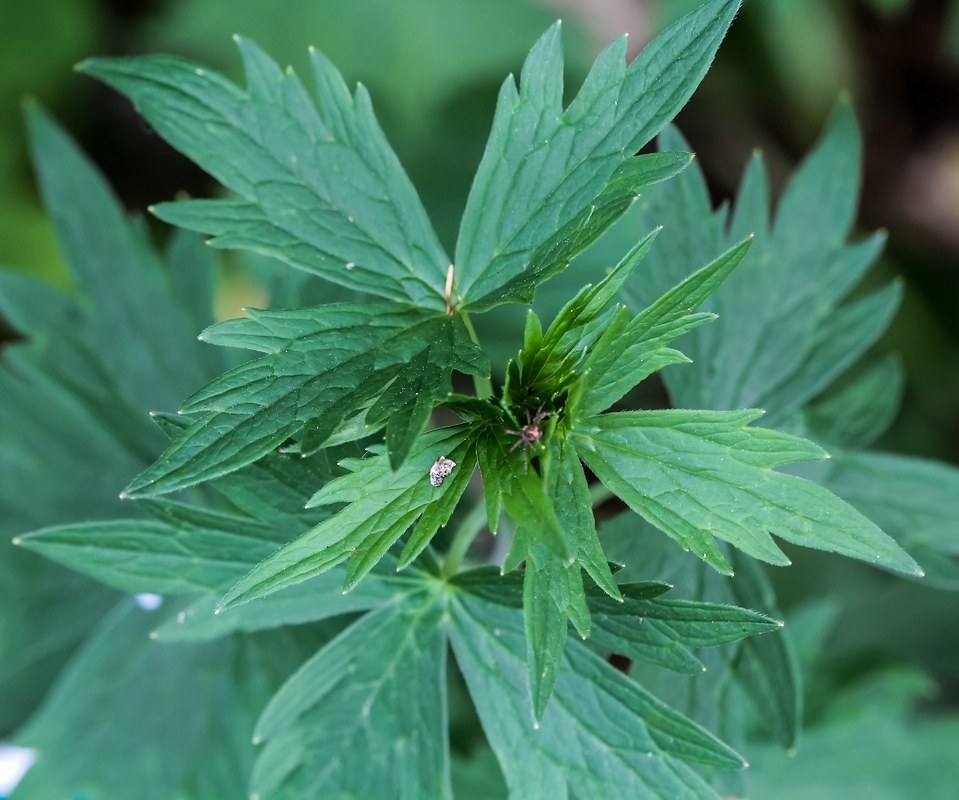
Delphinium (Delphinium elatum) is the stately backbone of the cottage border, sending up tall, dense spires of blue, purple, white, or pink flowers in early summer. These hungry, thirsty perennials reward attentive care with breathtaking vertical drama.
Light
Delphiniums need full sun, ideally six or more hours daily, to build strong stems and full flower spikes. In hot-summer regions a little light afternoon shade helps preserve flower color and reduces heat stress, but too much shade produces weak, floppy stems that lean toward the light.
Water
Keep the soil consistently moist throughout the growing season, as delphiniums do not tolerate drying out while in active growth and bloom. Water deeply at the base to reach the roots, and avoid wetting the foliage, which invites disease. A layer of mulch conserves moisture and keeps roots cool. Reduce watering somewhat after flowering and in winter dormancy.
Soil & Potting
Plant in deep, fertile, humus-rich, well-drained soil with a neutral to slightly alkaline pH. Delphiniums are heavy feeders that resent both drought and waterlogging, so amend the bed generously with compost before planting to improve fertility and moisture retention. Sharp winter drainage is essential to prevent crown rot in dormancy.
Humidity & Temperature
Delphiniums thrive in cool, temperate climates with mild summers and cold winters that provide the chilling they need. They struggle in hot, humid regions, where they are often best treated as short-lived plants or annuals. Good air circulation is important to keep the foliage dry and disease-free.
Feeding
As heavy feeders, delphiniums benefit from rich soil and regular fertilizing. Work compost or a balanced fertilizer into the soil in spring as growth begins, and feed again with a balanced or bloom-supporting fertilizer as the flower spikes develop. Avoid excessive nitrogen alone, which produces lush foliage at the expense of sturdy, well-supported blooms.
Propagation
Propagate named plants from basal cuttings taken in spring when new shoots are a few inches tall, or by careful division of the crown in early spring. Species and mixed strains can be raised from seed, which germinates best when fresh and kept cool; sow in late summer or spring. Cutting-grown and divided plants stay true to the parent.
Repotting / Pruning
Staking is the key task: tall varieties need sturdy stakes or grow-through supports installed early, since the heavy spikes topple in wind and rain. After the first flush of bloom, cut spent flower spikes back to encourage a lighter second flush of flowers in late summer. Divide congested clumps every few years in spring to keep them vigorous. Cut foliage back after it dies down in autumn.
Common Problems & Pests
Slugs and snails are the great enemy of emerging spring shoots and can devastate young plants overnight, so protect new growth. Powdery mildew, crown and root rot, and bacterial or fungal leaf spots appear in damp, crowded, or poorly drained conditions. Cyclamen mites and aphids may also attack. Prevent trouble with full sun, good spacing, base watering, and excellent drainage.
Seasonal Care Tips
In spring, feed, mulch, install supports early, and guard tender shoots from slugs. Deadhead after the first bloom for a possible second show, and keep plants well watered through summer. In autumn cut the dead foliage to the ground and ensure the crown will not sit in winter wet. Divide and take cuttings in early spring to rejuvenate plantings.
Frequently asked questions
Why do my delphiniums keep falling over?
Their tall, heavy flower spikes need support. Install stakes or grow-through rings early in the season, and grow them in full sun so stems stay strong rather than leaning.
Will delphiniums flower more than once?
Often yes. Cut spent spikes back after the first early-summer flush and keep plants fed and watered to encourage a lighter second bloom in late summer.
Why are my delphinium seedlings disappearing?
Slugs and snails devour tender emerging shoots. Protect new spring growth, keep the surrounding area clean, and the plants will grow away once established.
Can delphiniums handle hot climates?
They prefer cool summers and struggle in hot, humid regions, where they are often short-lived. Give afternoon shade, consistent moisture, and good airflow to help them cope.