Delphinium
Delphinium elatum
Delphiniums are stately cottage-garden perennials famed for their towering spires of intensely blue (or purple, pink, and white) flowers. Their dramatic vertical form makes them a classic centerpiece of the summer border.
- Light
- Full sun
- Water
- Keep consistently moist
- Difficulty
- Moderate
Got a plant like this?
Identify any plant from a photo, free.
Overview
Delphiniums are herbaceous perennials in the buttercup family (Ranunculaceae), celebrated for the tall, densely packed flower spikes that give the summer border its height and some of the truest blues in horticulture. The popular tall border hybrids descend largely from Delphinium elatum.
The name comes from the Greek delphis (dolphin), referring to the shape of the flower bud. Annual relatives are often sold as larkspur (Consolida), while the perennial Delphinium species are the towering garden mainstays.
They are demanding plants — hungry, thirsty, and prone to flopping — but few flowers rival their architectural presence and color.
How to identify it
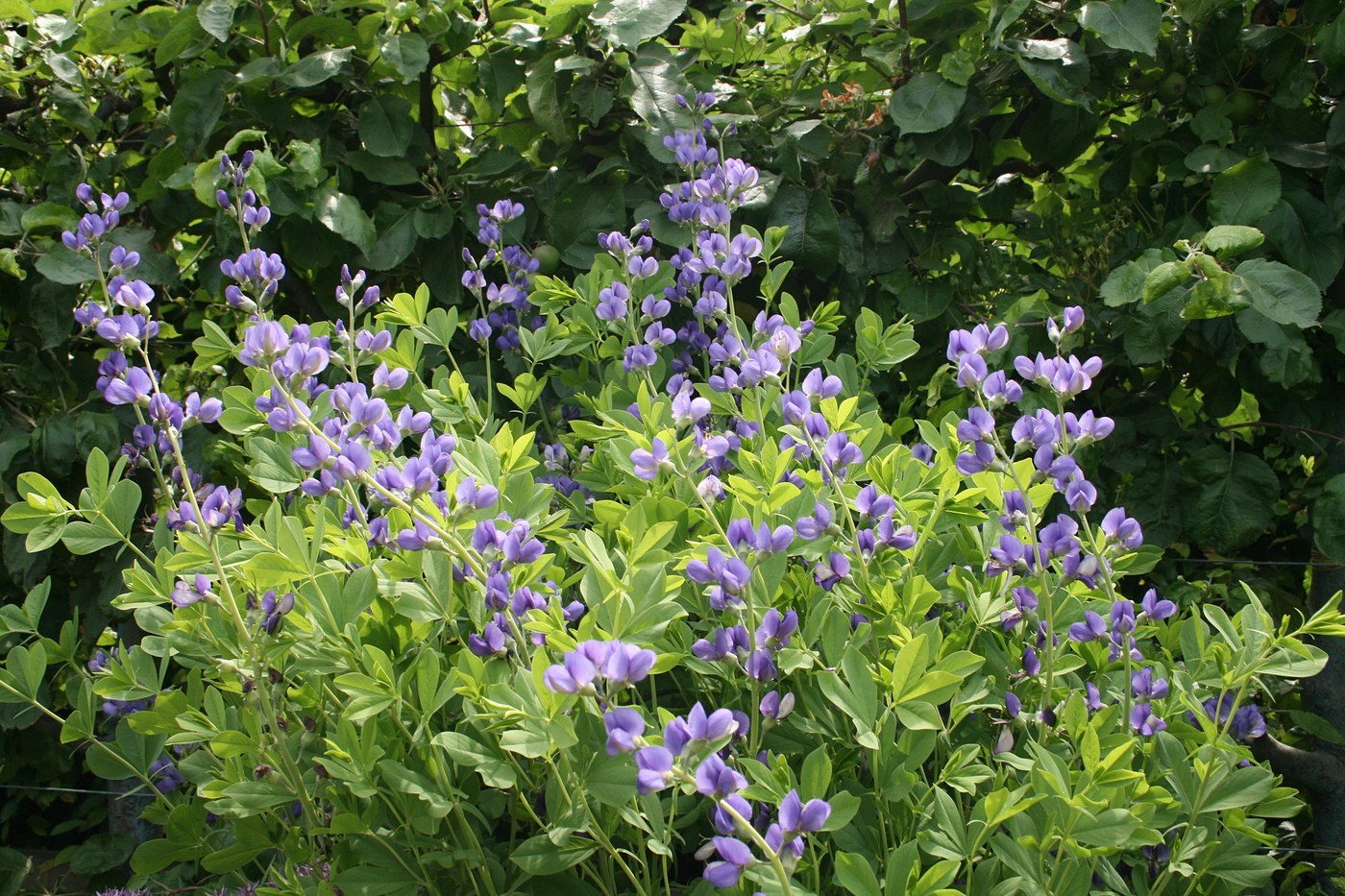
Delphiniums are unmistakable when in bloom thanks to their tall flower spikes.
- Flowers: Densely packed on vertical spikes; each bloom has a backward-pointing spur and a contrasting central “bee” (eye)
- Color: Famous for vivid blues, plus purple, violet, pink, and white
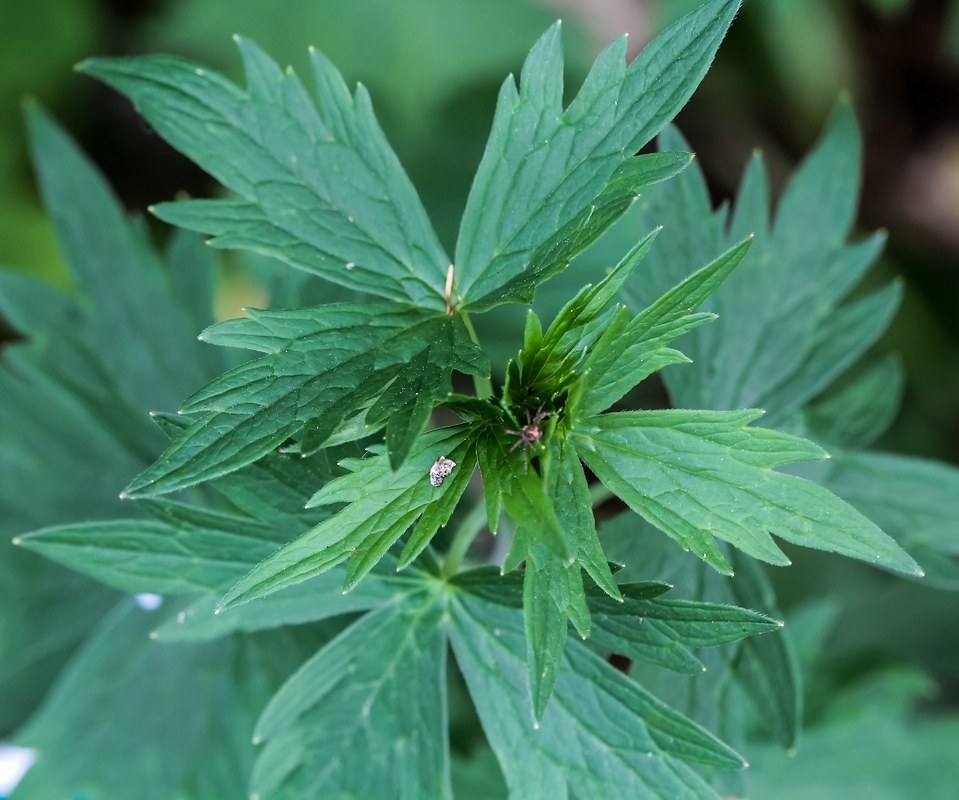
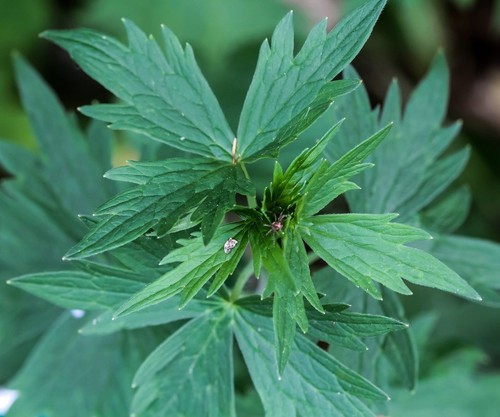
- Leaves: Palmately lobed, deeply divided, hand-shaped
- Habit: Upright clumps with strong vertical stems
- Height: Tall hybrids reach 4-6 ft or more; dwarf types stay around 2 ft
Care & growing
Delphiniums need rich conditions and support to perform.
- Light: Full sun, with shelter from strong winds that snap the tall stems
- Water: Keep soil consistently moist; never let them dry out during growth
- Soil: Deep, fertile, well-drained, slightly alkaline soil enriched with organic matter
- Temperature: Hardy perennials best in cool-summer climates (USDA zones 3-7); they dislike hot, humid weather
- Feeding: Heavy feeders; apply balanced fertilizer in spring and again as buds form
- Propagation: Basal cuttings in spring or division; species from seed
Staking is essential for tall types. Cutting back spent spikes can encourage a second, smaller flush of bloom.
Habitat & origin
The genus Delphinium is widespread across the Northern Hemisphere and the mountains of tropical Africa, with many species in temperate Asia, Europe, and western North America. Delphinium elatum, ancestor of the border hybrids, is native to mountainous regions of Europe and Asia.
In the wild they favor cool, moist meadows and mountain slopes. They are grown in temperate gardens worldwide but perform best where summers are cool.
Frequently asked questions
Why do my delphiniums keep falling over?
Their tall, hollow stems are fragile, so stake plants early and site them out of strong wind; thinning weak shoots also produces sturdier stems.
Are delphiniums annual or perennial?
Garden delphiniums are perennials, though they can be short-lived; annual larkspur (Consolida) is a related but different plant.
Will delphiniums bloom again after cutting?
Often yes — cut the spent main spike back and the plant may produce a second, smaller flush of flowers later in the season.
What gives delphiniums their distinctive look?
Their tall vertical flower spikes packed with spurred blooms, often in vivid blue, together with deeply cut, hand-shaped leaves, make them easy to recognize in the border.
Delphinium guides
In-depth guides for identifying, growing, and caring for Delphinium.
How to Care for Delphinium
Grow towering delphinium (Delphinium elatum) spires with full sun, rich moist soil, sturdy staking, and steady feeding for classic cottage-garden blue.
Delphinium Identification Guide
Identify delphiniums by their tall spires of spurred blue, purple, or white flowers and deeply palmate leaves. Covers how to separate them from larkspur and lupine.