
Delphinium Identification Guide
Identify delphiniums by their tall spires of spurred blue, purple, or white flowers and deeply palmate leaves. Covers how to separate them from larkspur and lupine.
Read the full Delphinium encyclopedia entry →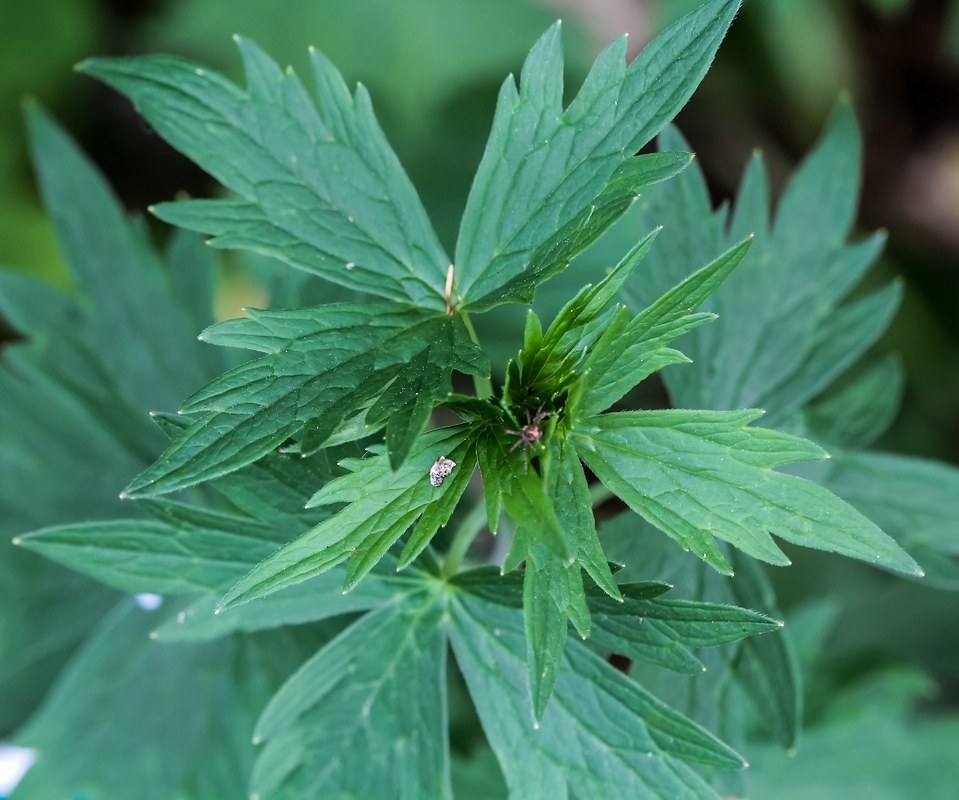
Key Identifying Features
Delphiniums are tall, stately perennials famous for dense vertical spikes of intensely blue or purple flowers. The name comes from the Greek for dolphin, referring to the shape of the flower bud and spur.
- Tall flower spikes (often 3-6 ft) packed with blooms
- Each flower has a backward-pointing spur behind it
- A central tuft sometimes a contrasting color, called the 'bee'
- Colors dominated by blue, violet, purple, also white and pink
Leaves & Stems
Leaves are deeply palmately divided into 5-7 toothed lobes, giving a hand- or star-shaped outline. They are largest near the base and smaller up the stem. Stems are stout, erect, and usually hollow, often needing staking because the heavy flower spikes can topple. Leaves are alternate along the stem.
Flowers & Fruit
Each flower has 5 petal-like sepals, the uppermost extended into the hollow spur, plus smaller true petals forming the central 'bee.' Flowers open from the bottom of the spike upward. After bloom, fruit forms as a cluster of follicles (dry pods) that split to release seeds.
How to Tell It Apart from Look-Alikes
- Larkspur (Consolida/annual Delphinium): very closely related; larkspurs are usually annual, more delicate, with a single spur and finer thread-like leaf segments. Perennial delphiniums are taller and bushier with broader lobed leaves.
- Lupine: also tall spikes but has pea-like flowers and palmate compound leaves with separate leaflets radiating from one point—no spurs.
- Monkshood (Aconitum): similar palmate leaves and blue spikes, but flowers are hooded with no spur.
- The spur behind each flower is the key delphinium/larkspur trait.
Where You'll Find It
Delphiniums are classic cottage-garden and cut-flower plants in cool temperate climates; they dislike heat and humidity. Wild species grow in mountain meadows and woodlands of the Northern Hemisphere. Look for them in the backs of borders where their height shines.
Quick ID Checklist
- Tall vertical spike of densely packed flowers
- Each flower has a backward spur
- Often a contrasting central 'bee'
- Mostly blue/purple, also white/pink
- Palmately lobed hand-shaped leaves
- Stout hollow stem, may need staking
A towering spike of spurred blue flowers above deeply cut hand-shaped leaves is the signature of a delphinium.
Frequently asked questions
What is the difference between delphinium and larkspur?
They are close relatives; larkspur is usually a more delicate annual with finely divided leaves and a single spur, while perennial delphinium is taller and bushier with broader lobed leaves.
What is the 'bee' in a delphinium flower?
The 'bee' is the small central cluster of true petals, often a contrasting color, sitting amid the five larger petal-like sepals.
Why do delphiniums fall over?
Their tall, heavy flower spikes on hollow stems are top-heavy, especially after rain or wind, so gardeners commonly stake them for support.