
How to Care for Deodar Cedar
Deodar Cedar is a graceful, weeping evergreen for full sun and well-drained soil — easy, drought-tolerant, and elegant.
Read the full Deodar Cedar encyclopedia entry →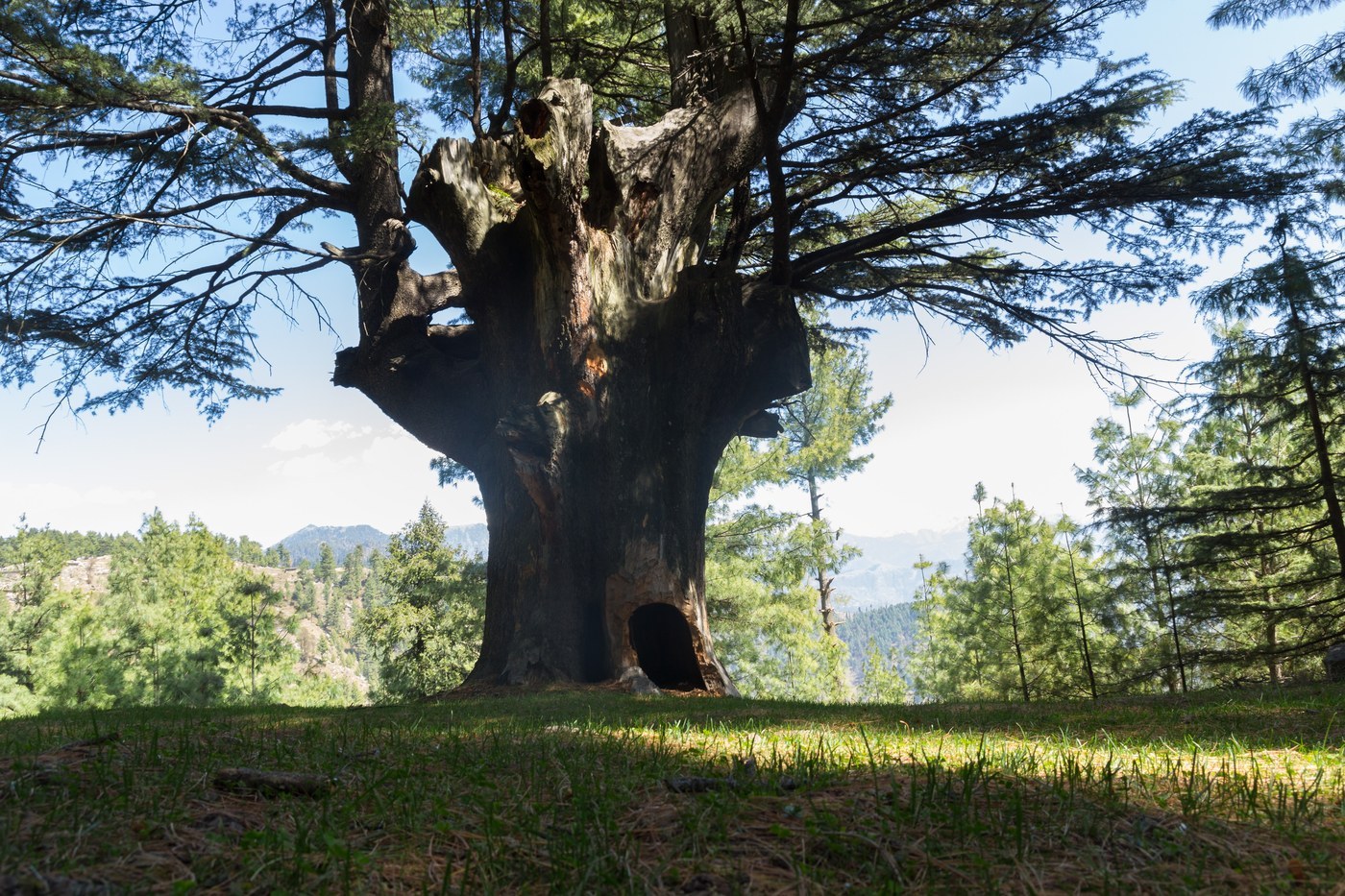
Deodar Cedar (Cedrus deodara) is a stately evergreen conifer admired for its soft, drooping branch tips, gracefully weeping leader, and blue-green to silvery needles. It is an easy, low-maintenance specimen tree once established, thriving in full sun and well-drained soil.
Light
Grow Deodar Cedar in full sun for the fullest, most symmetrical form and the best needle color. It tolerates a little light shade but becomes sparse and open in too much shade. Give it plenty of open space — this is a large tree that develops a broad, sweeping canopy, so avoid crowding it against buildings or other trees.
Water
Water young trees moderately and regularly for the first couple of years to establish deep roots. Once established, Deodar Cedar is notably drought-tolerant and rarely needs supplemental irrigation except in extended droughts. It strongly dislikes soggy, waterlogged soil, which invites root rot, so err on the side of drier rather than wetter once the tree is settled in.
Soil & Potting
Well-drained soil is the single most important requirement. Deodar Cedar adapts to sandy, loamy, or moderately clay soils and tolerates a range of pH from slightly acidic to slightly alkaline, but it will not thrive in heavy, constantly wet ground. On poorly drained sites, plant high on a mound. A ring of mulch helps young trees conserve moisture; keep it clear of the trunk.
Humidity & Temperature
Generally hardy in roughly USDA zones 7 through 9 (some selected cultivars extend the range colder), it handles heat and dry air well and is a good choice for warm-temperate and Mediterranean climates. Young trees can suffer tip dieback in hard freezes and cold winds, so shelter from harsh winter wind when young. It appreciates good air circulation.
Feeding
Deodar Cedar needs little fertilizer. A light application of a slow-release, balanced or evergreen tree fertilizer in early spring benefits young or slow-growing trees, but mature specimens in reasonable soil generally require none. Avoid over-feeding, which produces weak, floppy growth.
Propagation
The species is grown from seed — sow fresh seed after a period of cold stratification, and expect variable results in form and color. Named cultivars (such as weeping or golden forms) do not come true from seed and are propagated by grafting onto seedling rootstock, a task usually left to specialist nurseries. Cuttings are difficult and unreliable.
Repotting / Pruning
Deodar Cedar needs minimal pruning and looks best when allowed to grow into its natural, graceful shape. Remove only dead, damaged, or crossing branches, ideally in late winter or early spring. Some growers stake and train the flexible young leader to establish an upright form or, conversely, allow it to cascade for a weeping effect. Young trees can be container-grown for a few years — use a deep, well-drained pot and repot before they become root-bound — but they are long-term landscape trees at heart.
Common Problems & Pests
Deodar Cedar is relatively trouble-free. The main threats are root rot and dieback in poorly drained or overwatered soils. Tip blight and needle blight fungi can cause browning shoot tips, and in some regions the deodar weevil (tip moth) tunnels into terminal shoots, causing them to droop and brown. Spider mites may appear in hot, dry conditions. Good drainage, full sun, and prompt removal of affected shoot tips keep most problems in check.
Seasonal Care Tips
Spring: Feed young trees lightly, refresh mulch, and prune out any winter dieback. Summer: Water occasionally during severe drought; watch for spider mites and weevil-damaged shoot tips. Autumn: A good planting season in mild climates; reduce watering as temperatures drop. Winter: Protect young trees from cold, drying winds and heavy snow loads on the wide-spreading branches.
Frequently asked questions
How big does a Deodar Cedar get?
In the landscape it typically reaches 40 to 70 feet tall with a broad, spreading canopy, though it can grow larger over many decades. Give it ample room away from structures and other trees.
Is Deodar Cedar drought-tolerant?
Yes. Once established after its first couple of years, it handles dry spells well and rarely needs supplemental water except in prolonged drought. It far prefers dry conditions to soggy soil.
Why are the shoot tips on my Deodar Cedar drooping and turning brown?
Drooping, browning terminal shoots are often caused by the deodar weevil or tip blight. Prune out and dispose of the affected tips below the damage, and ensure the tree is not stressed by poor drainage.
Can I grow Deodar Cedar in a container?
Young trees grow well in a deep, well-drained container for a few years, making an elegant patio or bonsai-style specimen, but as a naturally large tree it eventually needs planting in the ground.