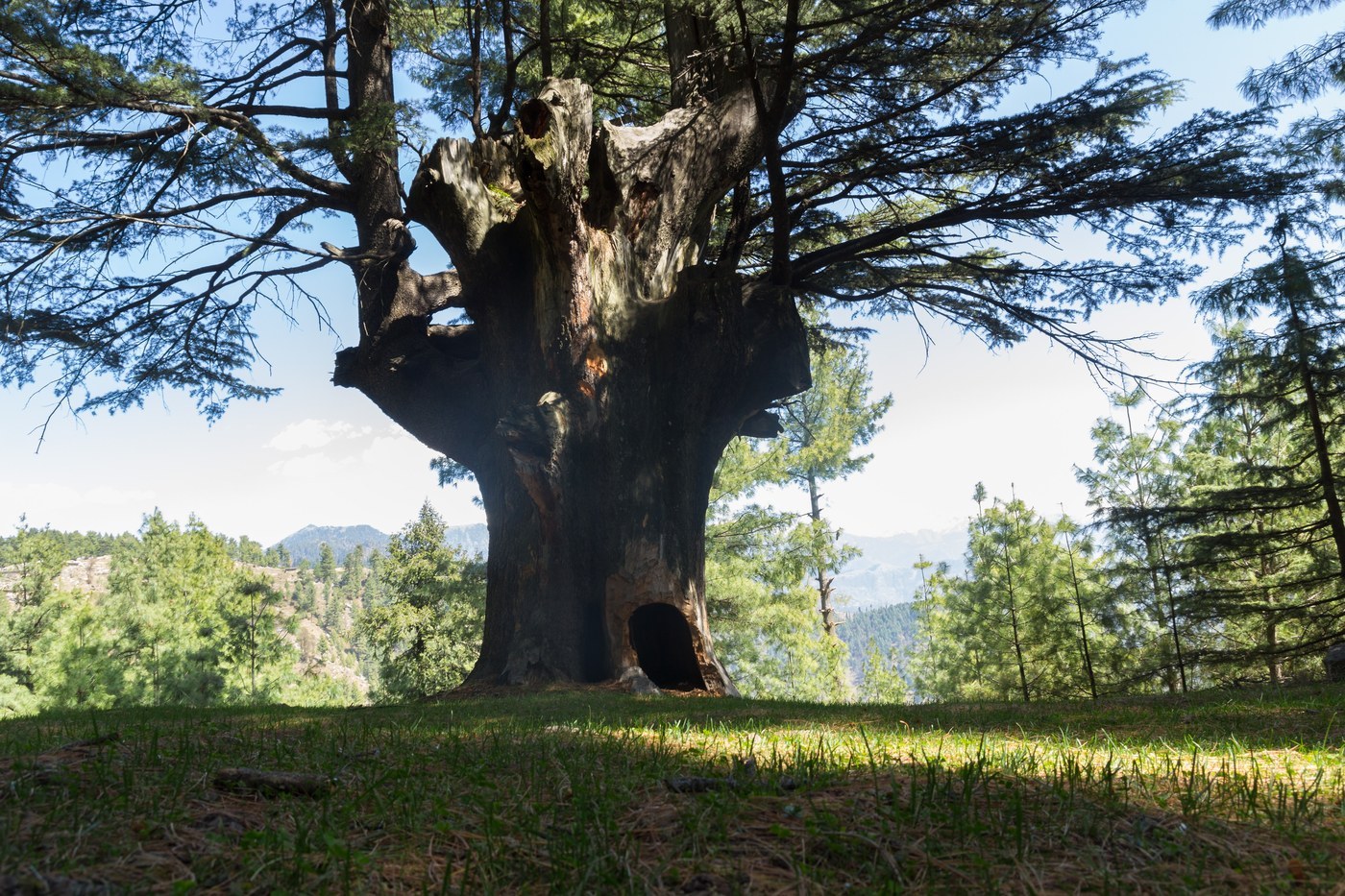
Deodar Cedar
Cedrus deodara
Deodar Cedar is a graceful true cedar with gently drooping branches and soft blue-green needles. It is a popular large ornamental tree with an elegant, weeping silhouette.
- Light
- Full sun
- Water
- Moderate when young; drought tolerant when established
- Difficulty
- Easy
Got a plant like this?
Identify any plant from a photo, free.
Overview
Deodar Cedar (Cedrus deodara) is a large evergreen conifer native to the western Himalayas. It is the most gracefully pendulous of the true cedars, with softly drooping branch tips and a nodding leading shoot.
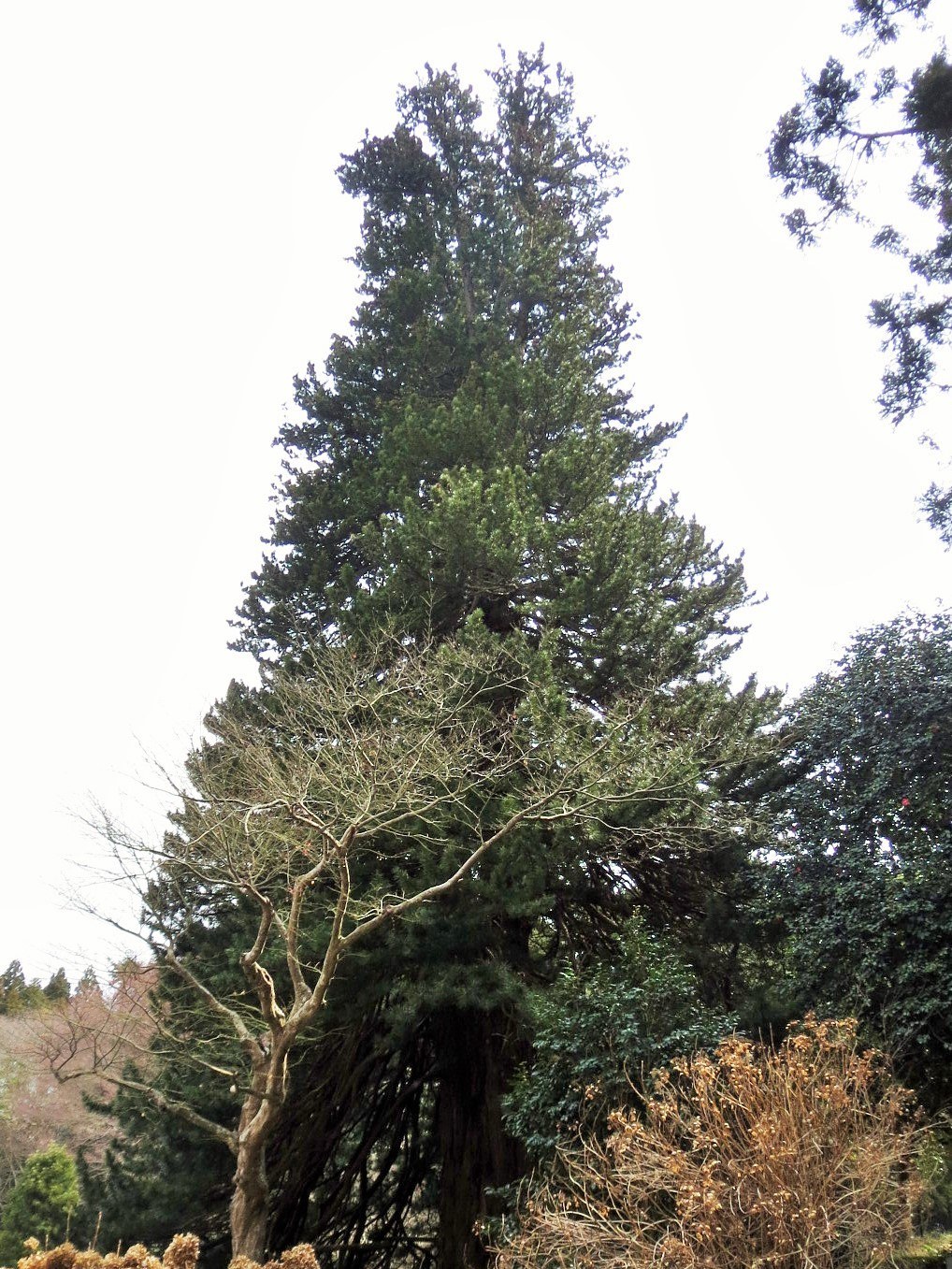
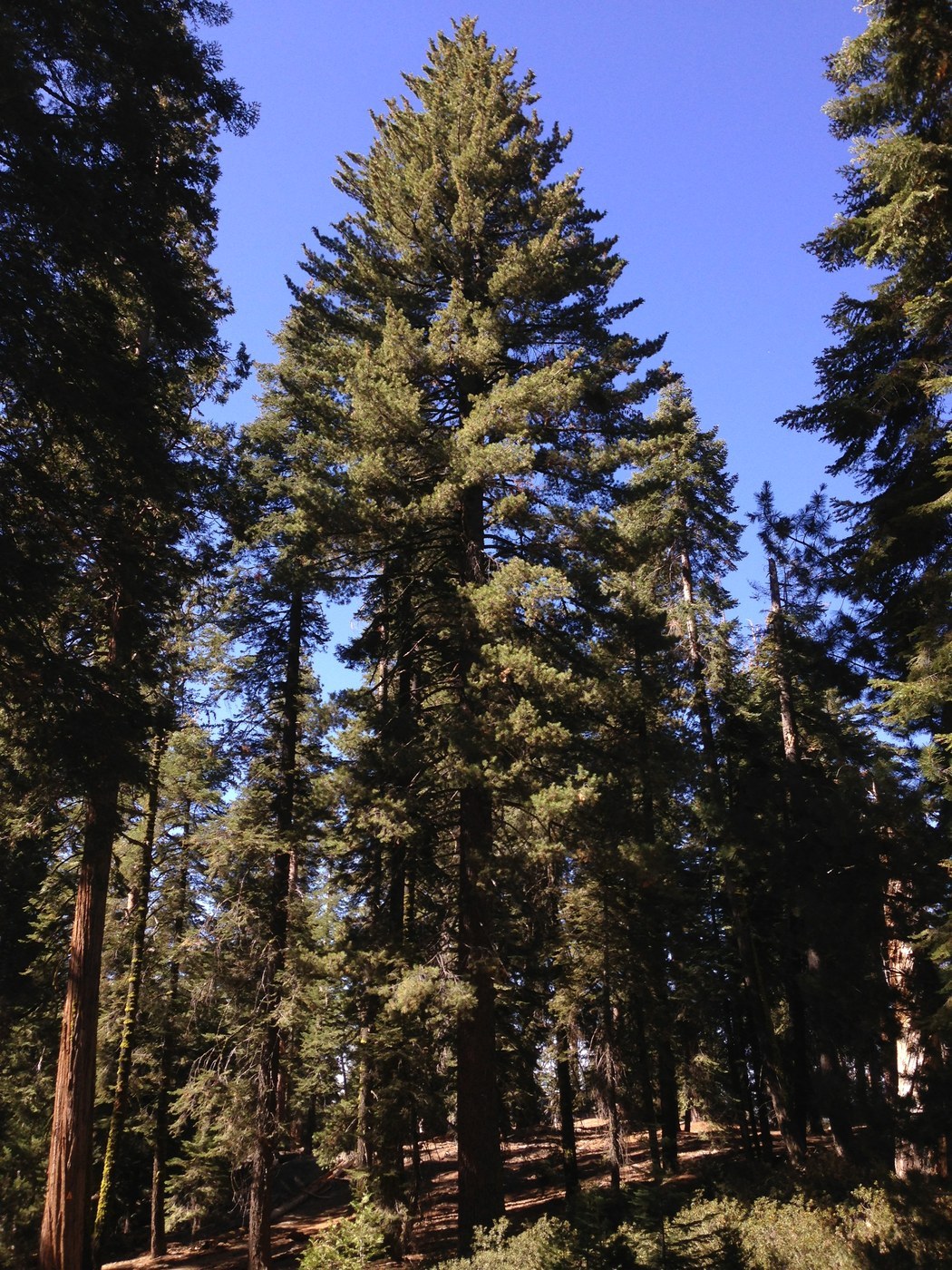
It forms a broad pyramidal tree 40 to 70 feet tall in cultivation (much larger in the wild), clothed in soft blue-green to grey-green needles. Its elegant, weeping habit and relatively fast growth make it a favored specimen tree for large gardens and parks.
The deodar is revered in its native region; its name derives from a Sanskrit term meaning "timber of the gods," reflecting its sacred status and prized timber.
How to identify it
Identified by clustered needles, drooping tips, and large barrel cones.
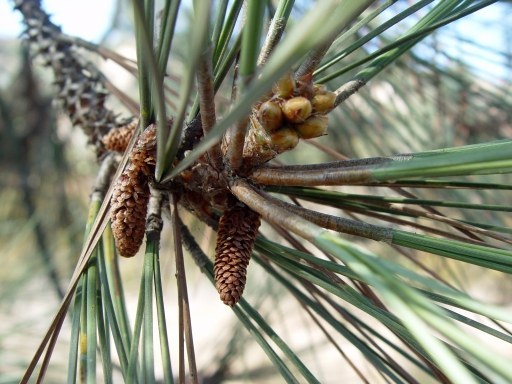
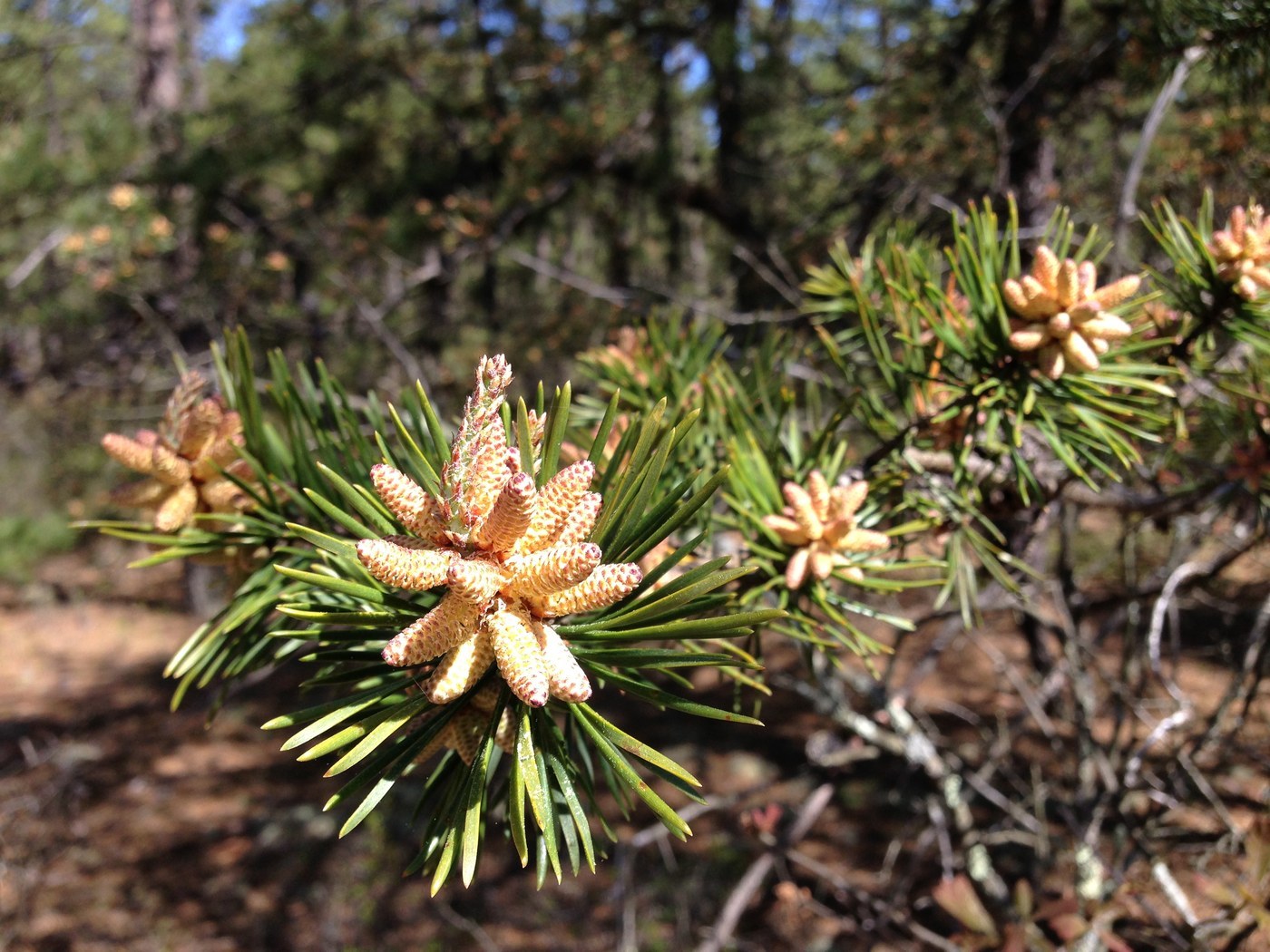
- Needles: Soft, slender needles about 1 to 2 inches long, blue-green to grey-green, borne singly on new shoots and in tufted clusters on short spurs
- Habit: Broadly pyramidal with distinctly drooping branch tips and a nodding leader
- Cones: Large, upright, barrel-shaped cones 3 to 5 inches long that disintegrate on the tree when ripe
- Bark: Greyish-brown, becoming fissured into scaly plates
- Size: 40 to 70 feet tall in gardens; much larger in native forests
Care & growing
An easy, fairly fast-growing cedar for warm-temperate climates.
- Light: Full sun
- Water: Regular water while establishing; drought tolerant once mature
- Soil: Well-drained soil; tolerates a range of types but dislikes wet feet
- Temperature: Hardy in USDA zones 7 to 9 (some cultivars hardier); the most cold-sensitive of the common cedars
- Feeding: Light feeding in spring if needed
- Space: Give it room; it becomes a large, wide tree
- Propagation: Species from seed; cultivars grafted
Habitat & origin
Native to the western Himalayas, including parts of Afghanistan, Pakistan, India, and Nepal, where it forms extensive forests at high elevations.
It is widely planted as an ornamental specimen in parks and large gardens across warm-temperate regions, including the southern and western United States, southern Europe, and Australia. It is the national tree of Pakistan.
Frequently asked questions
How big does Deodar Cedar get?
In cultivation it commonly reaches 40 to 70 feet tall with a broad spread, so it needs plenty of space. In its native Himalayan forests it can grow considerably taller.
How is it different from other cedars?
It is the most weeping of the true cedars, with softly drooping branch tips and a nodding top shoot, while Atlas and Lebanon cedars are stiffer and more horizontal in habit.
Is it drought tolerant?
Once established, yes. It needs regular water while young but becomes fairly drought tolerant as a mature tree, provided the soil drains well.
Is it a true cedar?
Yes. Unlike red cedar or white cedar, which are junipers and thujas, the deodar is a genuine cedar in the genus Cedrus.
Deodar Cedar guides
In-depth guides for identifying, growing, and caring for Deodar Cedar.
How to Care for Deodar Cedar
Deodar Cedar is a graceful, weeping evergreen for full sun and well-drained soil — easy, drought-tolerant, and elegant.
Deodar Cedar Identification Guide
Identify the Deodar Cedar (Cedrus deodara) by its gracefully drooping branch tips, nodding leader, and soft needles clustered in tufts on short spurs.