How to Care for Devil's Backbone
Grow the easy, sculptural Devil's Backbone with its zigzag stems in bright light, water only when dry, and enjoy a drought-tolerant houseplant.
Read the full Devil's Backbone encyclopedia entry →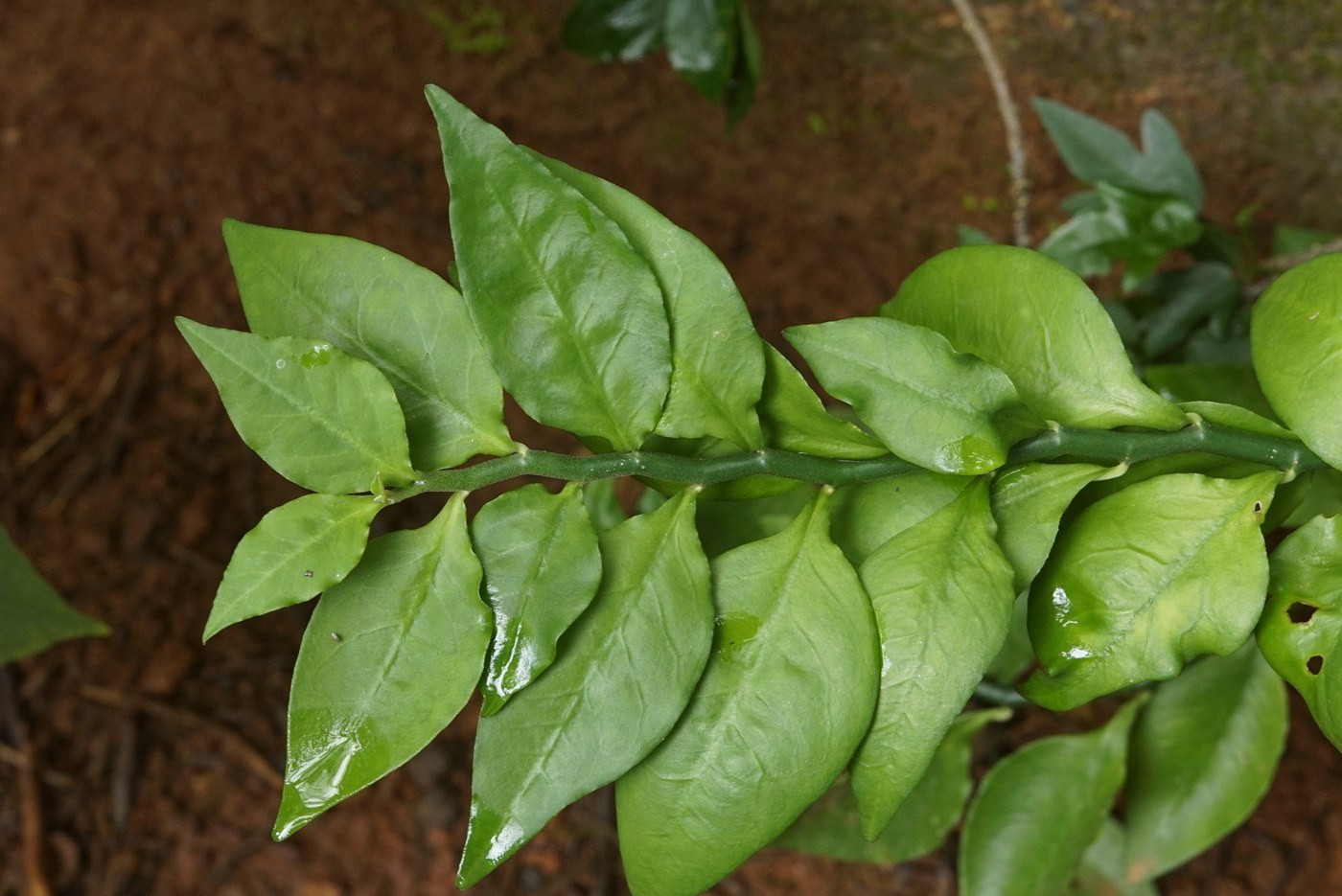
Devil's Backbone (Euphorbia tithymaloides) is a distinctive succulent shrub grown for its striking zigzag stems and, in variegated forms, its cream-and-green leaves that often flush pink. Easy-going and drought-tolerant, it makes a sculptural houseplant or, in frost-free climates, an eye-catching landscape accent.
Light
Provide bright light with some direct sun for the best form and color. A sunny windowsill or a bright spot with a few hours of direct sun keeps stems compact and encourages the pink blush on variegated types. In too little light the plant stretches, stems space out, and variegation fades. Acclimate gradually to strong sun to avoid stressing the foliage.
Water
Water only when the soil has dried out. As a succulent Euphorbia, Devil's Backbone stores water in its stems and is highly drought tolerant, so it is far better to underwater than overwater. Let the top portion of the soil dry between drinks, then water thoroughly and allow excess to drain. Reduce watering markedly in winter when growth slows.
Soil & Potting
Use a fast-draining, gritty mix such as a cactus or succulent blend amended with extra perlite or coarse sand. Sharp drainage is essential to prevent root rot. Always plant in a container with drainage holes; a terracotta pot helps wick away excess moisture and suits this plant's dry-loving roots.
Humidity & Temperature
Devil's Backbone prefers warm, average-to-dry indoor conditions and is not fussy about humidity. It thrives in typical room temperatures and enjoys warmth during the growing season. It is not frost-hardy, so protect it from cold drafts and bring container plants indoors before temperatures drop.
Feeding
Feed lightly during the active growing season from spring through summer with a diluted balanced or succulent fertilizer roughly once a month. It is a modest feeder, so avoid over-fertilizing, which produces weak, leggy growth. Suspend feeding entirely in autumn and winter.
Propagation
Propagate easily from stem cuttings in spring or summer. Take a healthy cutting, allow the cut end to callus over for a day or two, then insert it into dry, gritty succulent mix. Water sparingly until roots form. Note that cut Euphorbia stems exude a milky sap, so wear gloves and handle cuttings carefully.
Repotting / Pruning
Repot every couple of years or when the plant outgrows its container, moving up one pot size in spring. Prune to control height and encourage bushier branching; cutting back leggy stems keeps the plant compact and shapely. Wear gloves when pruning to avoid contact with the sap, and use clean, sharp tools.
Common Problems & Pests
Overwatering and root rot are the most common problems, signaled by soft, yellowing, or mushy stems; correct by improving drainage and easing off water. Leggy, stretched growth indicates insufficient light. Watch for mealybugs and spider mites, especially on indoor plants, and treat promptly by wiping stems and improving air circulation.
Seasonal Care Tips
In spring and summer, provide bright light, resume regular feeding, and water when the soil dries. This is the ideal window for propagation and repotting. In autumn, taper off feeding and reduce watering as growth slows. Through winter, keep the plant warm, in bright light, and water only sparingly to see it safely through its rest period.
Frequently asked questions
Why are the stems of my Devil's Backbone turning soft and yellow?
Soft, yellowing, or mushy stems are classic signs of overwatering and root rot. Let the soil dry out fully, ensure the pot drains freely, use a gritty succulent mix, and water only when the soil is dry.
Why is my Devil's Backbone stretching out and losing its color?
Stretched, widely spaced stems and faded variegation mean it needs more light. Move it to a brighter spot with some direct sun to restore compact growth and the pink blush on variegated forms.
How do I propagate Devil's Backbone?
Take a stem cutting in spring or summer, let the cut end callus for a day or two, then plant it in dry, gritty succulent mix and water sparingly until roots form. Wear gloves, as the stems exude a milky sap.
How often should I water Devil's Backbone?
Only when the soil has dried out. It is a drought-tolerant succulent that stores water in its stems, so it prefers to run dry between waterings. Cut back significantly in winter when growth slows.
Devil's Backbone identified by the community
Recent Devil's Backbone specimens identified with Plant Identifier.