
How to Care for Dewberry
Grow dewberry, a low, trailing bramble, with full sun, moderate water, and simple trellising for a tidy, productive vine.
Read the full Dewberry encyclopedia entry →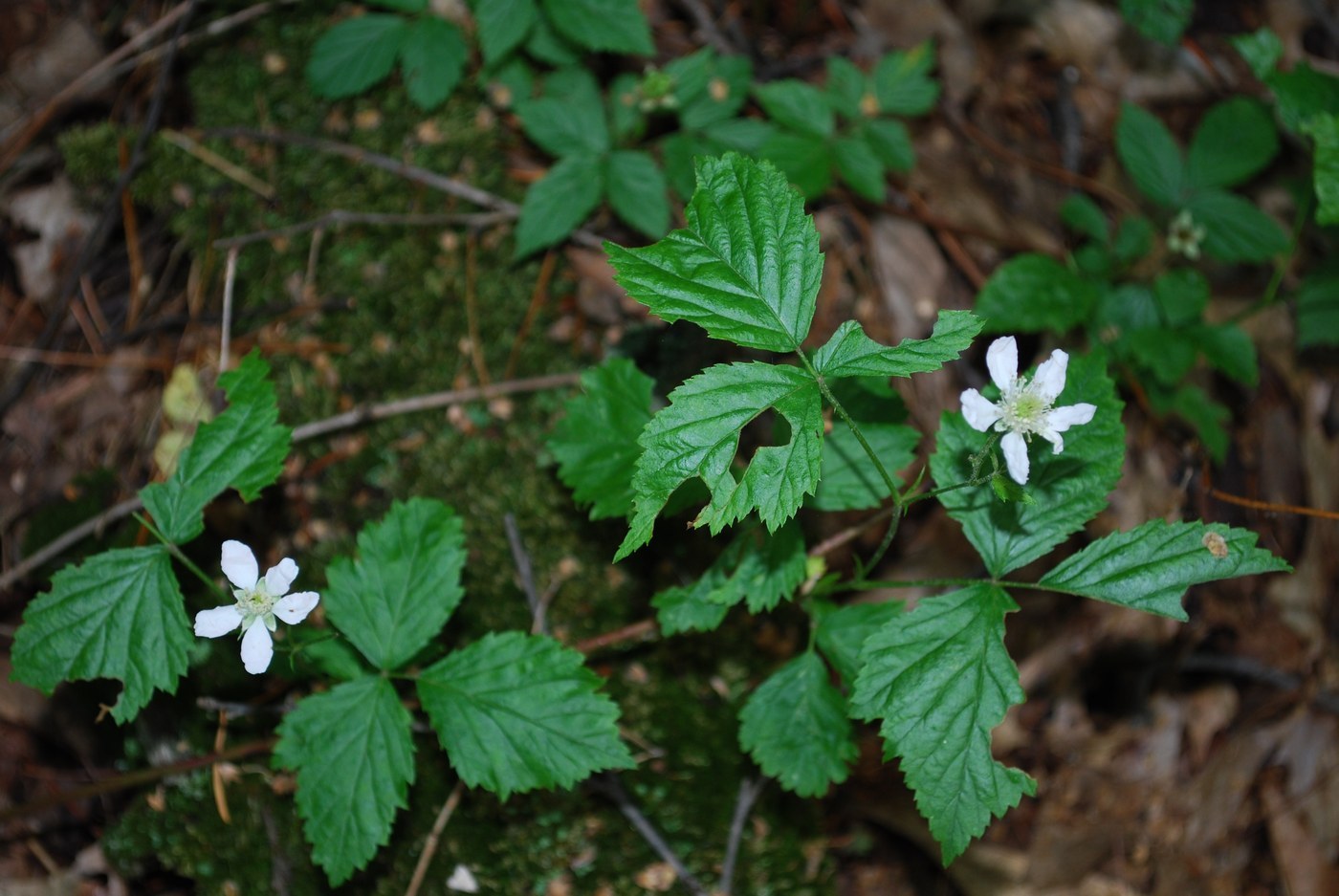
Dewberry (Rubus flagellaris) is a low-growing, trailing bramble in the same genus as blackberries, prized as a rugged, easy-care ground-covering shrub for sunny slopes and informal borders. Its arching, thorny canes root where they touch soil, so a little training keeps it ornamental rather than sprawling.
Light
Dewberry performs best in full sun, which encourages dense, vigorous cane growth and heavy flowering. It tolerates partial shade, but plants in shadier spots grow leggier and bloom less. Aim for at least 6 hours of direct sun where possible.
Water
Give moderate, even moisture during the first growing season while roots establish. Once mature, dewberry is quite drought-tolerant and gets by on natural rainfall, though a deep soak during extended dry spells keeps foliage lush. Avoid waterlogged ground, which invites root problems.
Soil & Potting
This adaptable bramble thrives in well-drained loam but tolerates poor, sandy, or rocky soils. It prefers slightly acidic to neutral pH. Work in compost at planting to improve structure and moisture retention. In containers, use a free-draining potting mix and a wide, deep pot to accommodate its spreading roots.
Humidity & Temperature
Dewberry is a hardy temperate plant, comfortable across a wide range of outdoor conditions and tolerant of both heat and winter cold. Ambient humidity is rarely a concern outdoors; good airflow between canes is more important than any specific humidity level.
Feeding
Feed lightly in early spring with a balanced granular fertilizer or a top-dressing of compost as new growth begins. Excess nitrogen produces soft, floppy canes at the expense of flowering, so keep feeding modest. A second light feed after flowering supports next season's growth.
Propagation
Dewberry propagates readily by tip layering: bury the tip of a trailing cane in soil in late summer and it will root within a few weeks, ready to sever and transplant the following spring. It also grows from division of rooted crowns or from seed, though seed is slower and more variable.
Repotting / Pruning
Prune out old, spent canes at ground level after they finish fruiting, since dewberry produces on second-year wood. Thin crowded canes to improve airflow and remove any weak or damaged growth in late winter. Container plants can be refreshed every couple of years by dividing and repotting into fresh mix.
Common Problems & Pests
Watch for aphids on tender new tips, spider mites in hot dry weather, and occasional cane borers. Fungal issues such as rust, anthracnose, and gray mold appear in damp, crowded plantings, so prioritize airflow and prompt removal of diseased canes. Keeping the base weed-free reduces pest habitat.
Seasonal Care Tips
In spring, feed lightly and train new canes onto supports. Summer calls for consistent watering in drought and tip-layering to expand the patch. In autumn, remove finished canes and tidy the crown. In cold-winter regions, a layer of mulch protects roots, though established plants are reliably hardy.
Frequently asked questions
Does dewberry need a trellis?
It doesn't strictly need one, but its trailing, thorny canes sprawl and root where they touch soil. A low trellis or wire keeps growth tidy, improves airflow, and makes the plant easier to manage.
How much sun does dewberry need?
Full sun is ideal, at least 6 hours daily, for the strongest canes and best flowering. It tolerates partial shade but grows leggier and blooms less in shadier spots.
Why are my dewberry canes floppy and unproductive?
Too much nitrogen or too much shade produces soft, leggy canes with few flowers. Move it to brighter light and reduce feeding to a light spring application.
When should I prune dewberry?
Cut spent canes to the ground after they finish fruiting, since it bears on second-year wood. Thin crowded canes and remove weak growth in late winter for better airflow.