How to Care for Dianthus
Grow Dianthus (Dianthus caryophyllus) for its fringed, clove-scented blooms with full sun, lean soil, and steady deadheading.
Read the full Dianthus encyclopedia entry →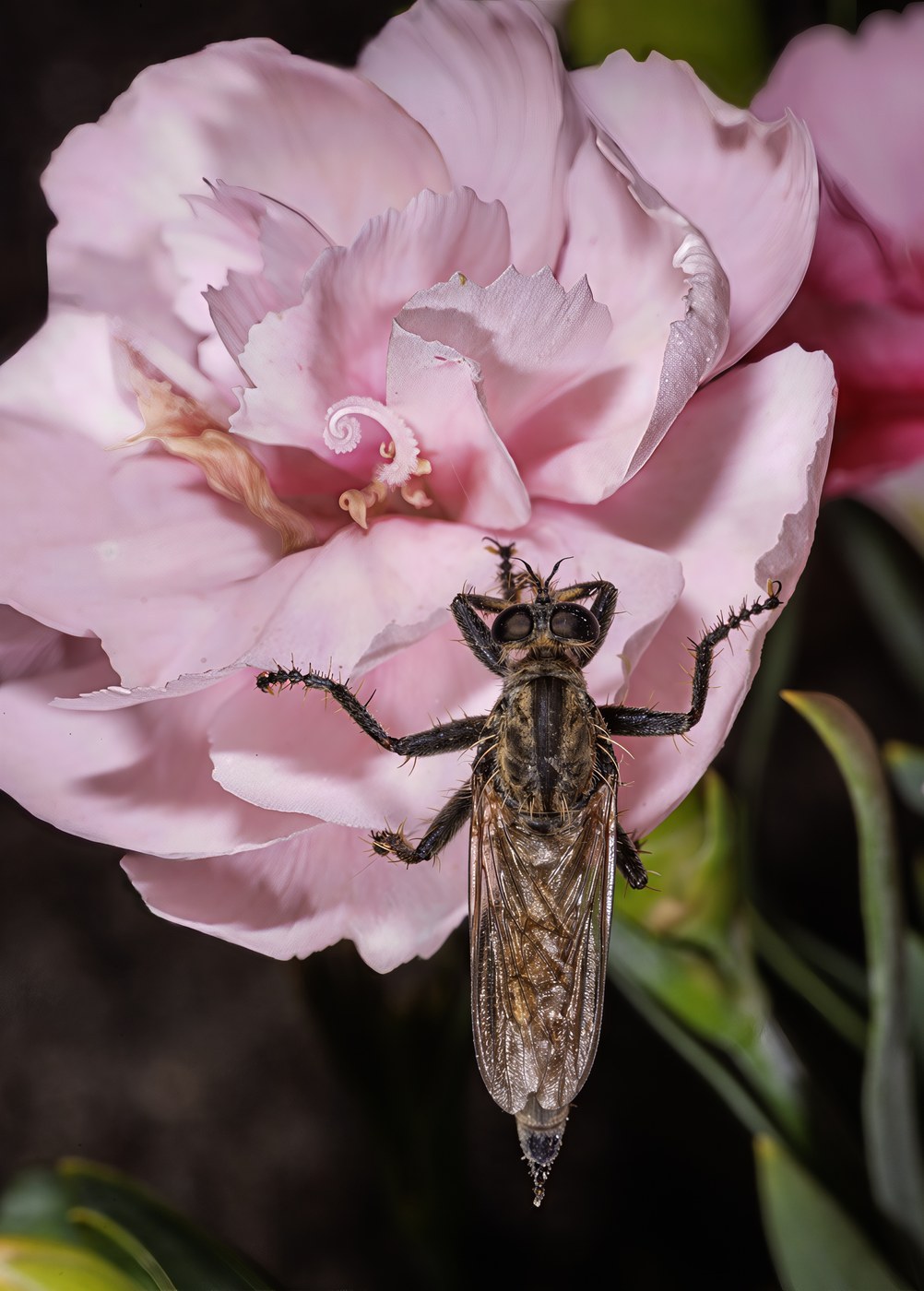
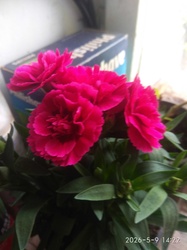
Dianthus (Dianthus caryophyllus), the classic carnation and its many pinks, is a beloved cottage-garden flower with fringed, often clove-scented blooms in shades of pink, red, white, and bicolors. Its tidy mounds of blue-green grassy foliage and long bloom season make it a reliable, easy performer.
Light
Dianthus flowers best in full sun, needing at least six hours of direct light daily for abundant blooms and sturdy, compact growth. In very hot climates a little afternoon shade can prolong flowering, but too much shade leads to floppy stems and sparse blooming.
Water
Water moderately, aiming to keep the soil lightly moist but never soggy. Water at the base of the plant and avoid wetting the foliage, which helps prevent fungal problems. Once established, Dianthus tolerates short dry spells; let the surface dry between waterings.
Soil & Potting
Plant in fertile, well-drained soil with a neutral to slightly alkaline pH; Dianthus dislikes acidic, waterlogged ground. Good drainage is essential to prevent crown and root rot. In containers, use a quality potting mix and ensure drainage holes are open.
Humidity & Temperature
Dianthus favors moderate temperatures and does much of its best blooming in the cooler parts of spring and fall. High heat and humidity can slow flowering and encourage disease, so airflow around the plants is important. Many types are cold hardy and return year after year.
Feeding
Feed with a balanced fertilizer at planting and again lightly during the growing season to support continuous blooming. Avoid heavy nitrogen, which promotes lush foliage at the expense of flowers. A light, steady feeding routine keeps plants blooming without becoming leggy.
Propagation
Dianthus can be grown from seed sown in spring, from stem cuttings taken in summer, or by dividing established clumps. Cuttings root readily in a light medium, and division every few years rejuvenates older plants that have become woody or open in the center.
Repotting / Pruning
Deadhead spent blooms regularly to encourage repeat flowering throughout the season. After the main flush, shear the plants back lightly to tidy the mounds and prompt fresh growth and more flowers. Divide and replant crowded clumps in spring or fall to keep them vigorous.
Common Problems & Pests
The most common issues stem from wet conditions: crown rot, root rot, and fungal leaf spots or rust, all worsened by overhead watering and poor drainage. Aphids and spider mites may appear; a strong water spray or insecticidal treatment helps. Good spacing and airflow prevent most problems.
Seasonal Care Tips
Plant in spring after the ground warms, or in fall in mild climates. Deadhead through the season and shear after the first flush for a second wave of bloom. In cold regions, a light winter mulch protects perennial types, but keep it off the crown to avoid rot.
Frequently asked questions
Why isn't my Dianthus blooming much?
Insufficient sun and too much nitrogen are the usual culprits. Give it at least six hours of direct sun, deadhead spent flowers, and avoid high-nitrogen feed.
Should I deadhead Dianthus?
Yes. Removing spent blooms regularly encourages repeat flowering, and shearing the plant lightly after the main flush prompts a fresh wave of blooms.
Why is my Dianthus rotting at the base?
Crown and root rot come from soggy soil and overhead watering. Plant in well-drained, neutral-to-alkaline soil and water at the base, keeping foliage dry.
How do I propagate Dianthus?
Grow from seed in spring, root summer stem cuttings in a light mix, or divide established clumps every few years to rejuvenate woody plants.
Dianthus identified by the community
Recent Dianthus specimens identified with Plant Identifier.