Dianthus
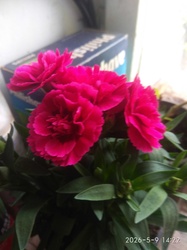
Dianthus caryophyllus
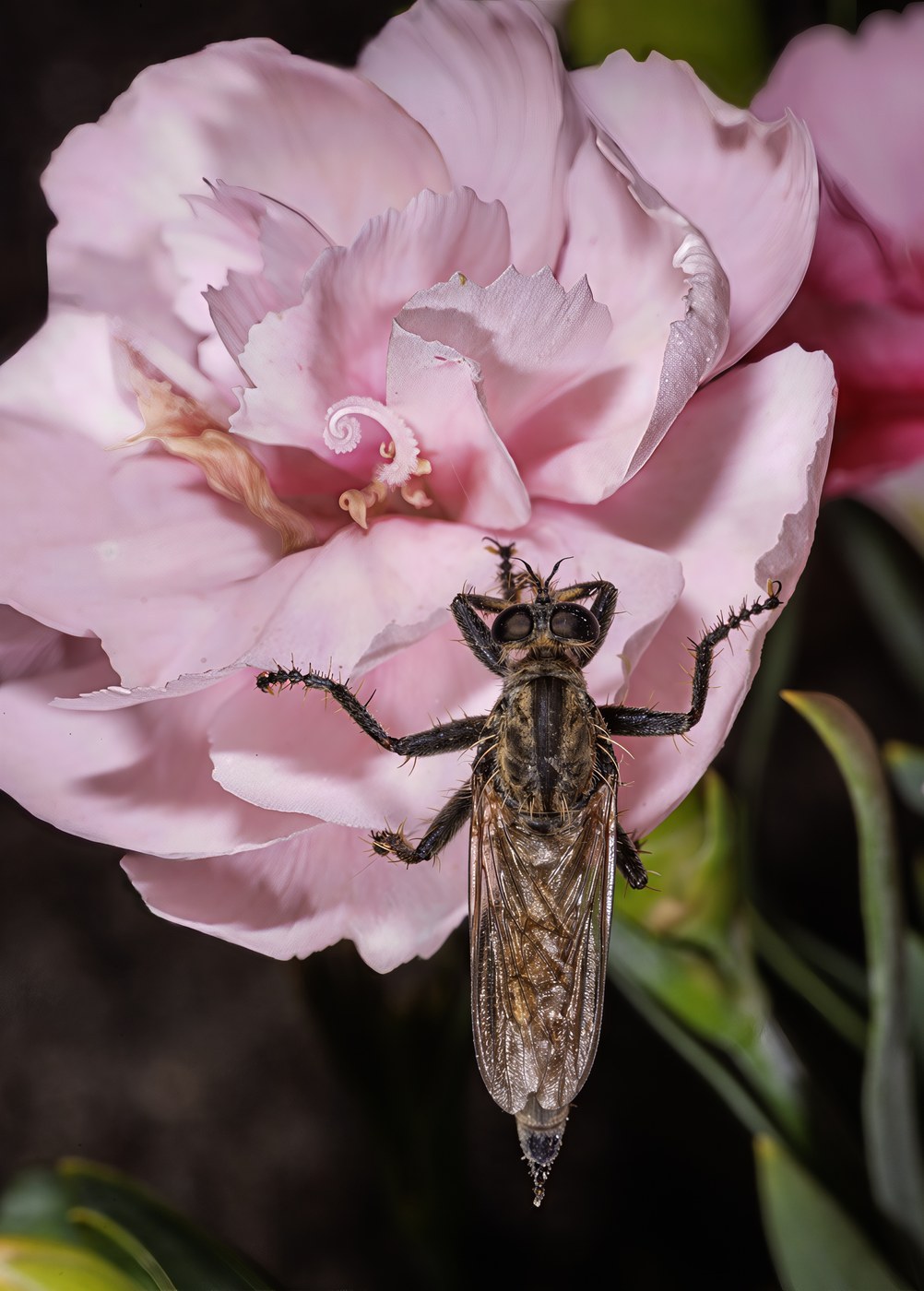
Dianthus, commonly called pinks or carnations, are flowering plants known for their fringed, clove-scented blooms in shades of pink, red, white and bicolor. They are classic cottage-garden favorites that bloom prolifically in cool weather.
- Light
- Full sun
- Water
- Moderate; avoid wet foliage
- Difficulty
- Easy
Got a plant like this?
Identify any plant from a photo, free.
Overview
Dianthus is a large genus of about 300 species that includes carnations (Dianthus caryophyllus), cottage pinks (Dianthus plumarius), and sweet William (Dianthus barbatus). The name comes from Greek for "divine flower."
These plants are loved for their spicy, clove-like floral fragrance and their neat mats or tufts of slender, grayish-green foliage. Many are perennials, while some are grown as annuals or biennials.
The common name "pinks" refers not to the color but to the fringed, "pinked" edges of the petals, as if cut with pinking shears.
How to identify it
Recognizable by frilly-edged flowers and grassy blue-green leaves.
- Flowers: Five petals with toothed or fringed edges, often clove-scented, in pink, red, white, salmon, or bicolor; single or double
- Leaves: Narrow, linear, grayish-blue-green, in opposite pairs along jointed stems
- Habit: Low mounds or tufts, typically 6-18 in tall depending on species
- Stems: Swollen, knee-like nodes are characteristic
Care & growing
Pinks thrive in sun and sharp drainage.
- Light: Full sun, at least 6 hours daily
- Water: Moderate; keep water off the foliage to prevent rot and let soil dry between
- Soil: Well-drained, neutral to slightly alkaline soil; they dislike acidic, soggy ground
- Temperature: Most are hardy in USDA zones 3-9; they bloom best in cool weather
- Feeding: Light, balanced feeding in spring
- Propagation: Cuttings, division, layering, or seed
- Tip: Deadhead regularly to extend bloom and prevent flopping
Habitat & origin
Dianthus species are native primarily to Europe and Asia, with a strong concentration around the Mediterranean. They naturally grow on rocky outcrops, alpine meadows, and well-drained grassland.
Today they are cultivated worldwide in borders, rock gardens, edging, and the cut-flower trade, with the florist carnation being one of the most economically important.
Frequently asked questions
Why are they called pinks if they come in many colors?
The name refers to the fringed, "pinked" petal edges, not the color. The verb "to pink" means to cut a zigzag edge.
Are dianthus perennials or annuals?
It depends on the species. Cottage pinks are perennial, sweet William is usually biennial, and some bedding types are grown as annuals.
Do dianthus flowers have a clove scent?
Many do. The spicy clove-like floral fragrance is one of the genus's most celebrated traits, though some modern hybrids have little scent.
How do I keep dianthus blooming?
Give full sun, deadhead spent flowers regularly, and shear lightly after the first flush to encourage repeat bloom.
Dianthus guides
In-depth guides for identifying, growing, and caring for Dianthus.
How to Care for Dianthus
Grow Dianthus (Dianthus caryophyllus) for its fringed, clove-scented blooms with full sun, lean soil, and steady deadheading.
Dianthus Identification Guide
How to identify dianthus (pinks, carnations, and sweet William) by their fringed petals, swollen-jointed blue-green stems, and clove-like scent.
Dianthus identified by the community
Real specimens identified with Plant Identifier.