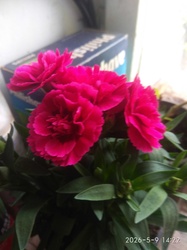
Dianthus Identification Guide
How to identify dianthus (pinks, carnations, and sweet William) by their fringed petals, swollen-jointed blue-green stems, and clove-like scent.
Read the full Dianthus encyclopedia entry →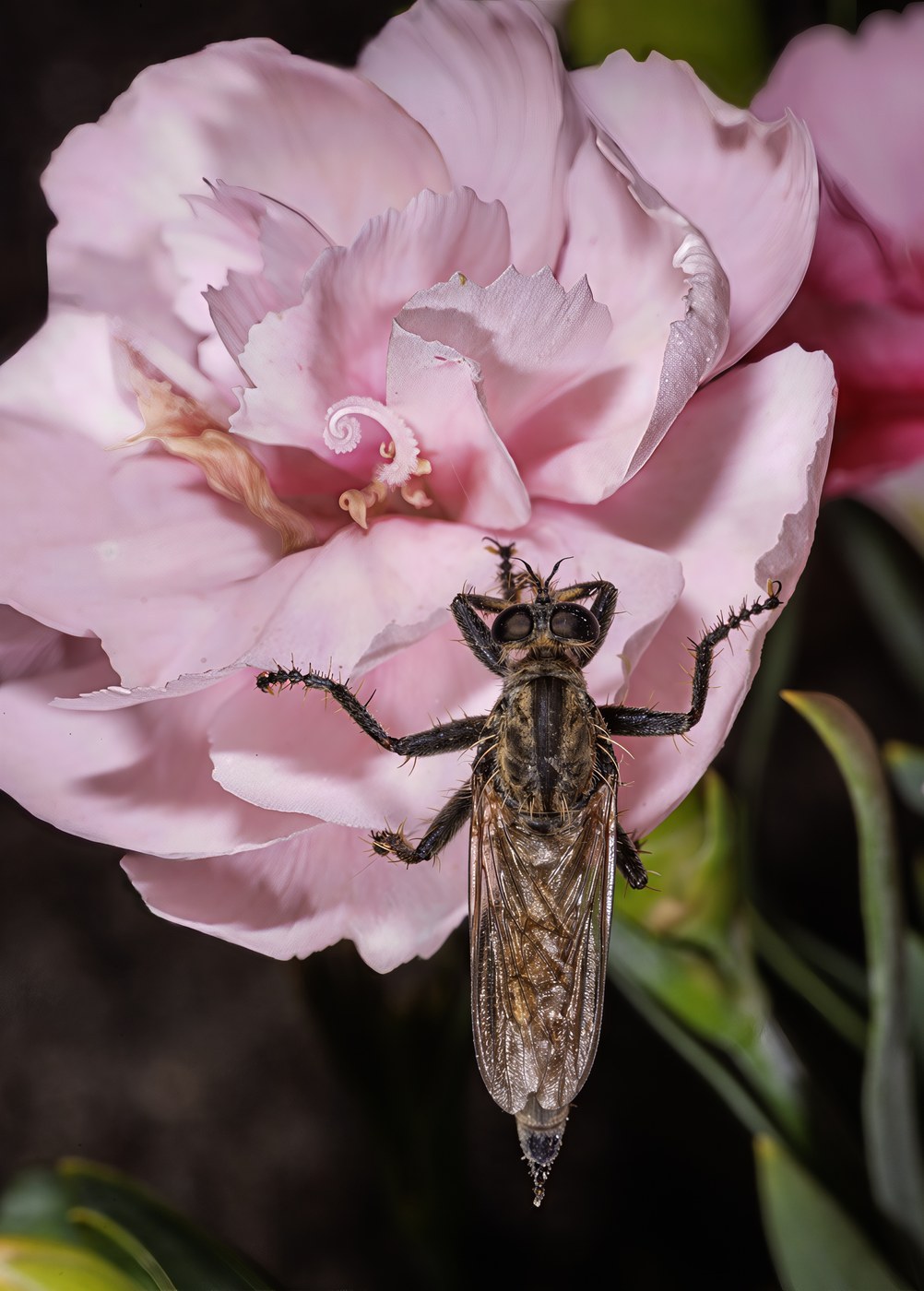
Key Identifying Features
Dianthus is a genus of about 300 species in the carnation family (Caryophyllaceae) that includes garden pinks, carnations, and sweet William. The classic clue is the flower petal: five petals whose outer edges are often toothed, fringed, or "pinked" (cut as if with pinking shears) — which is actually the origin of the word "pink." Many have a sweet, spicy clove fragrance.
- Five petals, usually with fringed or toothed (frilled) edges
- Petals frequently with a contrasting dark eye or zone at the center
- Flowers solitary or clustered, sitting on a tubular calyx with a ring of small scale-like bracts at its base
- Blue-green (glaucous), grass-like foliage and swollen, jointed stem nodes
Leaves & Stems
Leaves are narrow, linear to lance-shaped, and opposite, often slightly grayish or blue-green and waxy. They clasp the stem at distinctly swollen, knee-like joints (nodes) — a feature shared across the pink family and easy to feel with a fingernail. Stems are slender, smooth, and round to slightly angled. Many alpine and border pinks form low grassy mats or cushions of foliage.
Flowers & Fruit
Colors run from white and pink to crimson, salmon, and bicolors, very often with a darker central eye or lacing. The flower base is enclosed in a firm cylindrical calyx tube, and at the bottom of that tube you'll see small overlapping epicalyx bracts — a reliable genus marker. Sweet William (D. barbatus) packs many flat flowers into dense flat-topped heads, while carnations and pinks bear one to a few larger blooms per stem. Fruit is a small dry capsule opening by teeth at the top.
How to Tell It Apart from Look-Alikes
- Phlox: five-petaled and clustered, but petals are flat and untoothed, leaves are broader, and there are no swollen jointed nodes.
- Soapwort (Saponaria): a close relative with similar jointed stems, but petals are not fringed and lack the epicalyx bracts at the calyx base.
- Catchfly / campion (Silene): also Caryophyllaceae, but the calyx is often inflated and petals are usually notched (2-lobed), not fringed all around.
Where You'll Find It
Dianthus are popular in rock gardens, borders, edging, and containers, favoring full sun and well-drained, neutral to alkaline soil. Some species have naturalized on dry banks, old walls, and grasslands. The clove scent and frilled petals make established clumps unmistakable in early summer.
Quick ID Checklist
- Five petals with fringed/toothed edges
- Often a dark central eye and clove fragrance
- Blue-green, narrow opposite leaves with swollen nodes
- Tubular calyx with small bracts at its base
- Low grassy mat (pinks) or flat-topped cluster (sweet William)
Frequently asked questions
Why are these flowers called "pinks" if they come in many colors?
The name refers to the petal edges, which look as though they were trimmed with pinking shears. The verb "to pink" (to cut a zigzag edge) predates and gave rise to the color name.
How do I tell a carnation from a garden pink?
Both are Dianthus. Carnations (D. caryophyllus) are taller with larger, very double blooms and grayer foliage, while pinks are lower, mat-forming, and have smaller, often single or semi-double flowers.
Is the clove scent a reliable identifier?
Largely yes. Many dianthus, especially old-fashioned pinks and clove carnations, have a distinctive spicy clove fragrance, though some modern hybrids have been bred with little scent.
What separates dianthus from similar five-petaled flowers like phlox?
Check the petal edges and stem. Dianthus petals are fringed and the stems have swollen jointed nodes with narrow blue-green leaves, whereas phlox has flat untoothed petals and broader leaves.
Dianthus identified by the community
Recent Dianthus specimens identified with Plant Identifier.