How to Care for Dragon Fruit
Grow dragon fruit (Hylocereus undatus), a climbing night-blooming cactus, with strong support, warmth, bright light, and moderate water.
Read the full Dragon Fruit encyclopedia entry →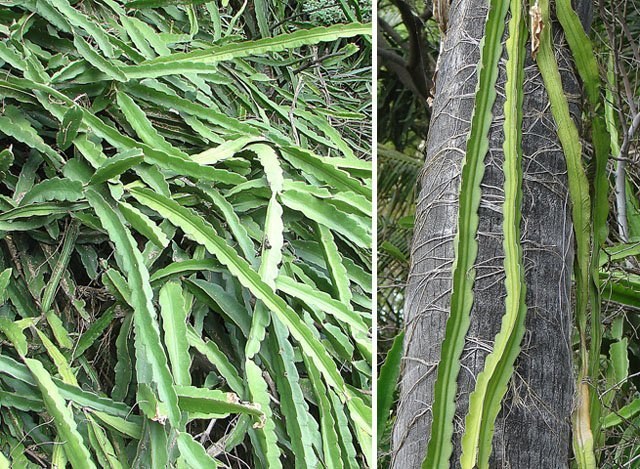
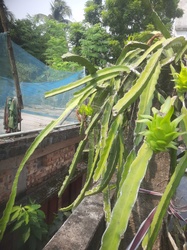
Dragon fruit (Hylocereus undatus) is a vigorous, climbing tropical cactus with sprawling three-sided stems and spectacular fragrant flowers that open for a single night. It is a moderate-difficulty plant that rewards a warm spot, sturdy support, and restrained watering.
Light
Give dragon fruit full sun to very bright light. In cooler or temperate regions maximum sun drives the strongest growth, while in hot desert climates some afternoon shade prevents the fleshy stems from sunburning and turning yellow or corky. Indoors, place it at the brightest window possible or supplement with a grow light.
Water
Water moderately and let the soil dry out between waterings, as with other cacti. Despite being a cactus, this species is more thirsty than desert types during active growth and appreciates regular water in warm weather, but the roots rot quickly if kept soggy. Reduce watering sharply in cool weather and through winter dormancy, giving only enough to keep the stems from shriveling.
Soil & Potting
Plant in a fast-draining, gritty mix; a cactus-and-succulent blend amended with extra perlite or coarse sand is ideal. Good drainage is critical. In containers use a wide, sturdy pot, since these plants become heavy and top-loaded. Outdoors, choose a raised or well-drained site with organically enriched but never waterlogged soil.
Humidity & Temperature
This is a true tropical that loves warmth and cannot tolerate frost. Keep it above roughly 40-50 degrees Fahrenheit and protect from any freeze. It enjoys warm days and moderate to high humidity. In marginal climates grow it in a container that can be moved to a bright, frost-free spot indoors or in a greenhouse for winter.
Feeding
Feed regularly during the warm growing season with a balanced or slightly lower-nitrogen fertilizer to support the fast, heavy stems and encourage flowering. A cactus-formula or diluted general fertilizer every few weeks works well. Stop feeding in the cool dormant months. Excess nitrogen produces soft, lush stems that are prone to rot.
Propagation
Dragon fruit is famously easy from stem cuttings. Cut a segment of mature stem, let the cut end callus in a dry, shaded spot for a week or more, then insert it into dry cactus mix and water sparingly until roots form. Cuttings mature and flower far sooner than seed-grown plants. Seeds germinate readily but take years to reach flowering size.
Repotting / Pruning
Provide a strong trellis, post, or frame from the start, because the stems climb and cascade and will overwhelm flimsy supports. Prune to control size, remove damaged segments, and encourage branching near the top where flowering occurs. Repot heavy container plants every couple of years into fresh gritty mix, handling the stems carefully.
Common Problems & Pests
The most common problem is rot from overwatering or poor drainage, showing as soft, yellowing, or blackening stem sections; cut back to firm tissue and reduce water. Sunburn appears as bleached patches on stems exposed to sudden intense sun. Watch for scale, mealybugs, and ants; in humid conditions fungal spots can appear on the stems.
Seasonal Care Tips
In spring, resume regular watering and feeding as growth restarts and repot if needed. Through the warm months the plant grows fast and may produce its dramatic night-blooming flowers; growers often hand-pollinate in the evening to improve fruit set. In autumn, taper water and feeding. In winter keep the plant warm, dry, and frost-free, watering only lightly to prevent shriveling.
Frequently asked questions
Does dragon fruit need support to grow?
Yes. It is a climbing cactus with heavy, sprawling stems and needs a sturdy trellis, post, or frame to grow on and to hold the weight of mature growth.
How often should I water dragon fruit?
Water moderately and let the soil dry between waterings. It likes more water than desert cacti during warm growth but rots if kept constantly soggy, so cut back sharply in winter.
Why won't my dragon fruit flower?
Plants need to reach maturity, ample sunlight, warmth, and good feeding before flowering. Cutting-grown plants bloom sooner than seed-grown ones, which can take several years.
Can dragon fruit survive cold weather?
No, it is frost-tender. Keep it above about 40-50 degrees Fahrenheit and move container plants to a bright, frost-free spot for winter in cooler climates.
Dragon Fruit identified by the community
Recent Dragon Fruit specimens identified with Plant Identifier.