How to Care for Dragon Tree
Dragon tree (Dracaena marginata) is an easy, architectural houseplant tolerating medium light and infrequent watering.
Read the full Dragon Tree encyclopedia entry →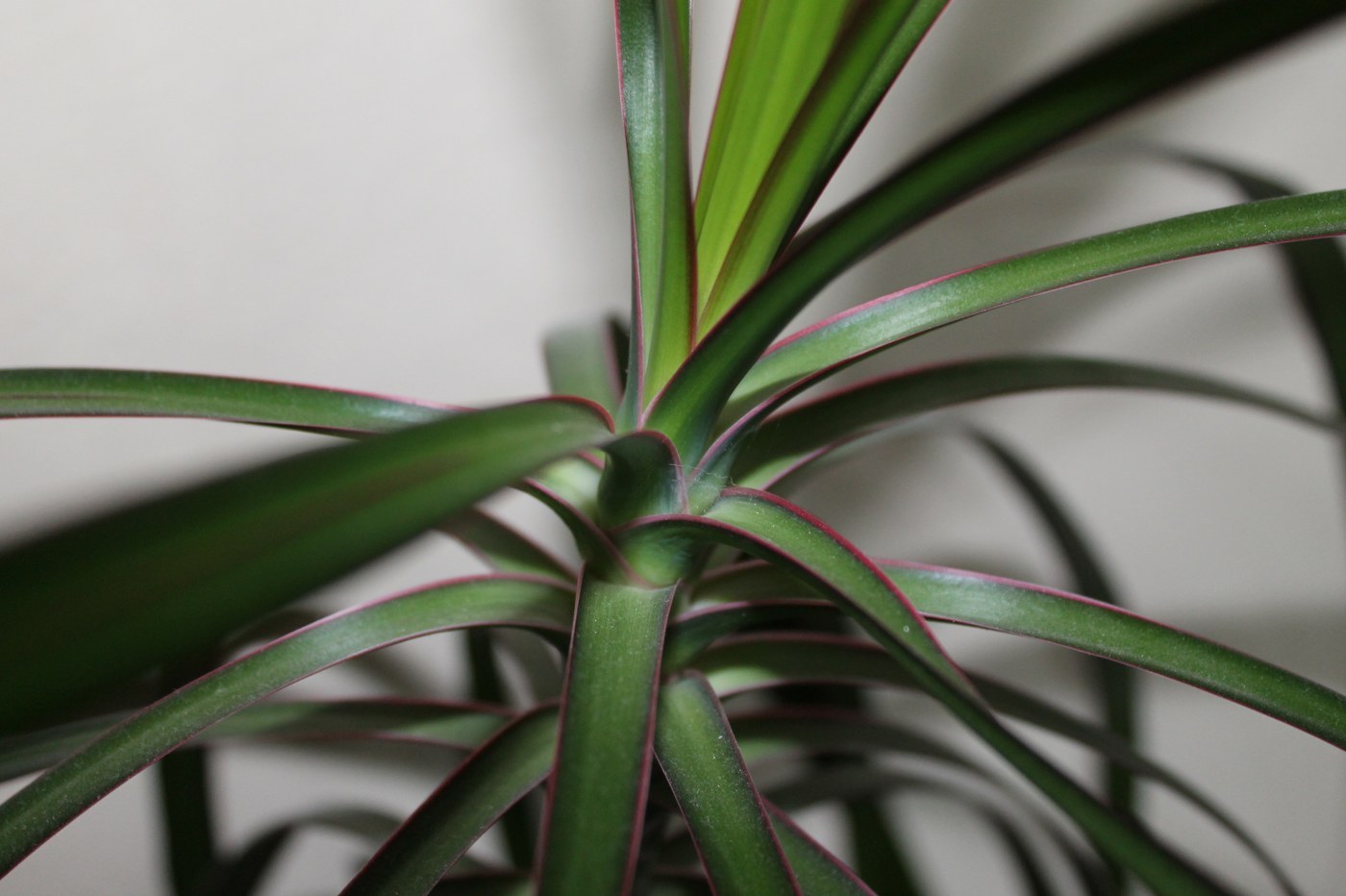
Dragon tree (Dracaena marginata) is a tough, architectural houseplant with slender canes topped by fountains of narrow, red-edged leaves. It is one of the most forgiving indoor plants, tolerating a range of light levels and infrequent watering, which makes it an easy choice for beginners.
Light
Dragon tree does best in bright indirect light, where it keeps strong leaf color and steady growth, but it also tolerates medium and lower light, simply growing more slowly with less vivid red margins. Avoid harsh direct sun, which can scorch the leaves. Rotate the plant occasionally so it grows evenly rather than leaning toward the light.
Water
Water when the top half of the soil has dried out. This dracaena is drought tolerant and far more prone to problems from overwatering than from neglect, so let it dry appreciably between waterings. When you do water, soak thoroughly and let excess drain away completely. Sensitive to fluoride and salts, it often develops brown leaf tips from tap water; using filtered, distilled, or rainwater, and letting the soil dry properly, helps prevent this.
Soil & Potting
Use a well-draining, general-purpose potting mix, ideally lightened with some perlite or bark for extra drainage. It is not fussy about soil as long as it does not stay waterlogged. Always plant in a container with drainage holes; standing water quickly causes root rot. A slightly root-bound plant is fine and can even help keep the tall canes stable.
Humidity & Temperature
Dragon tree adapts to average household humidity but appreciates a bit more, which reduces brown leaf tips. Keep it in normal room temperatures between roughly 18 and 27 C (65-80 F) and away from cold drafts, doors, and heating or cooling vents. It is not cold hardy and should be protected from temperatures below about 13 C (55 F).
Feeding
Feed lightly with a balanced, diluted houseplant fertilizer once a month during spring and summer. Dragon tree is a slow, light feeder and is sensitive to fertilizer salt buildup, so avoid overfeeding and skip fertilizer in autumn and winter when growth slows.
Propagation
Propagation is easy from stem cuttings. Cut a section of cane, and either root the top cutting in water or moist soil or place stem segments to sprout new growth. Keep cuttings warm and in bright indirect light; roots typically form over several weeks. Cutting back a tall plant often triggers new branching from below the cut.
Repotting / Pruning
Repot every two to three years or when roots fill the pot, moving up one pot size in spring. To control height or encourage a bushier, multi-headed form, prune the canes at the desired height; new shoots usually emerge just below the cut. Remove old, yellowing lower leaves as they naturally shed, which is part of how the plant forms its bare, palm-like trunk.
Common Problems & Pests
Brown leaf tips are the classic complaint, usually from fluoride or salts in tap water, underwatering, or dry air; switch to filtered water and keep moisture consistent. Yellowing lower leaves can be normal aging or a sign of overwatering. Watch for spider mites, mealybugs, and scale, especially in dry indoor air, and treat promptly with insecticidal soap or by wiping the pests off. Soft, drooping canes usually indicate root rot from overwatering.
Seasonal Care Tips
In spring and summer, the plant grows actively: water when the top half of the soil dries, feed monthly, and repot or take cuttings as needed. In autumn and winter, growth slows, so water less often, stop feeding, and keep the plant warm and away from cold windows and drafts. Wipe dust off the leaves periodically so the plant can photosynthesize efficiently year-round.
Frequently asked questions
Why does my dragon tree have brown leaf tips?
Brown tips are most often caused by fluoride and salts in tap water, but underwatering and dry air contribute too. Switch to filtered, distilled, or rainwater, keep watering consistent, and raise humidity slightly to reduce them.
How often should I water a dragon tree?
Water only when the top half of the soil has dried out, then soak thoroughly and let it drain. It is drought tolerant and far more likely to suffer from overwatering than from being too dry.
How do I make my leggy dragon tree bushier?
Prune the canes at the height you want. New shoots usually sprout just below each cut, creating a fuller, multi-headed form. You can root the cut tops as new plants.
Why are the lower leaves turning yellow and dropping?
Some lower-leaf shedding is normal as the plant forms its bare trunk. If many leaves yellow at once, check for overwatering and make sure the soil dries between waterings and the pot drains freely.
Dragon Tree identified by the community
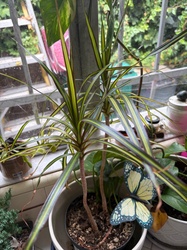
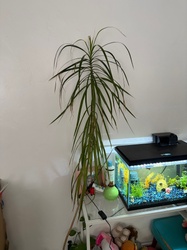
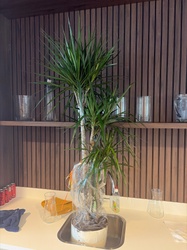
Recent Dragon Tree specimens identified with Plant Identifier.