
How to Care for Eastern Hemlock
Grow Eastern Hemlock, a graceful shade-tolerant conifer, with consistent moisture, cool roots, and shelter from wind and hot sun.
Read the full Eastern Hemlock encyclopedia entry →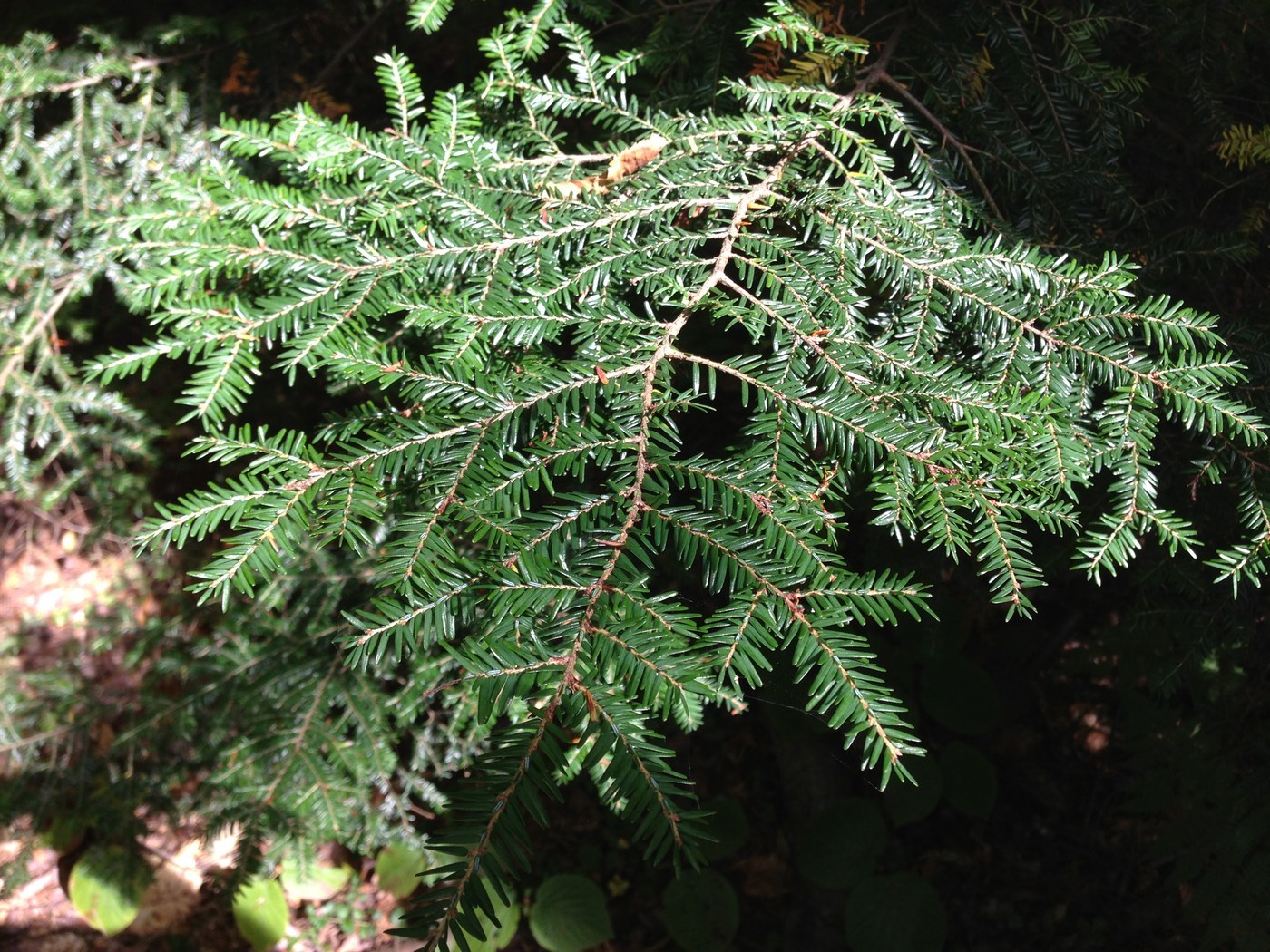
Eastern Hemlock (Tsuga canadensis) is an elegant, fine-textured evergreen conifer prized for its soft, feathery foliage and gracefully drooping leader. It thrives in the cool, moist, shaded conditions of eastern woodlands and makes a superb specimen, screen, or clipped hedge where summers are not too hot.
Light
Unusual among conifers, hemlock is genuinely shade-tolerant and grows best in part shade to shade. It will accept more sun in cool northern climates provided the soil stays moist, but hot afternoon sun scorches the foliage and stresses the tree. In warmer regions site it on a north or east exposure or beneath high canopy.
Water
Hemlock demands moderate to high, consistent moisture and has a shallow, fibrous root system that is very sensitive to drought. Water deeply and regularly, especially in the first several years and during dry spells; never let the root zone bake out. A 2-3 inch organic mulch keeps roots cool and moisture even, but keep it pulled back from the trunk.
Soil & Potting
Provide moist but well-drained, humus-rich, acidic soil in the pH 5.0-6.5 range. Hemlock resents heavy clay that stays waterlogged and equally dislikes dry, compacted, or alkaline ground. Amend planting sites generously with leaf mold or compost to mimic the spongy forest floor it favors.
Humidity & Temperature
A cool-climate species, hemlock is fully hardy and performs best where summers are mild and humid. It struggles with prolonged heat, drying winds, and urban air. Shelter from strong or salty wind, which desiccates the delicate needles and browns the foliage.
Feeding
Established trees in decent woodland soil need little feeding. If growth is weak or foliage pale, apply a slow-release fertilizer formulated for acid-loving evergreens in early spring. Avoid heavy or late-season nitrogen, which pushes soft growth vulnerable to winter injury.
Propagation
Hemlock is grown from seed, which benefits from a period of cold, moist stratification before sowing in a cool, shaded seedbed; germination is slow and uneven. Named cultivars are propagated from semi-hardwood cuttings taken in late autumn or winter under high humidity, or by grafting.
Repotting / Pruning
Hemlock tolerates shearing better than most conifers, making it a classic hedge and screening plant; trim in late spring to early summer to shape. For specimens, remove only dead, damaged, or crossing branches. Because it is slow to recover from hard cuts into old bare wood, prune lightly and often rather than drastically.
Common Problems & Pests
The most serious threat is hemlock woolly adelgid, whose tiny white woolly masses cluster at the base of needles and cause thinning, needle drop, and decline. Elongate hemlock scale, spider mites in hot dry spells, and needle rusts can also occur. Drought stress, sun scorch, and poor drainage are frequent cultural causes of browning; keep trees vigorous with steady moisture and monitor foliage regularly.
Seasonal Care Tips
Plant in early spring or fall while soil is cool and moist. Water deeply through summer dry spells and again before the ground freezes in autumn to reduce winter desiccation. Refresh mulch yearly, inspect for adelgid in late winter and early spring, and avoid road-salt exposure in winter.
Frequently asked questions
Can Eastern Hemlock grow in full shade?
Yes. It is one of the most shade-tolerant conifers and grows well in part shade to shade, though it appreciates some filtered light. Hot, direct afternoon sun is more of a problem than too little light, especially in warm climates.
Why is my hemlock turning brown?
Browning usually stems from drought stress, sun or wind scorch, poor drainage, or hemlock woolly adelgid infestation. Check for white woolly tufts at needle bases, ensure consistent moisture, and shelter the tree from drying wind.
Does Eastern Hemlock make a good hedge?
Yes. It shears well and tolerates repeated clipping, producing a dense, soft-textured evergreen hedge or screen. Trim in late spring to early summer and avoid cutting back into old bare wood, which regrows slowly.
How much water does a hemlock need?
Consistent, moderate-to-high moisture. Its shallow roots dry out fast, so water deeply and regularly during establishment and in summer drought. Mulch keeps the root zone cool and evenly moist.