Eastern Hemlock
Tsuga canadensis
Eastern hemlock is a graceful, shade-tolerant evergreen conifer of cool eastern forests, with soft flat needles and tiny cones; it is threatened across its range by the invasive hemlock woolly adelgid.
- Light
- Part shade to shade
- Water
- Moderate to high; consistent moisture
- Difficulty
- Moderate
Got a plant like this?
Identify any plant from a photo, free.
Overview
Eastern hemlock (Tsuga canadensis) is a long-lived, shade-tolerant evergreen conifer native to cool, moist forests of eastern North America. It has a soft, feathery appearance and a gracefully drooping leading shoot.
It is a foundation species of many forests, casting deep shade that creates cool, moist microclimates important to streams and wildlife.
Sadly, the invasive hemlock woolly adelgid, a tiny sap-feeding insect, has caused widespread decline and death of hemlocks across the eastern U.S.
How to identify it
A graceful, fine-textured evergreen conifer.
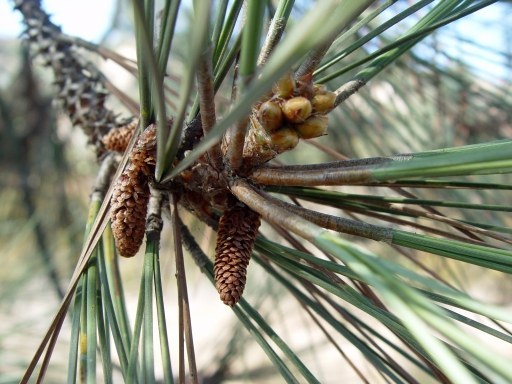
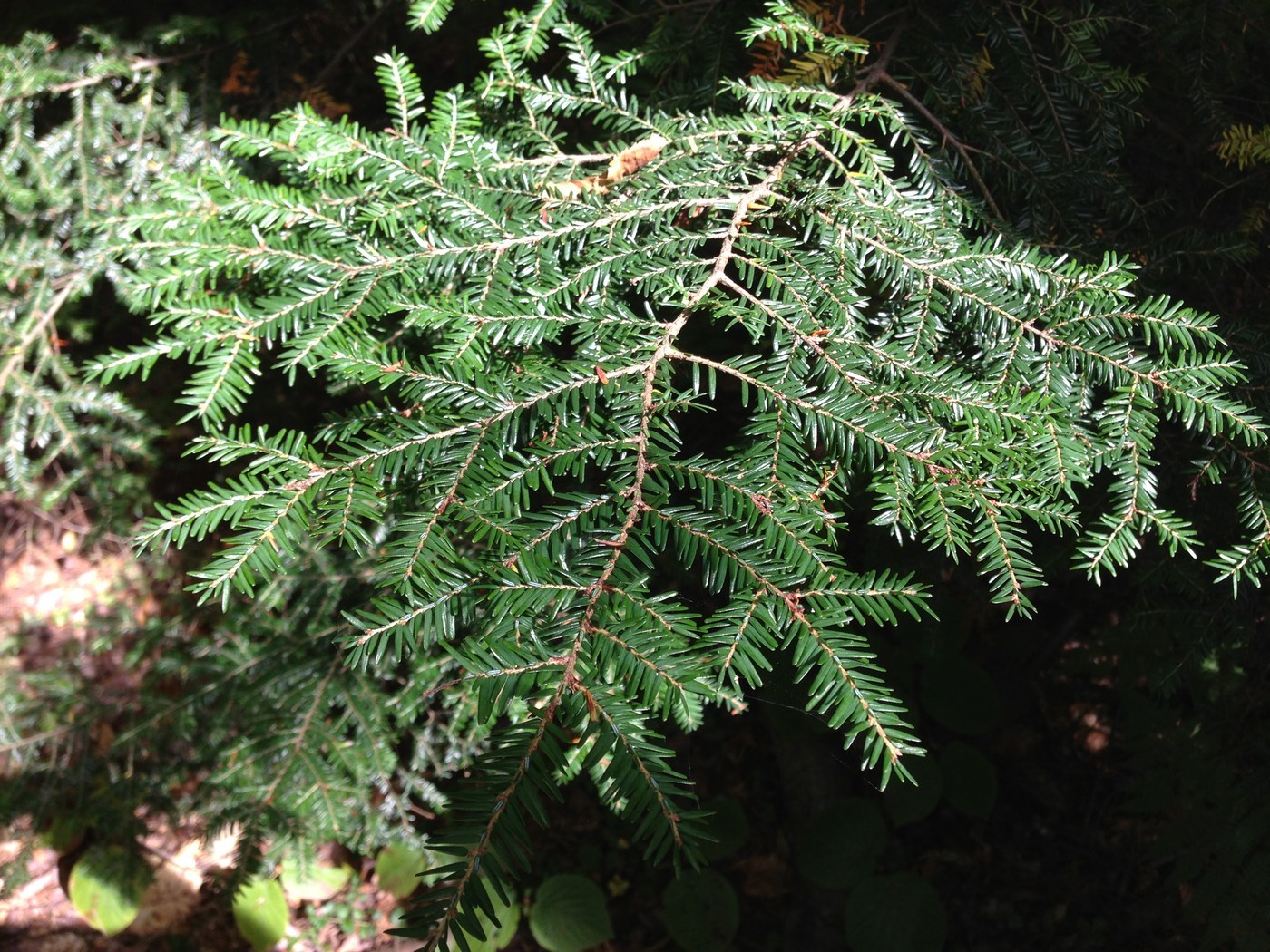
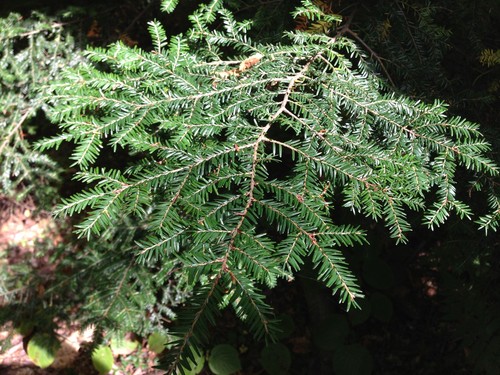
- Needles: short, flat, soft, 1-2 cm, dark green above with two whitish bands beneath; attached by tiny stalks and arranged in flat sprays
- Cones: very small (1.5-2.5 cm), egg-shaped, hanging from the twig tips
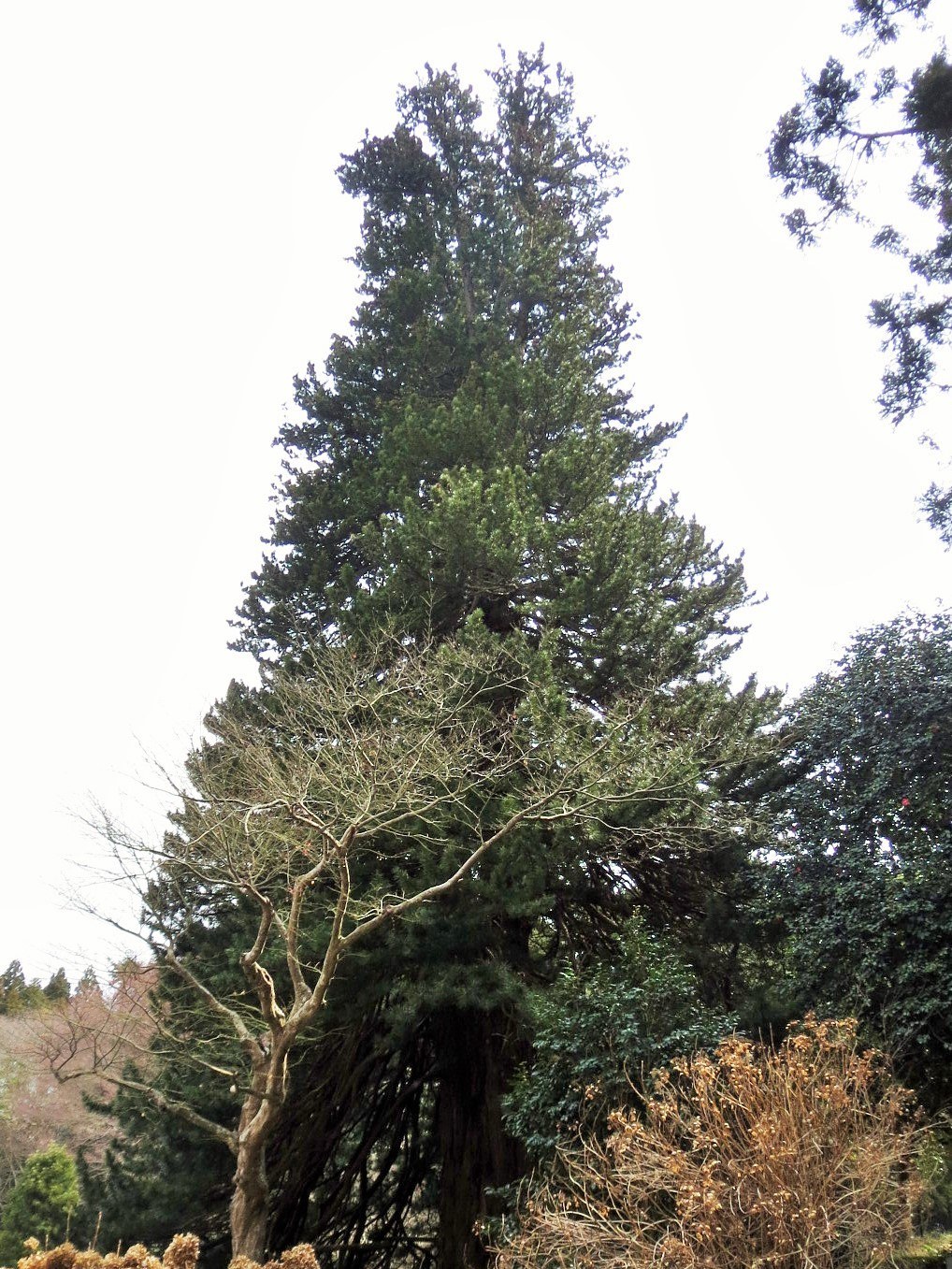
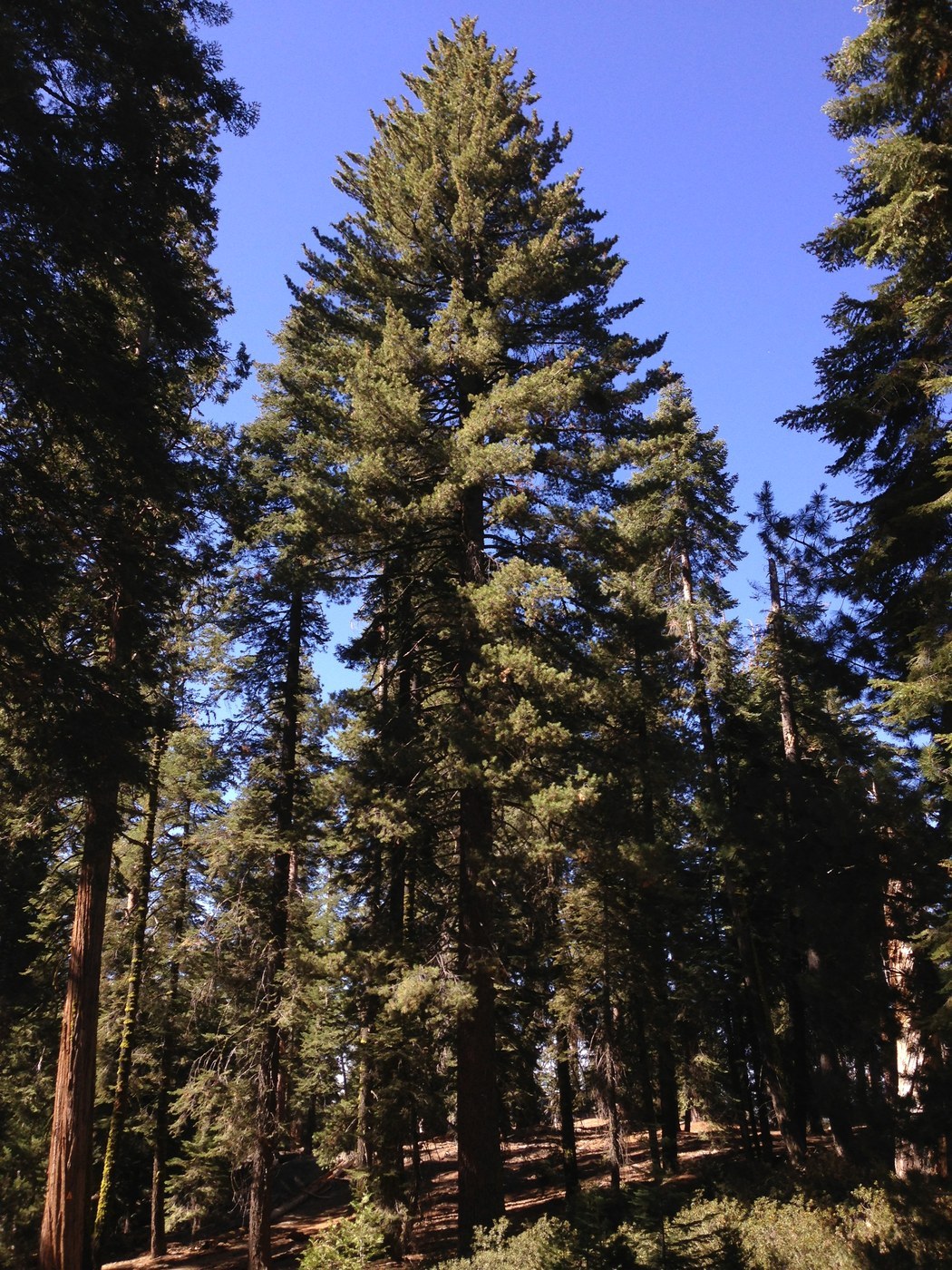
- Habit: pyramidal with feathery, slightly drooping branches and a nodding top shoot
- Bark: cinnamon-brown to gray, deeply furrowed on old trees
- Size: 20-30 m tall
- Look for white woolly tufts on twig undersides — a sign of the destructive adelgid pest
Care & growing
Best in cool, moist, sheltered sites; shade-tolerant.
- Light: partial shade to shade; one of the most shade-tolerant conifers
- Water: needs consistently moist, well-drained soil; intolerant of drought
- Soil: cool, acidic, humus-rich soil
- Temperature: hardy in USDA zones 3-7; dislikes heat and dry wind
- Feeding: rarely needed
- Propagation: from seed; cultivars from cuttings
- Pest alert: monitor for hemlock woolly adelgid; treatment may be needed to keep trees alive in infested regions
Habitat & origin
Native to eastern North America, from Nova Scotia and the Great Lakes south through the Appalachian Mountains to Georgia and Alabama. It grows in cool, moist ravines, north-facing slopes, and stream valleys.
Widely used in landscaping as a specimen, screen, or sheared hedge in cool climates, though the adelgid threat has reduced planting in affected areas.
Frequently asked questions
What is the hemlock woolly adelgid?
It's a tiny invasive insect that feeds on hemlock sap, leaving white woolly tufts on twigs. It has killed vast numbers of eastern hemlocks and is the species' main threat.
Can hemlock grow in shade?
Yes. It is one of the most shade-tolerant of all conifers, naturally growing in the cool understory of moist forests.
Does eastern hemlock make a good hedge?
Yes, it's one of the few conifers that responds well to shearing, making dense, graceful hedges and screens in cool, moist climates.
Eastern Hemlock guides
In-depth guides for identifying, growing, and caring for Eastern Hemlock.
How to Care for Eastern Hemlock
Grow Eastern Hemlock, a graceful shade-tolerant conifer, with consistent moisture, cool roots, and shelter from wind and hot sun.
Eastern Hemlock Identification Guide
Recognize eastern hemlock by its short flat two-ranked needles with white underside bands, tiny cones, and drooping leader.