
How to Care for Eastern Redbud
Growing guide to Cercis canadensis: an easy small ornamental tree with spring pink blooms, for sun to part shade.
Read the full Eastern Redbud encyclopedia entry →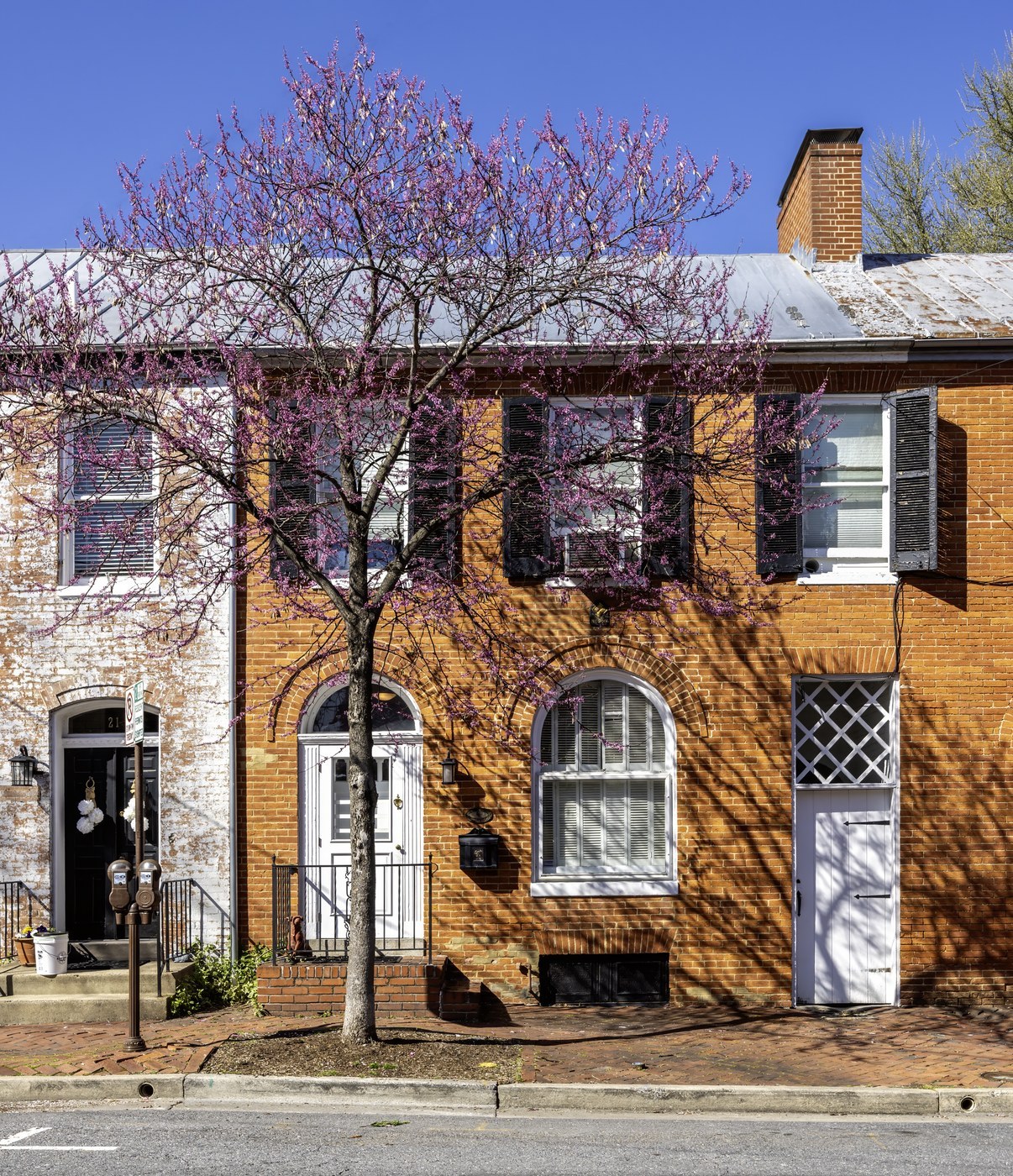
The eastern redbud (Cercis canadensis) is a beloved small deciduous tree famous for the profusion of rosy-pink flowers that clothe its bare branches in early spring, followed by handsome heart-shaped leaves. Adaptable and undemanding, it is an easy, rewarding landscape tree for sun or dappled shade.
Light
Eastern redbud grows well in full sun to part shade. In full sun it develops the densest form and heaviest bloom, while in its native understory setting it thrives in dappled or partial shade beneath taller trees. In hot-summer regions some afternoon shade is beneficial and reduces leaf scorch. Aim for at least a few hours of sun for good flowering.
Water
Redbud prefers moderate, even moisture in well-drained soil. Water young trees regularly through their first two or three seasons to establish a deep root system, keeping the soil moist but never waterlogged. Once established, redbuds are moderately drought tolerant and generally need supplemental water only during extended dry spells. Good drainage is essential, as the tree dislikes soggy, poorly drained sites.
Soil & Potting
This adaptable tree grows in a wide range of soils including clay, loam, and sandy types, provided drainage is adequate. It tolerates a broad pH range from slightly acidic to alkaline. The key requirement is well-drained ground; avoid low spots where water stands. Enrich poor soils with organic matter at planting and mulch the root zone to conserve moisture and moderate soil temperature.
Humidity & Temperature
Eastern redbud is a hardy temperate tree that withstands cold winters and hot summers across a wide swath of climates. It needs the seasonal cycle of a cold dormancy to bloom well and leafs out and flowers as spring warms. Ambient humidity is not a concern. Late spring frosts can occasionally nip open blooms but rarely harm the tree itself.
Feeding
Redbuds are light feeders and often need no fertilizer in decent soil. If growth is weak, apply a balanced, slow-release tree fertilizer in early spring. A yearly topdressing of compost and a maintained mulch layer usually supply ample nutrition. Avoid heavy nitrogen, which promotes soft growth at the expense of flowering and form.
Propagation
Eastern redbud is most reliably grown from seed, though the hard, impermeable seed coat requires scarification and a period of cold stratification to break dormancy before sowing. Nick or abrade the seed coat and give the seeds several weeks of cold, moist chilling to encourage germination. Softwood cuttings are difficult to root, so seed propagation and grafting of named cultivars are the usual methods.
Repotting / Pruning
Prune redbud in late winter or immediately after flowering, since flowers form on old wood and later pruning removes next year's buds. Remove dead, damaged, crossing, or crowded branches and lightly shape the naturally graceful, sometimes multi-stemmed form. Redbuds respond well to formative pruning when young to establish good structure. Container-grown young trees can be repotted in early spring before transplanting to their permanent site.
Common Problems & Pests
The most significant concern is canker, a fungal disease that causes dieback of branches; prune out affected wood promptly and keep the tree vigorous to resist it. Verticillium wilt can also afflict stressed trees. Leaf spots, and occasional pests such as leafhoppers, scale, and caterpillars, are usually minor. Good siting in well-drained soil, adequate but not excessive water, and prompt removal of diseased wood keep redbuds healthy. The wood can be somewhat brittle, so remove weak or narrow-angled branches early.
Seasonal Care Tips
In late winter, complete any structural pruning before the buds swell. Spring brings the signature flush of pink blooms on bare branches, followed by fresh heart-shaped leaves; feed lightly if needed and refresh mulch. Keep young trees watered through summer heat. In autumn the foliage turns yellow before dropping; this is a good time to plant new trees so roots establish before winter dormancy.
Frequently asked questions
When does eastern redbud bloom?
In early spring, before or as the leaves emerge, the bare branches and even the trunk become covered in clusters of rosy-pink flowers. The heart-shaped foliage follows the bloom.
How much sun does an eastern redbud need?
It grows in full sun to part shade. Full sun yields the densest form and heaviest flowering, while some afternoon shade is helpful in hot-summer climates and suits its natural understory habit.
When should I prune my redbud?
Prune in late winter or right after flowering. Redbud blooms on old wood, so pruning later in the season removes the buds that would produce next spring's flowers.
Is eastern redbud hard to grow?
No, it is an easy, adaptable tree. Give it well-drained soil, a sunny to partly shaded spot, and regular water while young, and it needs little further care once established.