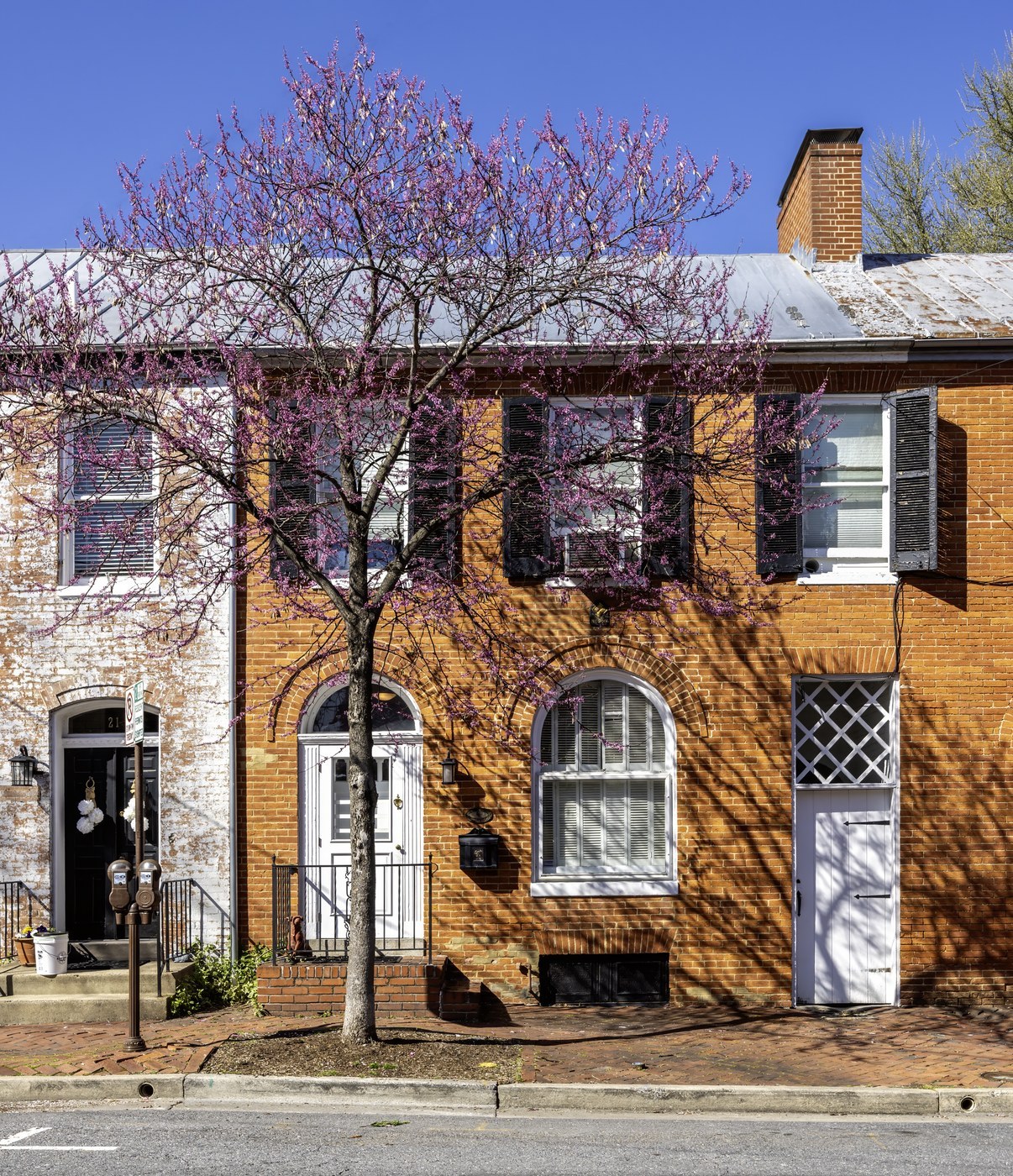
Eastern Redbud
Cercis canadensis
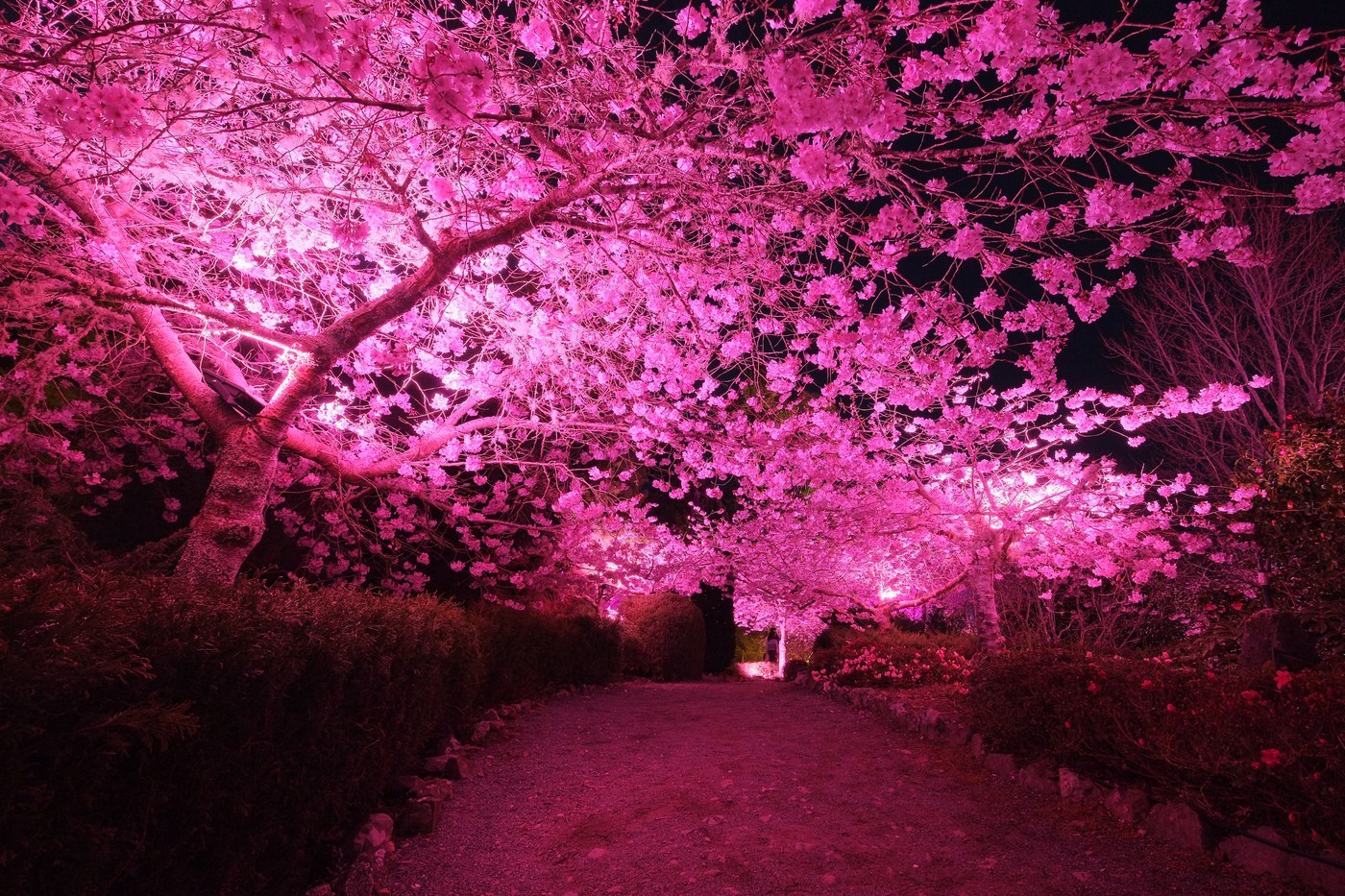
A small understory tree famous for the cloud of pink-purple flowers that bloom directly on its bare branches in early spring. Native to eastern North America.
- Light
- Full sun to part shade
- Water
- Moderate; well-drained soil
- Difficulty
- Easy
Got a plant like this?
Identify any plant from a photo, free.
Overview
Eastern redbud is a small, multi-stemmed deciduous tree celebrated as one of the first heralds of spring, when rosy-pink flowers emerge directly along the twigs, branches and even the trunk before the leaves appear.
Following bloom, large heart-shaped leaves unfurl, often bronze-tinted before maturing to green. Compact size and graceful, spreading form make it a favorite for small gardens and woodland edges.
It belongs to the legume family.
How to identify it
- Flowers: clusters of small pea-like pink to magenta blossoms borne directly on bare wood (cauliflory) in early spring
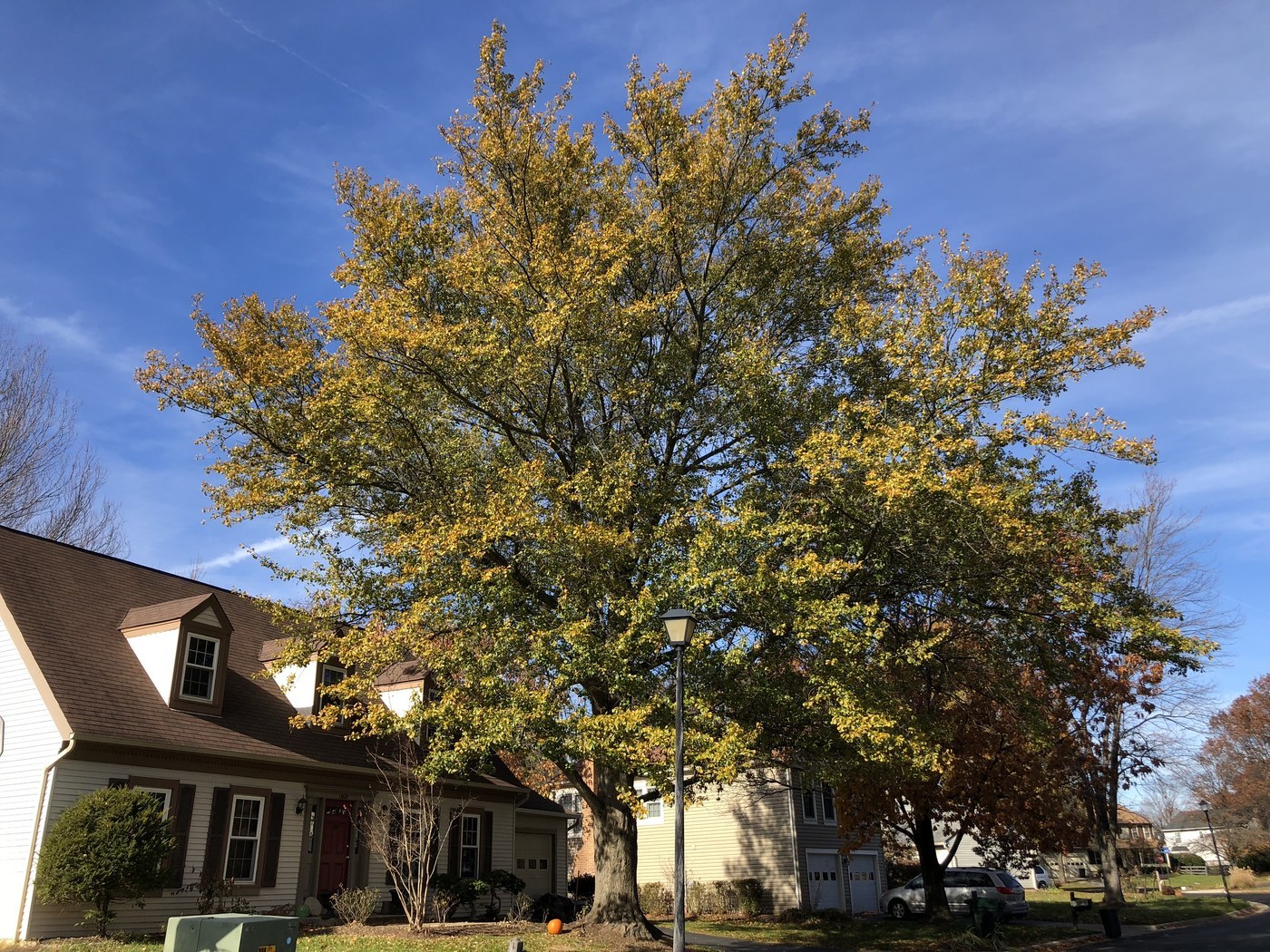
- Leaves: alternate, simple, distinctly heart-shaped (cordate), 3-5 in, turning yellow in fall
- Fruit: flat, bean-like seed pods 2-4 in long that persist into winter
- Size: 20-30 ft tall with a 25-35 ft spread
- Habit: low-branching, often multi-trunked with a flat-topped, spreading crown
Care & growing
- Light: full sun to partial shade; naturally an understory species
- Water: moderate and even moisture; well-drained soil is important
- Soil: adaptable to a range of pH but dislikes constantly wet feet
- Temperature: hardy in USDA zones 4-9
- Feeding: light spring feeding if growth is poor; usually not required
- Propagation: from seed (needs scarification and cold stratification); cultivars are grafted
Habitat & origin
Native to eastern and central North America, from southern Ontario and the eastern U.S. west to Texas and parts of northern Mexico.
It grows naturally as an understory tree at forest edges, along streams and in open woodlands. Widely planted in gardens and parks across temperate regions for its spring display.
Frequently asked questions
Why are the flowers growing right out of the trunk?
This is called cauliflory, a normal trait of redbuds in which flower buds form on old wood including the main branches and trunk.
How big does an eastern redbud get?
It is a small tree, typically 20-30 feet tall with a similar or slightly wider spread.
Does redbud need full sun?
It blooms best in full sun but is naturally an understory tree and tolerates partial shade well.
Eastern Redbud guides
In-depth guides for identifying, growing, and caring for Eastern Redbud.
How to Care for Eastern Redbud
Growing guide to Cercis canadensis: an easy small ornamental tree with spring pink blooms, for sun to part shade.
Eastern Redbud Identification Guide
How to identify eastern redbud (Cercis canadensis) by its heart-shaped leaves and pink-purple flowers that bloom directly on the branches.